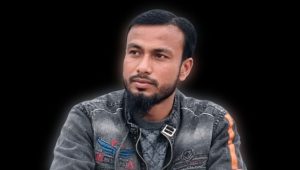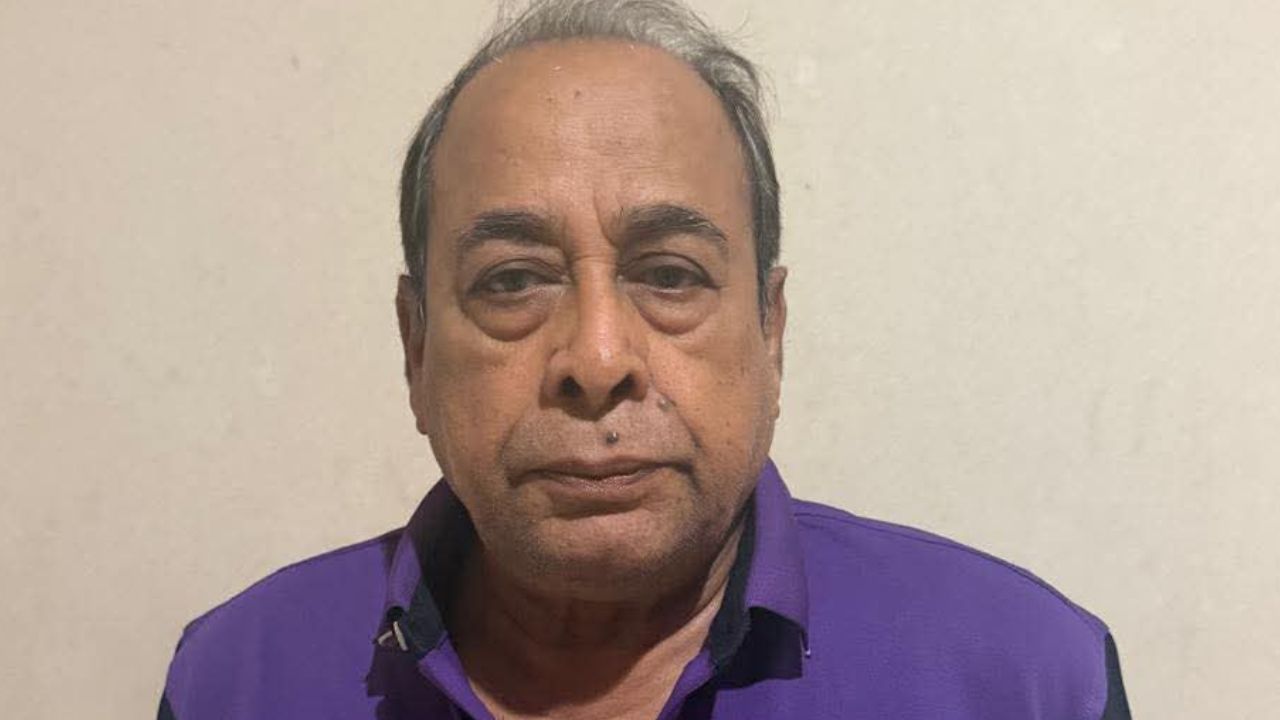

Amid the storm surrounding the arrest of fugitive Major Mozaffar Hossain after 45 years on the run, TIMES of Bangladesh has confirmed that he was in state custody during the military-backed 1/11 caretaker government but managed to slip through the net.
Accused of involvement in the 1981 assassination of President Ziaur Rahman, the fugitive was secretly detained at Dhaka airport nearly twenty years ago, but managed to walk free after misleading officers with a Canadian passport.
A former Rapid Action Battalion (RAB) officer revealed to TIMES that Mozaffar was detained at Dhaka airport in 2007 concealing his military background, presenting himself instead as a Canadian citizen and businessman.
During his detention, Mozaffar showed officers his back, which bore no visible bullet scars, contrary to reports that he had been wounded in a shootout.
The government at the time attached little importance to the matter, leading to his release, the officer told TIMES.
When contacted for comment, Major Mahmud of RAB’s Legal and Media Wing said, “I do not know anything about the matter.”

Mozaffar is alleged to have helped transport and secretly bury President Zia’s body in the Rangunia hills after he was assassinated at Chattogram Circuit House in 1981.
Although reportedly wounded in police firing, Mozaffar managed to escape the country.
In a 1997 interview with the Probe Magazine, he disclosed that he fled to India via Tripura, stayed in various locations, and travelled through Thailand before ultimately settling in Canada, where he obtained political asylum and citizenship.
Using his Canadian passport, Mozaffar began travelling back to Bangladesh in the 1990s, secure enough to conduct business with the government during the Awami League’s tenure.




Following the party’s return to power in 1996, he secured a contract supplying labourers for the Jamuna Bridge construction project.
However, when news of his return spread, Jatiyatabadi Chhatra Dal activists reportedly attacked his house in Sirajganj.
In his 1997 interview, Mozaffar detailed the planning and aftermath of the assassination, claiming Colonel Matiur Rahman ordered him to dispose of the bodies in a deep forest following the early-morning killing on 30 May 1981.
He transported the bodies of Zia and two military officers by jeep to a remote area in Rangunia. Using two date palm trees as landmarks, he brought a local imam to the site, falsely claiming the men were army officers killed by the Shanti Bahini insurgent group.
Before the secret burial, funeral prayers were held for the deceased, Mozaffar noted.
After burying the three bodies, Mozaffar was shot in the back when police opened fire, but he managed to flee the country.
The mutiny was ultimately suppressed after divisions emerged among the plotters, and their leader, Major General Abul Manzur, GOC of 24th Infantry Division, fled. Manzur later surrendered but was killed in custody.
Thirteen officers were subsequently executed, and five others penalised under military law, while rewards were announced for the capture of two fugitives – Major Mozaffar Hossain and Major SM Khaled.
It remains unclear when Mozaffar first returned to Bangladesh, but after the Awami League took power in 1996, he used Mystic Is Trading Corporation, owned by an individual named Shafiqur, to supply workforce for the Jamuna Bridge project. The company is now defunct. Despite narrowly escaping exposure in 2007, Mozaffar continued travelling to Bangladesh after the Awami League-led Grand Alliance’s landslide electoral victory in December 2008.
TIMES has confirmed Mozaffar returned before the July 2024 uprising and remained in the country, reportedly believing he was safe from recognition.
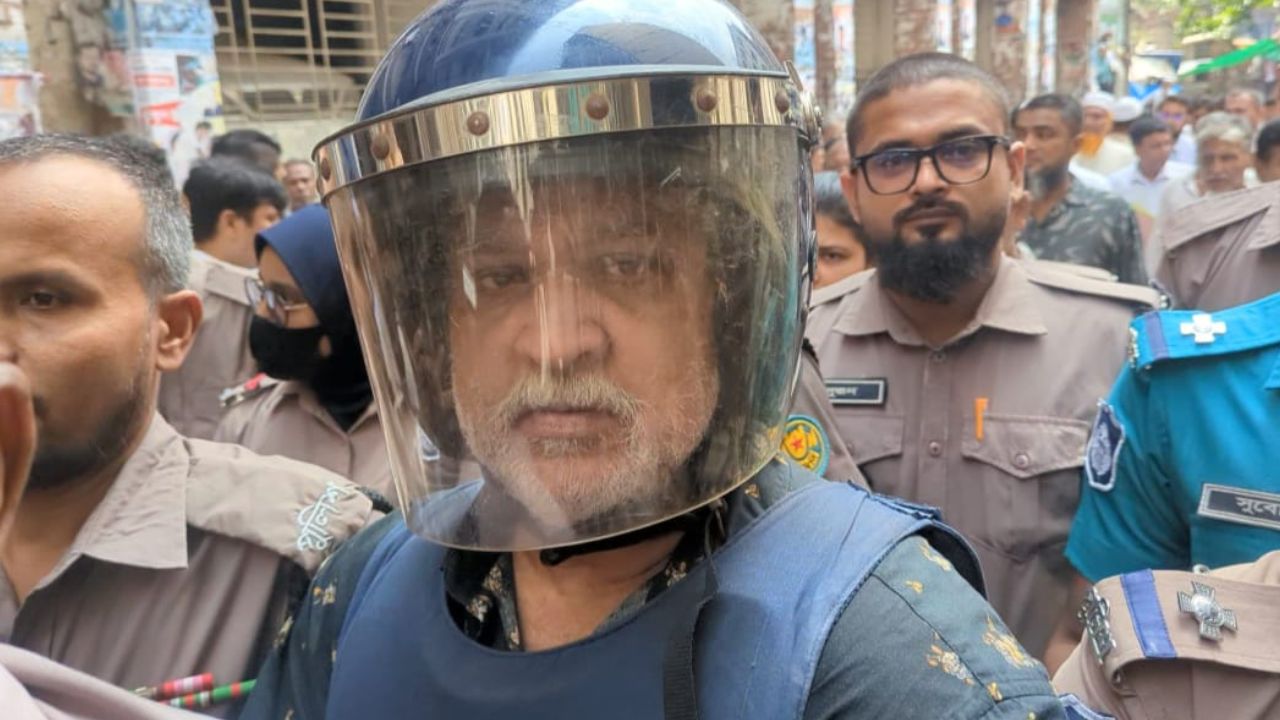
However, the Dhaka Metropolitan Police (DMP) confirmed that detectives arrested Mozaffar at a house in Banani.
Following interrogation to verify his identity, the matter was escalated to the Armed Forces Division, and he was handed over to a Military Police team at Dhaka Cantonment.
The DMP described him as a “fugitive accused” in President Ziaur Rahman’s assassination, though their official statement did not specify the exact judicial process he would face. Nevertheless, military sources indicate he must face a court-martial for absconding from the army.
While the Bangladesh Army has not released an official statement, Inter-Services Public Relations Directorate Director Lieutenant Colonel Sami-Ud-Dowla Chowdhury on Thursday said, “He had been a fugitive for a long time. He has been arrested [and] will be tried under military law.”
Confirming the approach, Home Minister Salahuddin Ahmed said on Friday, “He has been taken into military custody so that he can be tried under the same legal framework under which others involved were prosecuted. The Army is handling the matter.”