The interim government led by Muhammad Yunus assumed office 18 months ago amid mounting economic stress, inherited structural weaknesses and a fragile political environment.
Economist Zahid Hussain, former lead economist at World Bank Dhaka Office, said the administration succeeded in stabilising the macroeconomy by halting the depreciation of the Taka, resuming foreign payments and rebuilding reserves.
The exchange rate, once projected to reach Tk150 in June 2024, was contained within Tk118 to Tk122 under Bangladesh Bank Governor Ahsan H Mansur, supported by stronger formal remittance inflows and an initial export recovery.
Foreign exchange reserves under the BPM6 method are now approaching $30 billion, up by roughly $10 billion since September 2024.
Zahid Hussain said the interim government’s two major achievements were macroeconomic stabilisation and ensuring a peaceful political transition under its mandate, though he questioned why law and order did not improve decisively.

Inflation control, weak private investment and poor job creation, however, remained unresolved, he said.
Policy Exchange Bangladesh Chairman and CEO M Masrur Reaz said inflation in the country is still above 8 percent while regional peers have seen declines, reflecting structural weaknesses.
He said prolonged high interest rates to curb inflation deprived businesses of low-cost finance and weakened enterprises’ ability to sustain or create jobs.
Bangladesh Knitwear Manufacturers and Exporters Association President Mohammad Hatem said 2024 to 2025 was the worst year in his 38-year business career, citing insecurity and policy reversals that undermined exporters’ competitiveness during global trade uncertainty.

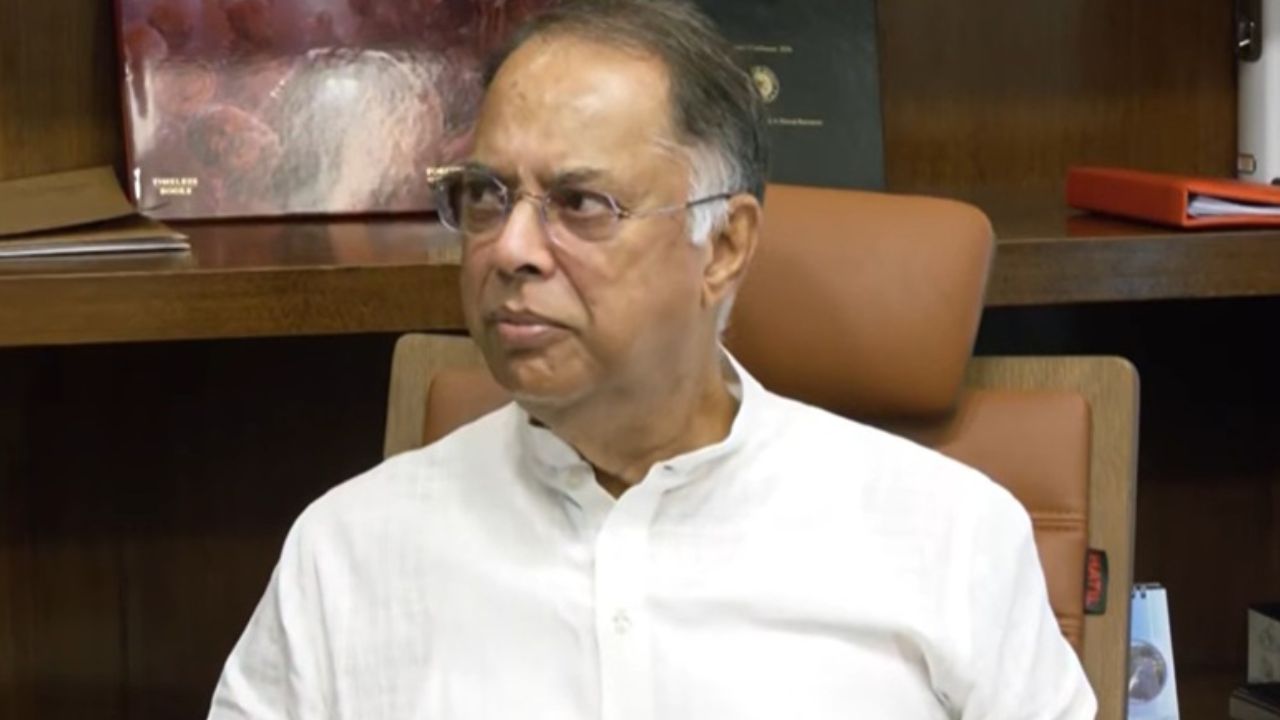


He criticised labour law reforms pursued to meet external expectations, arguing they overlooked the survival challenges of domestic industries.
Homegrown entrepreneurs accused the interim administration of failing to restore law and order, entering non-transparent foreign arrangements and applying uneven enforcement of laws.
Bangladesh Cement Manufacturers Association and LPG Operators Association of Bangladesh President Mohammed Amirul Haque said conflicts of interest and bureaucratic inefficiencies undermined performance over the 18 months.
He said LPG operators’ requests to increase imports amid supply concerns were rejected, only for shortages to more than double retail prices in January.
Bangladesh Auto Industries Managing Director Meer Masud Kabir said his company invested around Tk1500 crore in Mirersharai Economic Zone to manufacture electric vehicles after verbal encouragement from National Board of Revenue officials.
He said the supporting duty structure and utility connections were delayed, forcing the company to defer production and incur more than Tk150 crore in interest expenses without revenue.
Humayun Rashid, former president of the International Business Forum of Bangladesh, said proposals to more than double public sector salaries despite performance concerns reflected misplaced priorities.
Bangladesh Maritime Law Society President Mohiuddin Abdul Kadir said expectations of youth employment, non-discrimination and rule of law following the mass uprising were not met.
He said the withdrawal of cases against the chief adviser, tax waivers and licensing decisions drew criticism instead of strengthening institutional credibility.
Also, accelerated government borrowing and project approval before leaving office were criticised, while the private sector credit growth dropped to a record low of less than 7 percent.
The interim administration leaves behind a stabilised macro framework but unresolved structural weaknesses, persistent inflation and fragile investor confidence, according to business leaders.
Echoing most of them, economist Zahid Hussain, however, praised the interim government for holding the peaceful election and referendum as per the mandate.