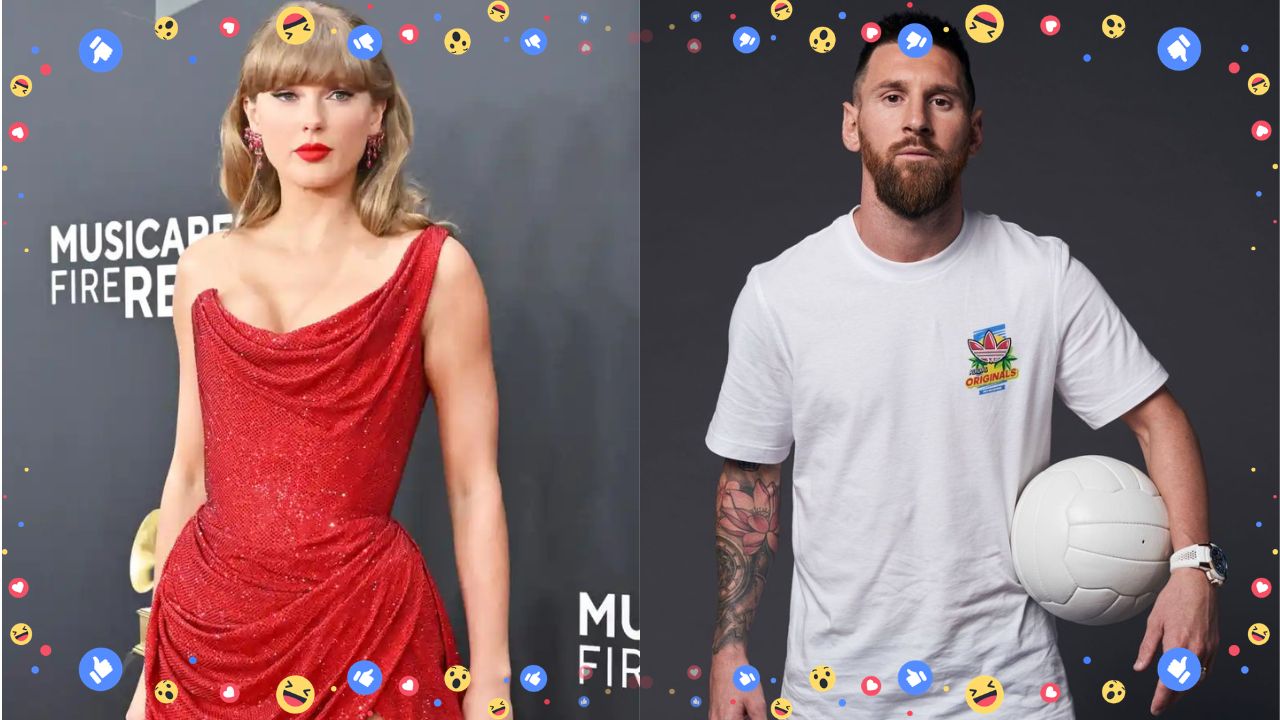



A single emoji can spark millions of reactions before a single word is written.
A Purple Heart instantly reminds BTS fans of ARMY. A Snake sends Taylor Swift fans searching for hidden clues. A Trophy and an Argentine Flag evoke Lionel Messi’s greatest triumphs. Once created simply to express emotions, emojis have become one of the most recognisable languages in global entertainment and sport.
That evolution takes centre stage every 17 July, celebrated as World Emoji Day. Chosen because the date appears on Apple’s Calendar emoji, the occasion has grown into an annual celebration of the tiny digital symbols that now shape celebrity branding, fan culture and online conversations across the world.
For celebrities, emojis are no longer decorative additions to social media captions. They have become part of their public identity.

Perhaps no fandom illustrates this better than BTS. The group’s global fan community, ARMY, transformed the Purple Heart emoji into an internationally recognised symbol after member V (Kim Taehyung) coined the phrase “I purple you” during a fan event in 2016. Since then, fans have used the Purple Heart to express love, trust and unity, turning it into one of the world’s most recognisable fandom symbols.
Taylor Swift has taken emoji culture in a different direction, using it as a storytelling tool. Rather than revealing everything directly, the pop superstar frequently drops cryptic clues through emojis and visual references. During the Reputation era, the Snake emoji became her defining symbol after she reclaimed it following online criticism.

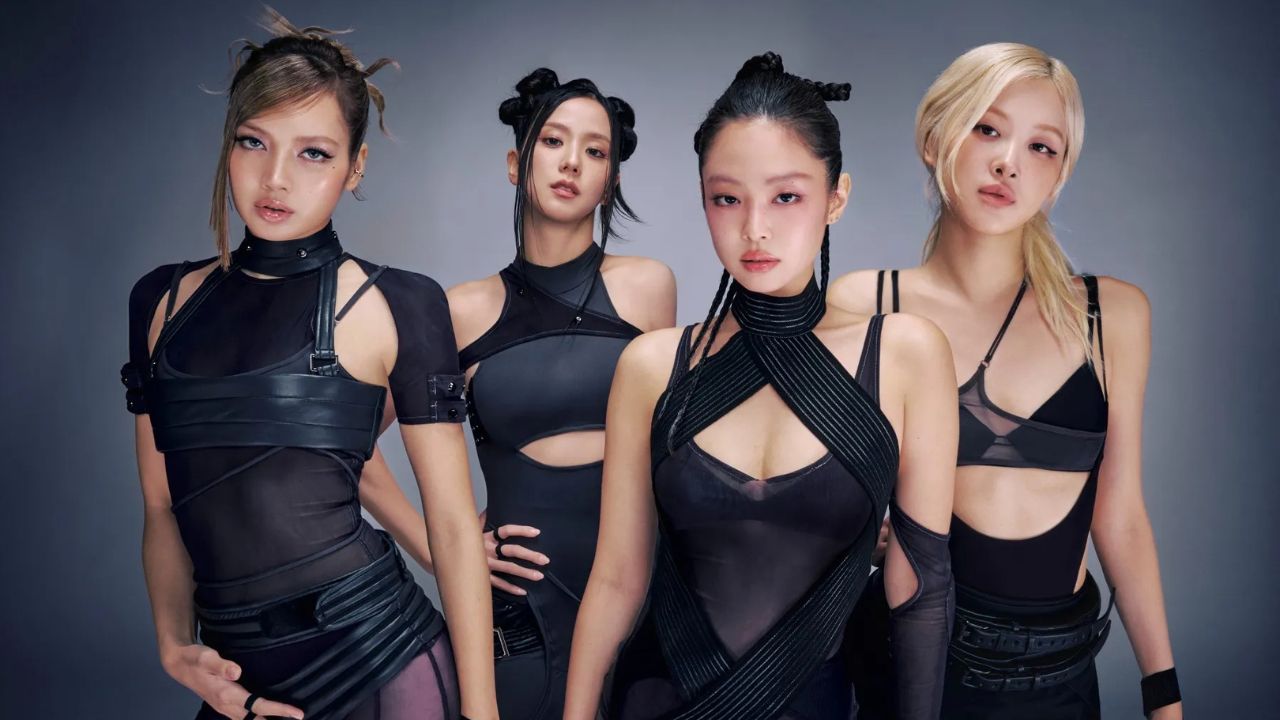

Fans also associate the Scarf emoji with Red, while the Purple Heart represents Speak Now and the Crescent Moon points to Midnights. Swifties now spend days decoding emoji combinations before official announcements appear.
Music, however, is only part of the story.
Football icons Cristiano Ronaldo and Lionel Messi also communicate with hundreds of millions of followers through simple but instantly recognisable emoji combinations.
Ronaldo frequently uses the Football, Flexed Biceps, Red Heart and Folded Hands emojis to celebrate goals, thank supporters and share family moments. Messi’s Trophy, Argentine Flag and Red Heart emojis became global symbols after Argentina’s 2022 FIFA World Cup victory and have returned as fans celebrate the team’s run to the FIFA World Cup 2026 final.
The trend extends far beyond music and sport. Kim Kardashian turned emojis into a business with the launch of Kimoji, while Dwayne “The Rock” Johnson, Ryan Reynolds, Dua Lipa, Selena Gomez and Lady Gaga all use recurring emojis to strengthen their online identities.
Hollywood has embraced the language too. Film studios increasingly tease releases through emoji-only posters and cryptic social media posts. A Spider emoji instantly signals Spider-Man, a Bat points to Batman, while the Sparkling Heart has become closely associated with Barbie.
For fans, emojis have become badges of identity. A single symbol can instantly reveal a favourite artist, sports team or fictional universe, connecting millions of people across languages and cultures.
On World Emoji Day, these tiny digital icons represent far more than colourful additions to a message. They have become a universal language of fandom, storytelling and identity, proving that sometimes a single emoji can say more than an entire sentence.