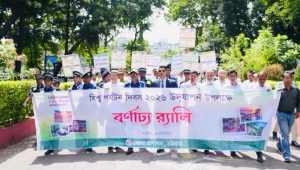
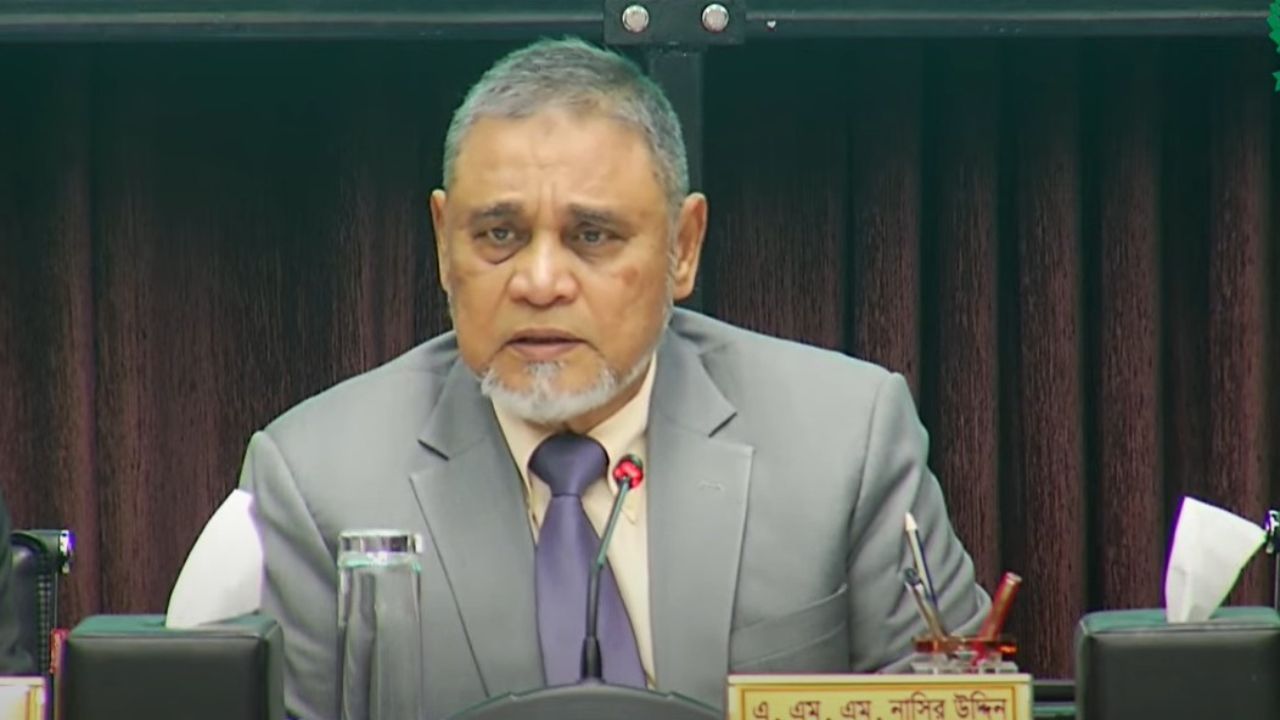
A day before International Workers’ Day, the Human Rights Support Society (HRSS) on Thursday painted a grim picture of labour rights in Bangladesh, revealing that over 120 workers were killed and nearly 1,600 injured in workplace-related incidents over the last 15 months.
At a discussion at the National Press Club, rights activists, labour leaders and HRSS officials said that despite the existence of labour laws, a lack of proper enforcement continues to deprive workers of fair wages, workplace safety and social security – particularly those in the informal sector and low-income groups.
According to data presented by HRSS, 96 workers were killed, 1,021 injured and 168 died from work-related illnesses in 260 incidents throughout 2025. In just the first three months of 2026, another 30 workers were killed and 573 injured in 139 incidents.
“The Rana Plaza disaster remains a painful reminder – development never truly happens without worker safety,” said HRSS Executive Director Izazul Islam, who presented the findings.

Speakers at the meeting stressed that workers’ rights are fundamental human rights, recognised by the constitution and international frameworks.
“Workers in Bangladesh are still deprived of fair wages, a safe work environment and social security. Despite having labour laws, the lack of proper implementation keeps workers from receiving their due protection,” said President of Nagorik Oikya Mahmudur Rahman Manna.




Former National Human Rights Commission member Md Noor Khan called for stronger state accountability, adding, “It is the state’s responsibility to ensure these rights. Sustainable development is impossible without ensuring workers’ dignity.”
The HRSS put forward several recommendations, including strict enforcement of labour laws, establishment of a wage board that considers inflation, reform of labour courts for speedy trials, and separate protection policies for domestic workers, agricultural workers, transport workers, and tea plantation workers.
Speakers also demanded protection for expatriate workers, including embassy accountability and low-cost legal aid, and mandatory anti-harassment committees for women workers.
Employers were urged to view workers as assets rather than expenses, ensure timely wages and bonuses, and create safe workplaces with fire safety, building codes and emergency training.
The meeting concluded with a call for tripartite dialogue among the government, employers and worker organisations to find lasting solutions.
“Workers keep the wheels of development turning. Without ensuring their rights, safety and dignity, development will remain incomplete. This May Day, let our pledge be that workers’ sweat becomes a symbol of honour, not exploitation,” the HRSS said in its closing statement.