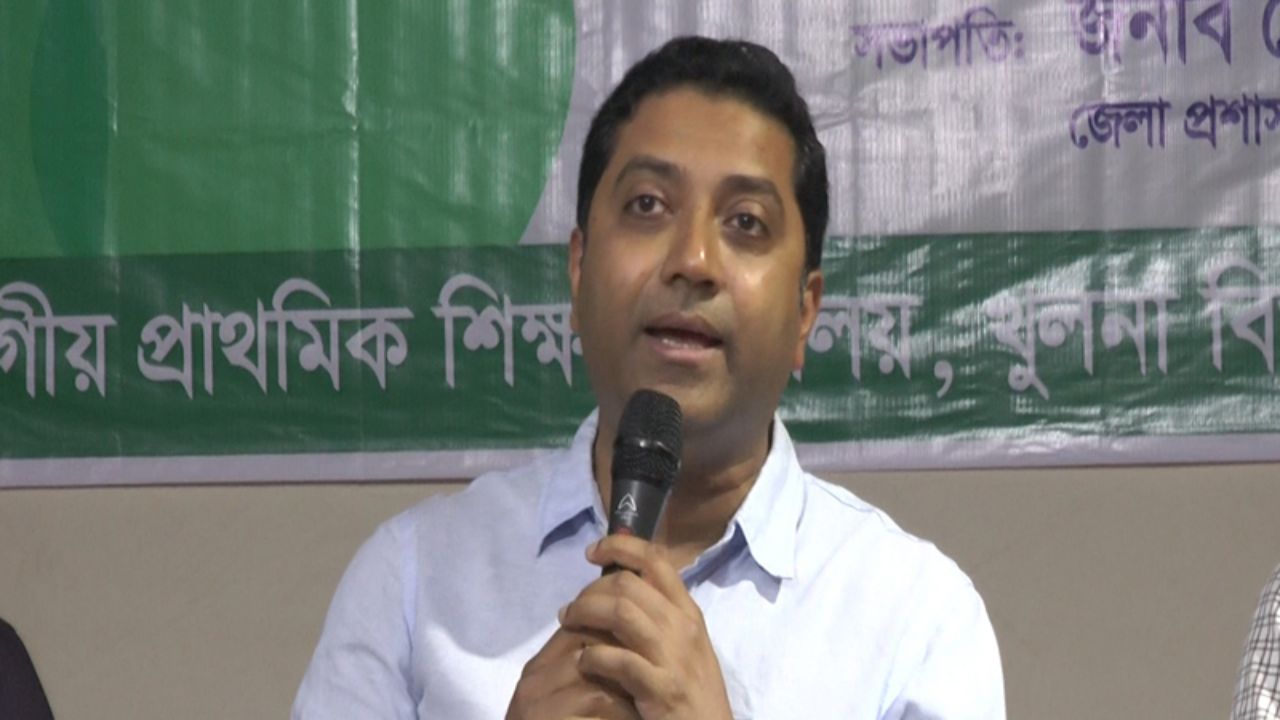
Bangladesh Jamaat-e-Islami Ameer Shafiqur Rahman, has stated that it is “not possible” for a woman to ever ascend to the top leadership of the party, citing biological differences and divinely ordained roles.
In a candid interview with Al Jazeera’s Sreenivasan Jain, the head of the country’s largest Islamist organisation addressed the party’s resurgence following the August 2024 overthrow of former prime minister Sheikh Hasina, while defending the Jamaat’s decision not to field a single woman candidate in the upcoming parliamentary elections.
Despite Bangladesh being governed by female prime ministers for the majority of the last three decades, Shafiqur maintained that women’s leadership in his organisation remains unfeasible.
Biological ‘limitations’ and the exclusion of women
When questioned on whether a woman could one day succeed him as the head of Jamaat-e-Islami, Shafiqur remarked that such a transition is impossible because “Allah made everyone in its own entity” and humans cannot change what has been divinely ordained.
He pointed to “physical inconveniences” and the unique role of mothers in childbearing and breastfeeding as reasons why women cannot perform certain leadership duties.
Shafiqur argued that while a mother is giving birth or caring for a child, it is “never” possible for her to perform the required duties of the Amir, asserting that “Allah knows everything best.”

Regarding the current lack of female candidates for parliament, Shafiqur claimed the party is still “preparing” for such a move and attributed the absence of women to the “cultural entity” of Bangladesh.
He noted that Jamaat women have previously contested and succeeded in local government elections, but argued that other major political parties also lack “substantial numbers” of female representatives at the national level.
Shafiqur insisted that the party is not being “disrespectful” to women but is following a trajectory dictated by its principles.
Islamic law and the ‘justice’ of reduced working hours
Responding to previous comments made by the party’s vice president, Mujibur Rahman, regarding the exclusive implementation of Islamic law in parliament, the Amir stated that parliament would ultimately decide if such laws are essential for the “betterment of the country.”


He clarified that the party promotes values recognised by Islam, such as anti-corruption, transparency, and human rights, which he argued are already part of the country’s aspirations. Shafiqur emphasised that the party would not act against the “will of the people.”
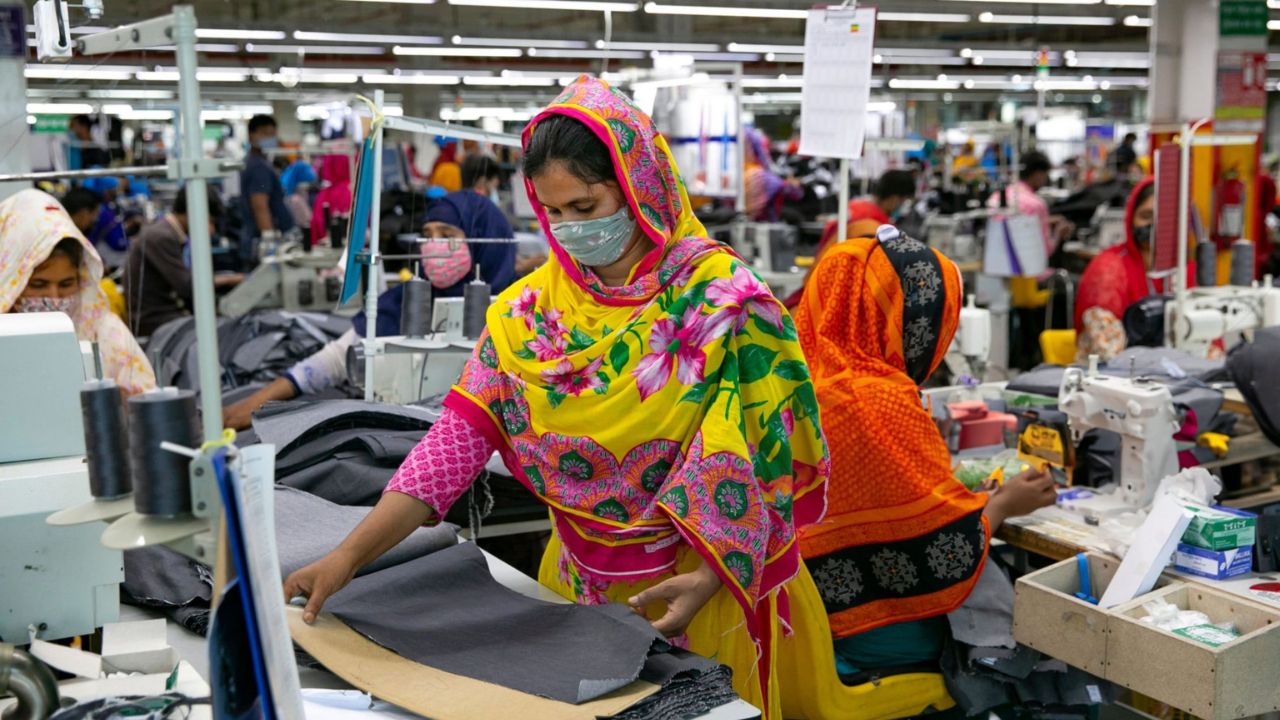
Shafiqur also defended a controversial proposal to reduce working hours for women, specifically for those who are lactating or caring for children.
He argued that requiring a mother to work the same eight-hour day as a man during these periods is “not a justice” and that the proposal aims to show “honour” and “respect” rather than restricting their independence.
He dismissed street protests against the proposal as being led by a “negligible section” of society whose ideology contradicts the party’s values. He further claimed that garment workers he had visited felt “comfort” at the prospect of being able to return to their jobs after a two-year hiatus for childcare.
Denials of 1971 atrocities and minority attacks
The Amir addressed the “dark legacy” of the 1971 War of Independence, describing the Jamaat’s alliance with Pakistan as a “political decision” intended to prevent “Indian hegemony” over Bangladesh.
While he admitted to seeking “unconditional forgiveness” for any “faults” committed by individuals in the party since 1947, he explicitly denied that the Jamaat was involved in atrocities or war crimes.
He labelled such accusations as “propaganda” and “garbage,” and described the International Crimes Tribunal’s death sentences against former leaders as a “miscarriage of justice” that was “politically motivated.”
Shafiqur similarly rejected international reports from the United Nations and Human Rights Watch regarding the involvement of Jamaat supporters in attacks against Hindu and indigenous minorities.
He challenged the validity of these reports, claiming that no single case had been proved in court and that his party members were not engaged in such “nonsense.”
He argued that the party has been unfairly blamed for violence conducted by others during the 15-year rule of the Awami League.
Student wing rhetoric and foreign relations
Addressing recent threats by leaders of Islamic Chhatra Shibir – the party’s student wing – to “crush” cultural institutions and shut down major newspapers like Prothom Alo and The Daily Star, Shafiqur distanced the main party from these statements.
He asserted that Shibir is not a “legal part” of the Jamaat umbrella and that the party could only offer “opinion and suggestion” rather than direct punishment for such rhetoric.
He stated that while the party “condemned” the rhetoric, they believe in correcting individuals rather than “shedding” them from the movement.
On the subject of foreign policy, Shafiqur expressed a desire for “fruitful dialogue” with India despite current tensions regarding the potential extradition of Sheikh Hasina.
He denied any specific inclination towards Pakistan, stating that the party is “pro-Bangladeshi” and committed to maintaining “just relations” with all nations based on “mutual respect and trust.”
He concluded by pointing to recent student union elections as evidence that the youth, including “sensible” girls and boys, are turning towards the Jamaat to protect their “prestige, dignity, and privacy.”