A sudden, sharp pain across the forehead after eating ice cream or drinking something very cold is a familiar experience for many people.
Commonly known as “brain freeze” or an “ice-cream headache”, this brief but intense sensation is a type of cold-stimulus headache. Despite its dramatic name, it is harmless and usually disappears within seconds or, at most, a couple of minutes.
Brain freeze occurs when something very cold encounters the roof of the mouth or the back of the throat. The rapid temperature change causes blood vessels in the area to constrict and then widen quickly.

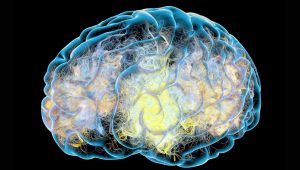
This sudden reaction triggers pain signals through the trigeminal nerve, which carries sensory information from the face to the brain. The brain may then misinterpret the source of the pain, causing it to be felt in the forehead rather than inside the mouth.
Not everyone experiences brain freeze, however. Studies suggest that some people are more susceptible than others, and there may be a genetic component involved.




A history of migraine may also increase the likelihood of experiencing brain freeze. People who suffer from migraines often have more sensitive nerve pathways and stronger responses to sensory triggers, including sudden changes in temperature.
Age and eating habits may play a role as well. Younger people tend to experience brain freeze more frequently, possibly because of differences in nerve sensitivity or behaviour, such as consuming cold foods and drinks more quickly.
The good news is that brain freeze is easy to avoid. Eating ice cream slowly, taking smaller bites and sipping cold drinks rather than gulping them can help prevent the rapid temperature changes that trigger the headache.
If brain freeze does occur, the discomfort usually fades quickly on its own. Pressing your tongue against the roof of your mouth can help warm the area, while drinking room-temperature water may provide additional relief. Taking a short pause and breathing slowly through your nose can also help the pain pass more quickly.