There comes a moment each June when the skies over Dhaka turn into the colour of old pewter and the first real rain of the season arrives not as a drizzle but as a declaration. After months of relentless heat, the monsoon is welcomed like an old friend. Then the streets flood, rickshaw fares soar and everyone complains. Yet almost immediately, people begin planning a meal of khichuri.
Bangladesh is a country shaped by water. Its rivers, haors and vast skies feel transformed by the rains. The monsoon does not merely decorate the landscape. It brings it back to life.
The city, however, is rarely the best place to experience it. To see the monsoon at its finest, you must leave the concrete behind.
The underwater forest

In northeastern Bangladesh lies the Ratargul Swamp Forest, one of the country’s few freshwater swamp forests. For much of the year it appears unremarkable. Then the monsoon arrives and runoff from the Assam hills floods the area, submerging much of the forest.

Visitors glide through the water in narrow wooden boats beneath a canopy of trees. Sunlight filters through the leaves, birds call from hidden branches and monkeys move overhead. The appeal of Ratargul lies not in dramatic viewpoints but in its quiet, immersive beauty.
Sylhet city serves as the gateway. From there, Gowainghat is accessible by CNG or local bus, while boats can be hired near the forest.
Open skies, open water




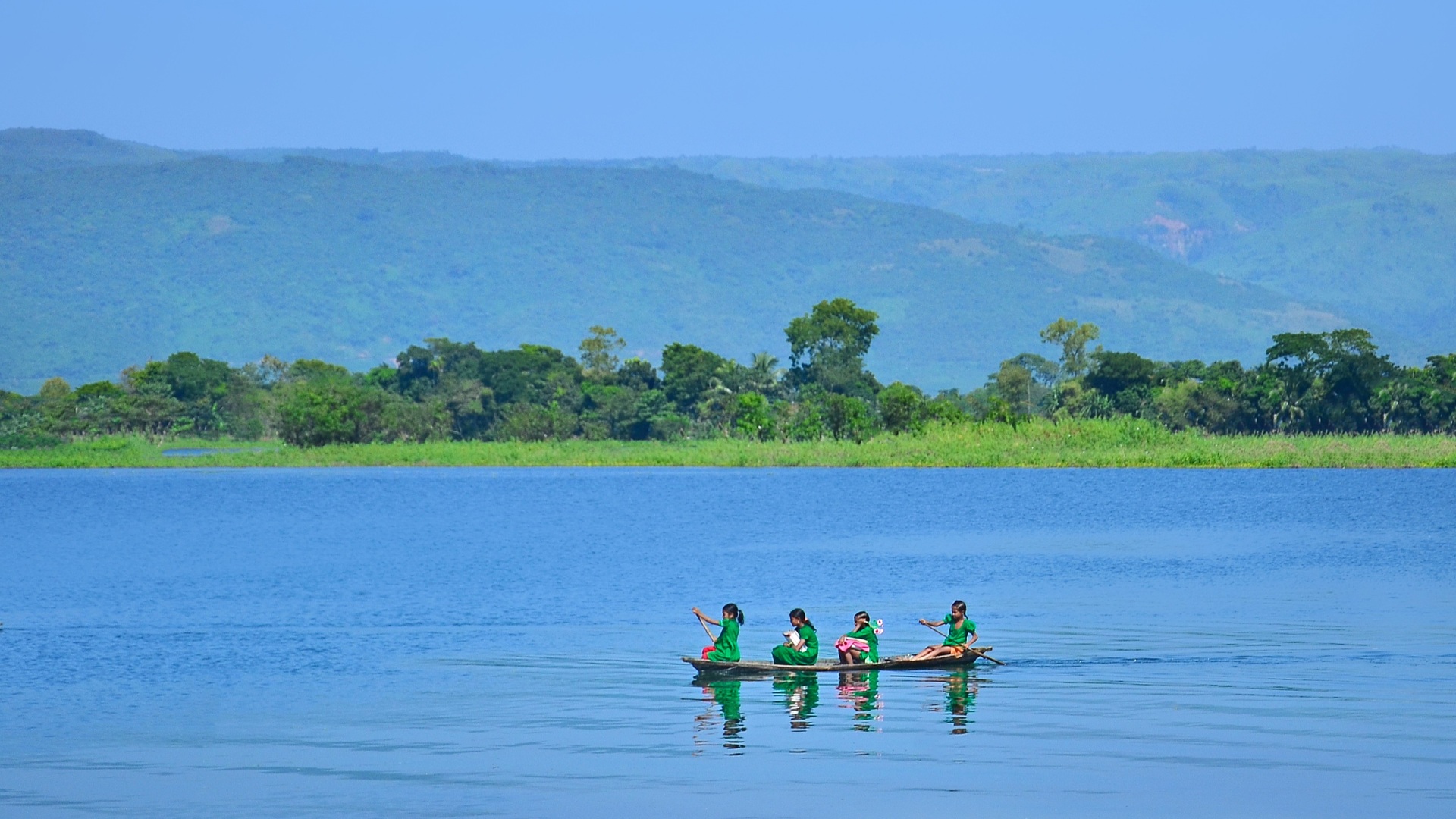
Further north, the haors of northeastern Bangladesh transform into vast inland seas during the monsoon. The most famous is Tanguar Haor, designated a Ramsar wetland site in 2000.
In the rainy season, villages appear as islands floating on endless water. The sky stretches above and reflects below, creating a landscape of extraordinary calm.
Travel here has changed significantly in recent years. What once required local contacts and improvised accommodation now revolves around a growing fleet of houseboats, many bookable online. The experience may be less adventurous than before, but it is far more accessible.
A night on the haor is not for everyone. Rain drumming on a boat roof can be deafening, and there is little shelter from the elements. Yet watching sunrise break across open water after a night of monsoon rain is an experience few visitors forget.
Hills and water
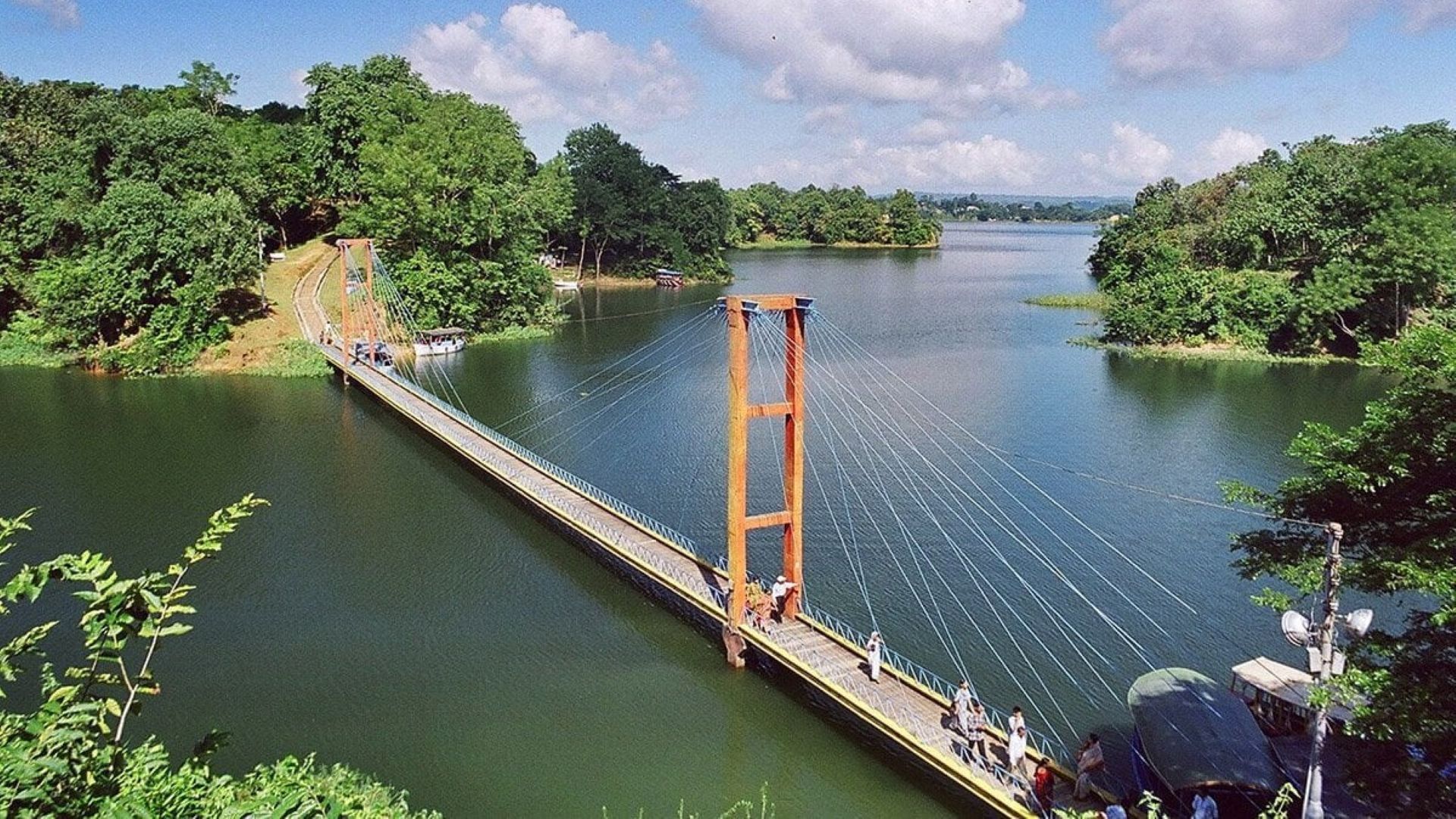
The Chittagong Hill Tracts offer a different perspective on the season. In Rangamati, Kaptai Lake, created by a dam on the Karnaphuli River in 1962, becomes even more striking during the rains. Bangladesh’s largest man-made lake is surrounded by hills that turn an intense shade of green.
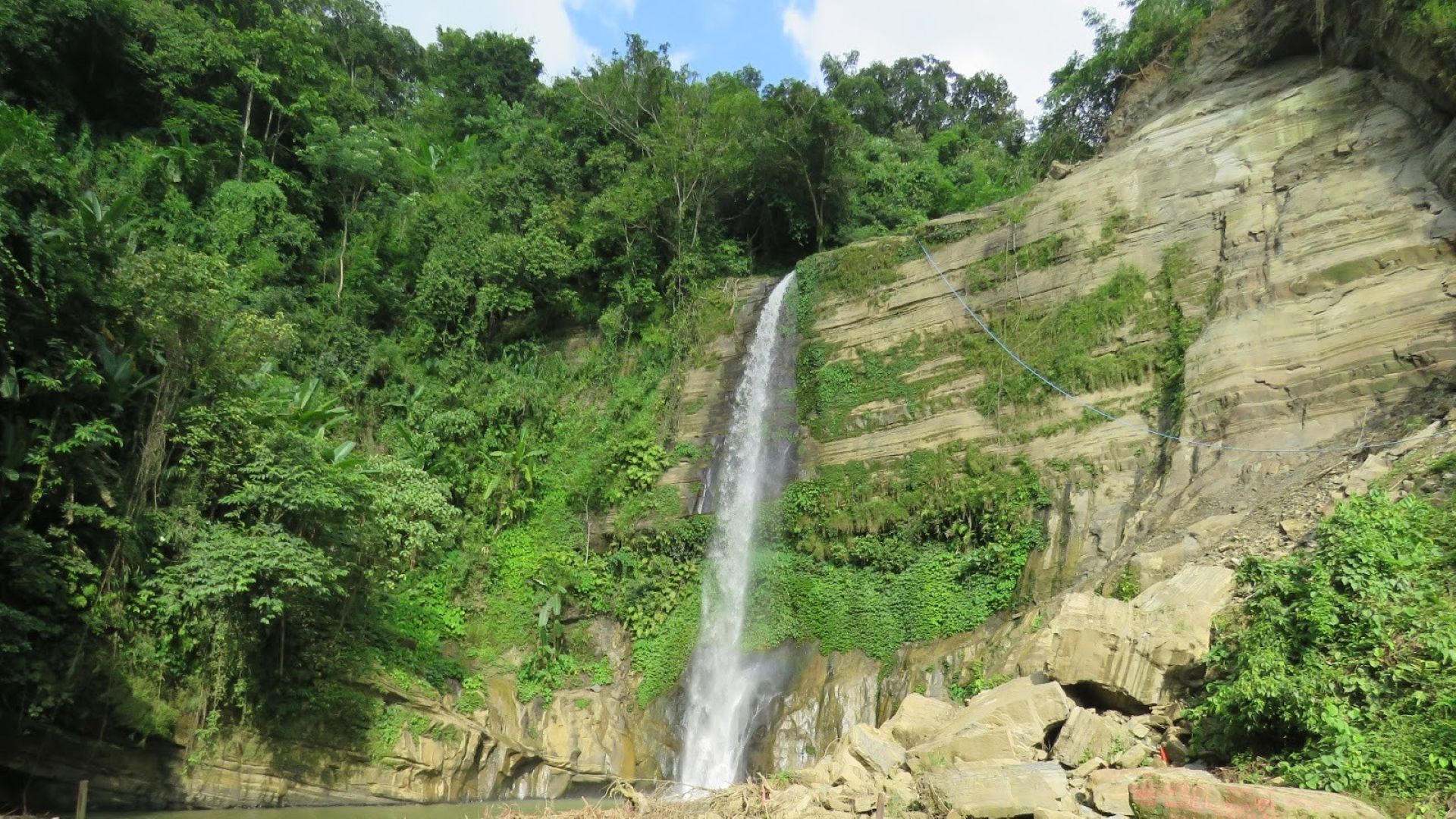
Shuvolong Falls, accessible by boat, is at its most impressive in July and August when rainfall is at its peak. Houseboats are also available here, offering a slower way to experience the landscape.
Monsoon travel requires flexibility. Roads flood, ferries are delayed and weather rarely follows a schedule. Visitors to Rangamati and Bandarban should monitor forecasts carefully, as heavy rain can trigger landslides. Coastal destinations such as Cox’s Bazar may also experience rough seas and storm surges.
The monsoon season typically runs from June to September, with July and August bringing the heaviest rainfall. These are also the busiest months for houseboat operators, making advance bookings advisable.
Pack for rain and expect the unexpected. Bangladesh in the monsoon does not reward rigid itineraries. The rain finds everyone eventually. The only question is where you want to be when it arrives.