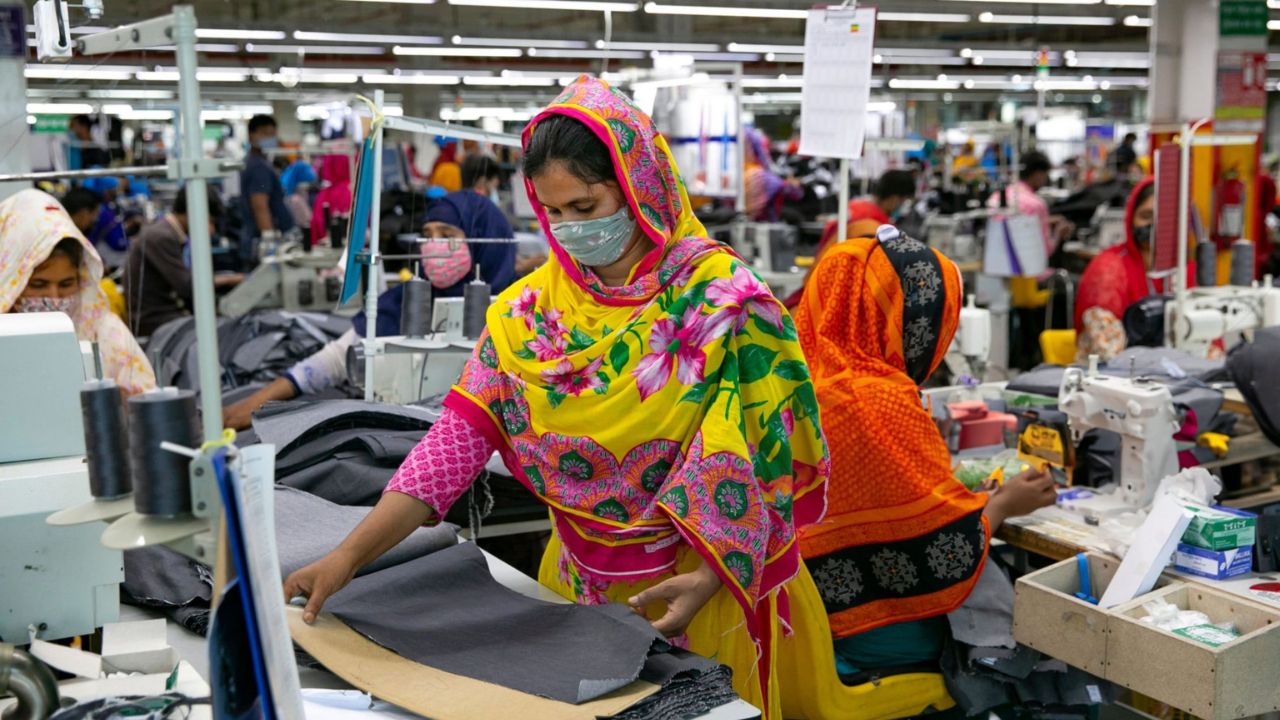
In the wake of a seismic political transition in West Bengal, the traditional festivities surrounding Eid al-Adha have been replaced by a pervasive atmosphere of apprehension.
For the first time in the state’s history, the right-wing Bharatiya Janata Party (BJP) secured a victory in the regional elections earlier this month, a move that has immediately begun to reshape the cultural and religious landscape of India’s eastern gateway.
Less than a week remains before the Muslim festival of sacrifice, yet the Dhulagarh cattle market, situated on the outskirts of the state capital, Kolkata, stands as a stark symbol of this change.
Once a bustling hub of commerce where thousands gathered to prepare for the ritualistic “qurbani,” the market is now largely deserted.
A Market in Mourning
Under the sweltering summer heat, the scene at Dhulagarh is one of stagnant trade and mounting debt.
Hundreds of cattle remain tied to bamboo poles, but the usual throng of buyers is nowhere to be found. Traders, many of whom have travelled significant distances, now huddle in small groups under tin shades, waiting for customers who may never arrive.
One Hindu seller, who journeyed 130km from the East Midnapur district, shared his plight on the condition of anonymity, citing a deep-seated fear of official reprisals.
Having taken out multiple high-interest loans to procure stock for the festival, he now finds himself facing financial ruin. “Who will buy a cow? People are living in fear,” he lamented.
In a state where Muslims comprise 27 per cent of the population – approximately 25 million people – the pre-Eid period has historically been a time of peak business. This year, however, the economic engine of the festival has ground to a halt.

The Enforcement of the 1950 Law
The catalyst for this sudden shift was the electoral victory of Prime Minister Narendra Modi’s BJP on May 6. Within a week of assuming office, the new Chief Minister, Suvendu Adhikari, issued orders for the rigorous implementation of the West Bengal Animal Preservation Act of 1950.
While the law has existed for decades, previous administrations – led by Marxist or centrist coalitions – largely refrained from strict enforcement in deference to the state’s culturally diverse social fabric.
Under those regimes, West Bengal and Kolkata thrived as renowned food hubs, famous for beef delicacies sold openly at street stalls and restaurants.
The new administration’s directive has changed the legal landscape overnight. The 1950 law mandates that no cattle can be slaughtered without a “fit for slaughter” certificate issued by a government official.
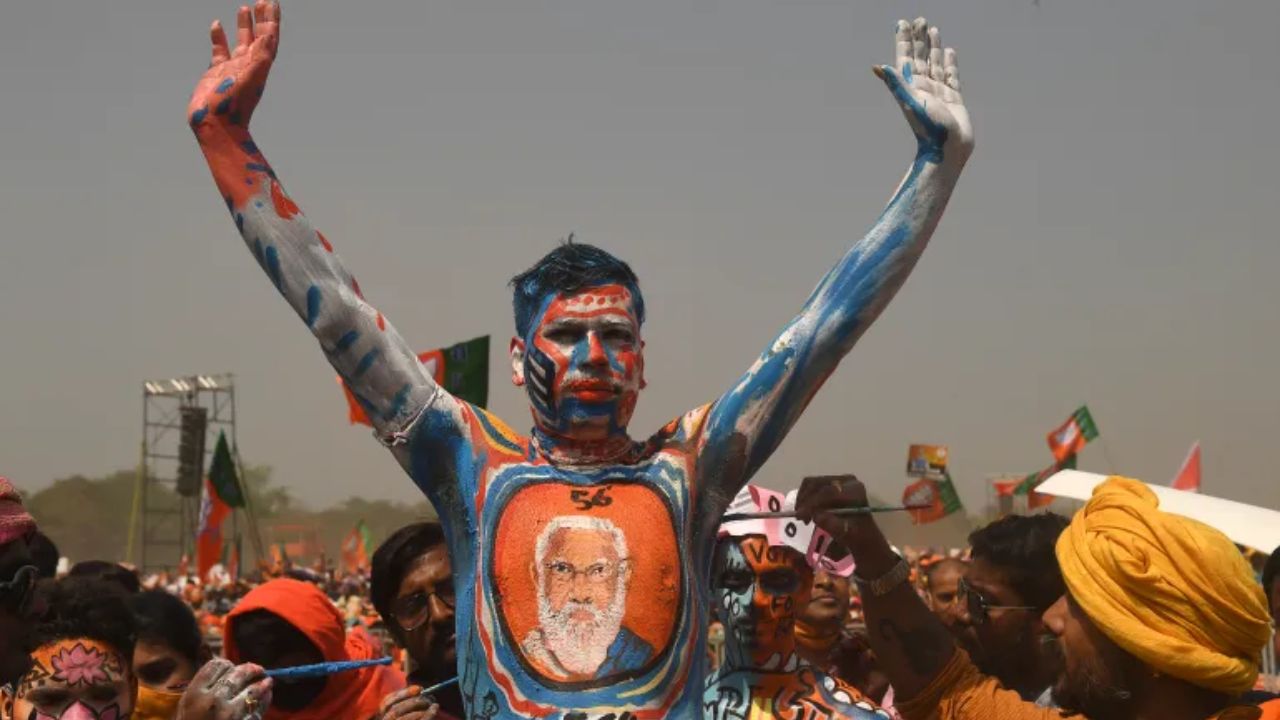
Additionally, the law stipulates that animals must be over 14 years of age to be eligible for butchering, and the process must take place only within municipal slaughterhouses or locations specifically designated by the local administration.
A Climate of Fear in the Food Industry
The impact of these stringent regulations has rippled through the state’s culinary sector. In Kolkata, “The Burger Shop,” a popular local eatery, recently announced the suspension of its signature beef burgers.
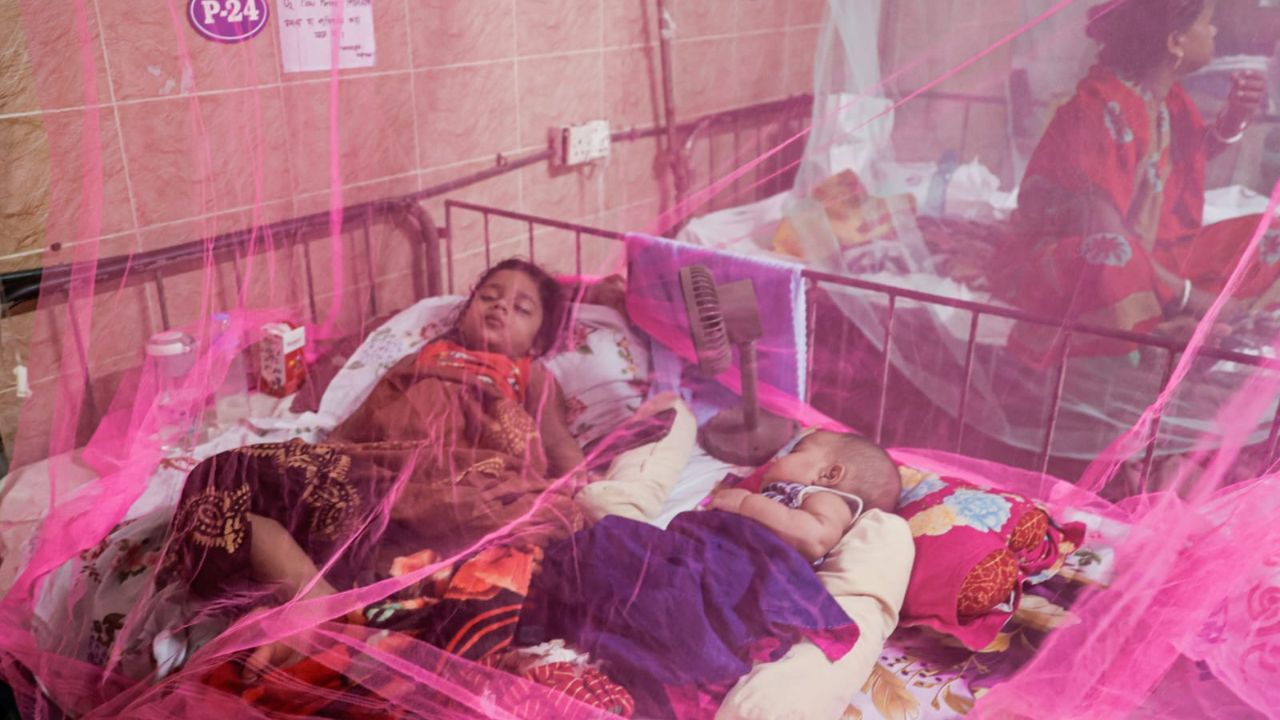


In an Instagram post that captured the sentiment of many, the restaurant stated: “Our burgers have no religion. But politics sure does”.
Utsha, a co-owner of the establishment, explained that their regular beef vendor was forced to shut down after being summoned by the local police and instructed to suspend operations.
“Our loyalists have expressed disappointment, and beef did account for a huge part of our business,” she noted, highlighting the economic toll on small businesses.
The downturn is even more pronounced in the historic New Market area, where licensed meat shops that have operated for over six decades are now struggling to survive.
Mohammad Hasim, a 65-year-old shop owner, described the situation as “topsy-turvy”. Due to a lack of demand from small eateries and the general climate of fear, live cow prices have plummeted from 400 rupees per kilo to as low as 150 rupees.
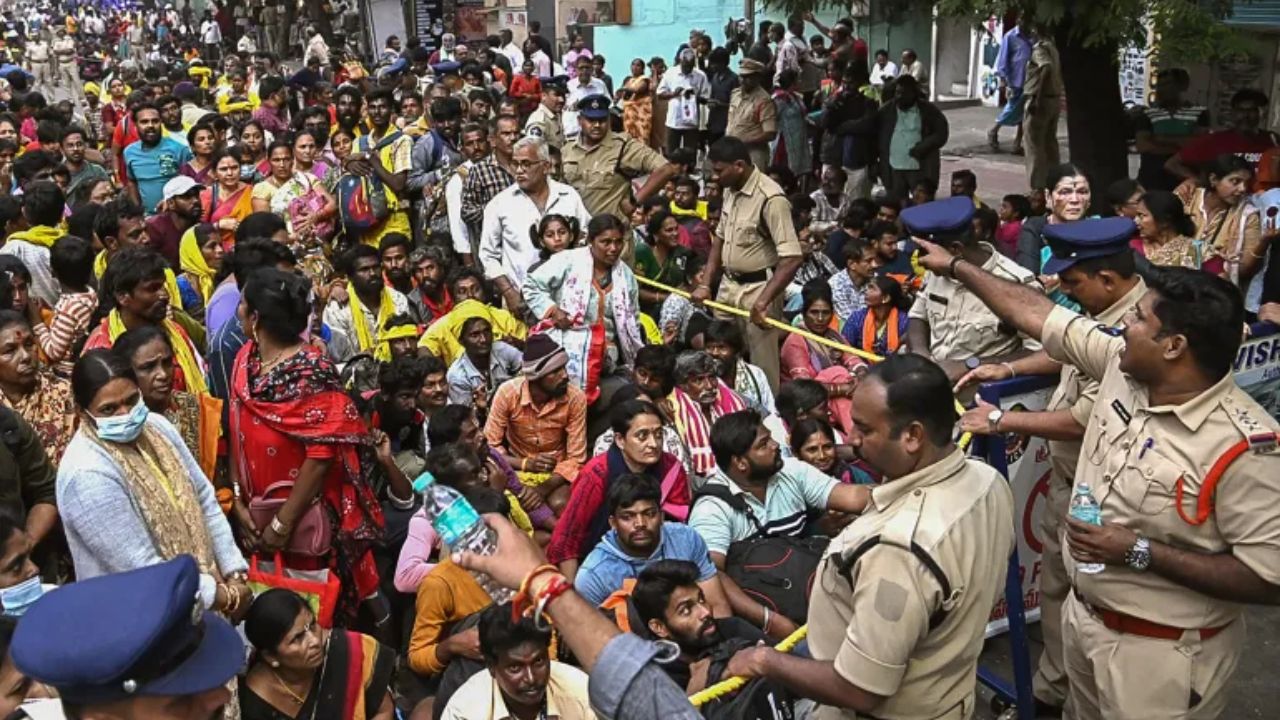
“Earlier, we would make sales till around 7pm,” Hasim said. “These days, we close our shops by 1.30pm and head home”.
The Human Cost of Economic Disruption
For the traders at Dhulagarh, the political shift translates to personal catastrophe.
Many of these sellers are Hindus who work as construction labourers for most of the year, relying on the Eid market to bolster their meagre incomes. They report losing approximately 5,000 rupees for every unsold animal.
The stakes are equally high for Muslim traders like Sundor, who used his mother’s jewellery as collateral for a one-million-rupee loan to purchase cattle for the season.
While he typically sells nearly 100 cows during Eid, earning up to 1.5 million rupees, he has yet to sell a single animal this year. “I am really scared,” he admitted, echoing the uncertainty felt by many in his position.
Political and Legal Contestation
The BJP administration has defended these measures as a simple matter of upholding the rule of law.
BJP spokesman Debjit Sarkar stated that the government is merely ensuring that “laws which were not being followed earlier are being strictly implemented now”.
However, legal experts and activists view the situation through a different lens.
Jayasimha Nuggehalli, a lawyer and former member of the Animal Welfare Board of India, observed that while such laws are often framed as animal protection measures, their implementation is frequently tied to questions of identity, trade, and rural livelihoods.
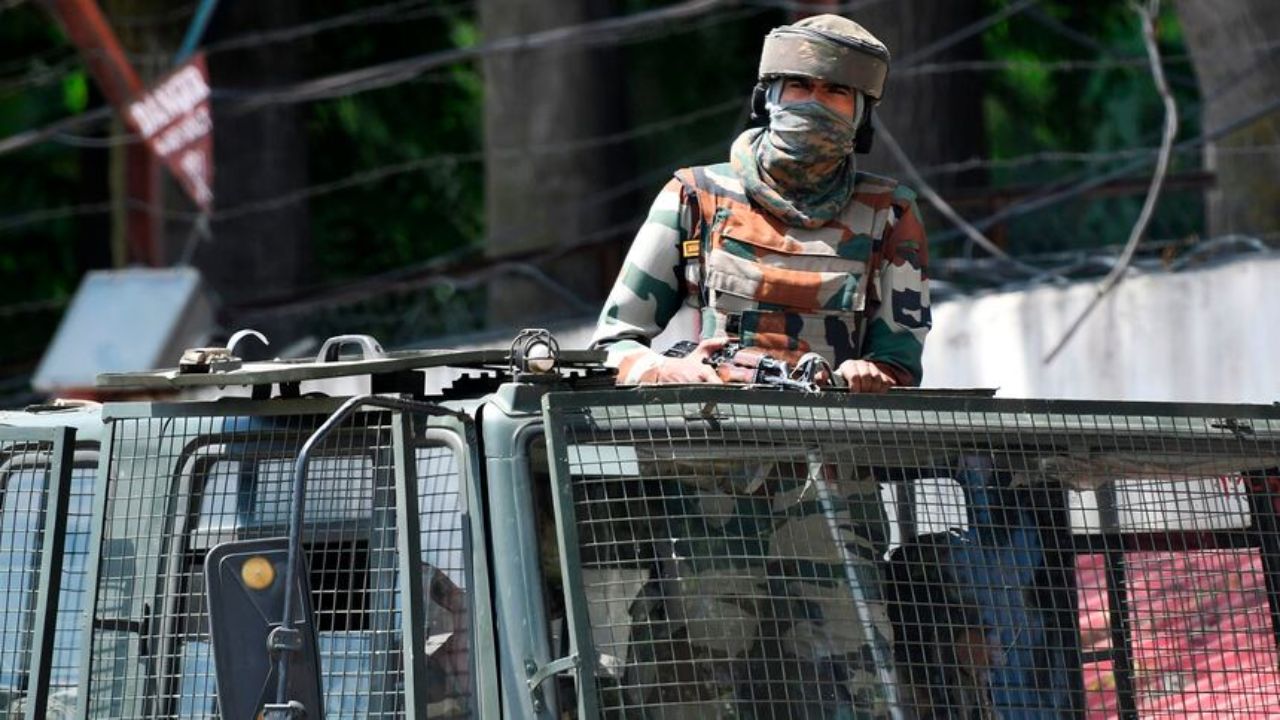
He noted that West Bengal is now part of a “broader trend” where meat regulation has become a focal point of political contestation.
Restrictions on Religious Practice
The tension has extended beyond the marketplace and into the realm of religious observance. In several Muslim-majority neighbourhoods, residents report that newly elected BJP legislators have issued orders prohibiting “namaz” (prayers) on the streets.
This practice is common during Friday and Eid prayers when mosques cannot accommodate the large volume of worshippers.
In the Mullick Bazaar and Park Circus areas, the usual pre-festival bustle has vanished. A shopkeeper in Mullick Bazaar, who refused to provide his name for fear of government reprisal, remarked that the markets are uncharacteristically empty.
“It has never been like this,” he said.
The Ideological Project
Prominent activist and writer Harsh Mander suggests that these changes are part of a long-term “ideological project” by the Rashtriya Swayamsevak Sangh (RSS), the ideological fountainhead of the BJP.
Mander argues that the RSS has historically sought to create an ethnic Hindu state where minorities are relegated to second-class citizenship.
“What the BJP is doing now is fulfilling that agenda,” Mander stated, characterising the current administration’s actions as an “open war on your own citizens”.
As the state moves toward Eid al-Adha, the traditional sounds of the festival have been replaced by a heavy silence, leaving many to wonder what the future holds for the culturally diverse traditions of West Bengal.