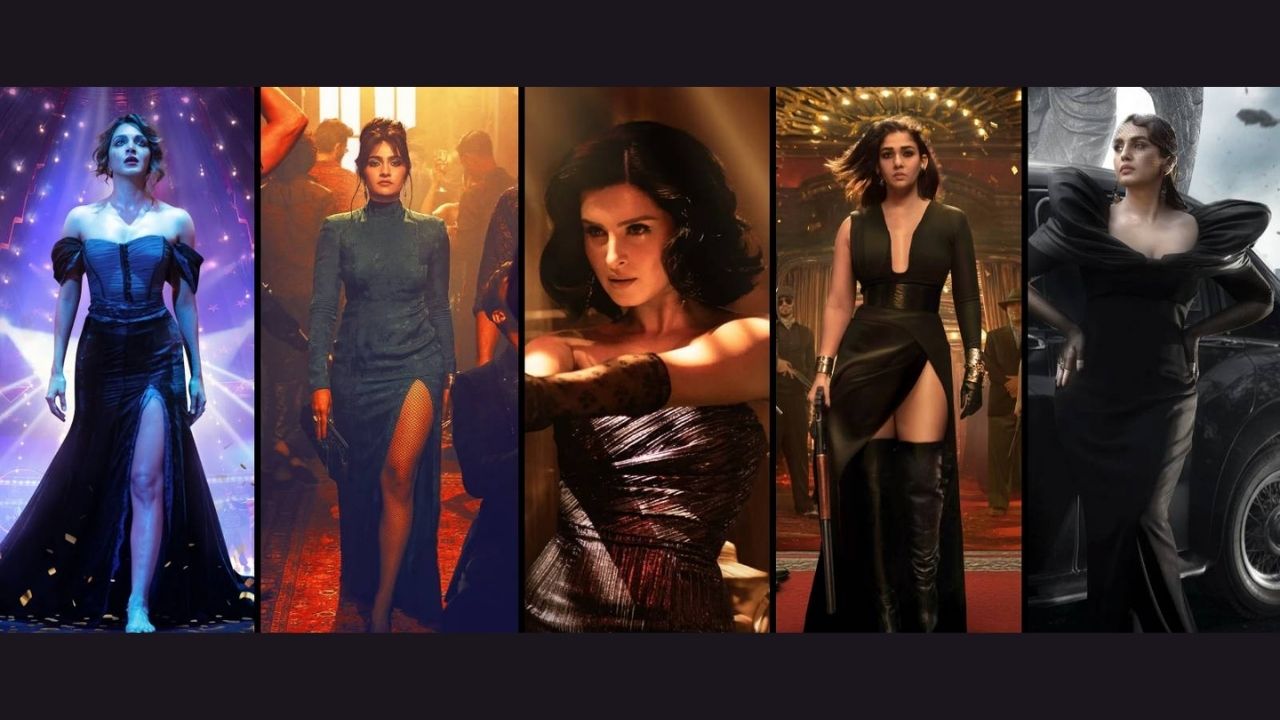

Before Toxic reached cinemas, Yash urged women to watch the film, saying director Geetu Mohandas had brought a “voice for women” to the gangster drama and promising they would have “a blast”.
After its 26 August release, that promise has become one of the film’s biggest talking points.
Toxic is now facing growing criticism over its sexualised portrayal of women, intimate imagery and allegedly misogynistic dialogue. The controversy has also revived a difficult question: can a film marketed as carrying a “female gaze” still reduce women to objects of desire?

Mohandas, known for Liar’s Dice and Moothon, was presented as a woman bringing a fresh perspective to a male-dominated genre. Yet the film’s promotional material and finished product have drawn accusations that its women are framed largely through sexuality and their relationship to Yash’s larger-than-life character.
Former BJP leader K Annamalai criticised the film’s portrayal of women and questioned the CBFC’s clearance. Online backlash has similarly focused on objectification and sexist dialogue.




Mohandas has rejected the suggestion that her women are treated as objects, urging audiences to watch the film before judging it. An older interview has also resurfaced, in which she said, “I write something else. I shoot something else. I edit something else. Then the film is out. Then I’m happy. I never stick to the script.” The comments predate Toxic and do not specifically refer to it.
Meanwhile, veteran filmmaker Alleppey Ashraf has alleged that business interests influenced production, that Mohandas was sidelined and that portions were reshot. Those claims remain unverified and should not be treated as established facts.
The film, co-written by Mohandas and Yash, has received mixed reactions despite a reported strong opening, adding another layer to the debate over who ultimately shaped its vision.
Yash continues to defend Mohandas, saying the promos do not reveal the full story.
That leaves the uncomfortable question: if a “female gaze” ends up presenting women as spectacle, does who is behind the camera really change what audiences see?