A worsening measles outbreak in Sudan’s Darfur region is exposing the deadly impact of war and a collapsed health system, with dozens of deaths reported and thousands infected, according to residents and officials.
Hawa Adam lost her two-year-old son Ali just two days after he fell ill in East Darfur’s Labado in February, highlighting the human cost of the crisis, reports Al Jazeera.
“I thought it was one of the ordinary childhood diseases,” the 37-year-old told Al Jazeera. “I never imagined I would lose my child to this epidemic.”
She blamed the death on the absence of basic medical care, saying vaccination had stopped and most doctors had fled after the conflict escalated.
“Most doctors”, she says, “left the area after the war broke out, forcing those with means to seek treatment abroad, in South Sudan or Uganda.”

Local estimates suggest around 70 people have died and about 1,000 infected across 12 neighbourhoods in Labado since March, though officials dispute the figures.
East Darfur Health Director Dr Jabir al-Nadeef confirmed the outbreak but reported 300 cases and 26 deaths across four districts.
“Vaccines only arrived on 11 April from Chad via Unicef [United Nations Children’s Fund ], after a prolonged period with no supply, and a vaccination campaign is scheduled to run from 18 April to 24 April across the state,” he said.

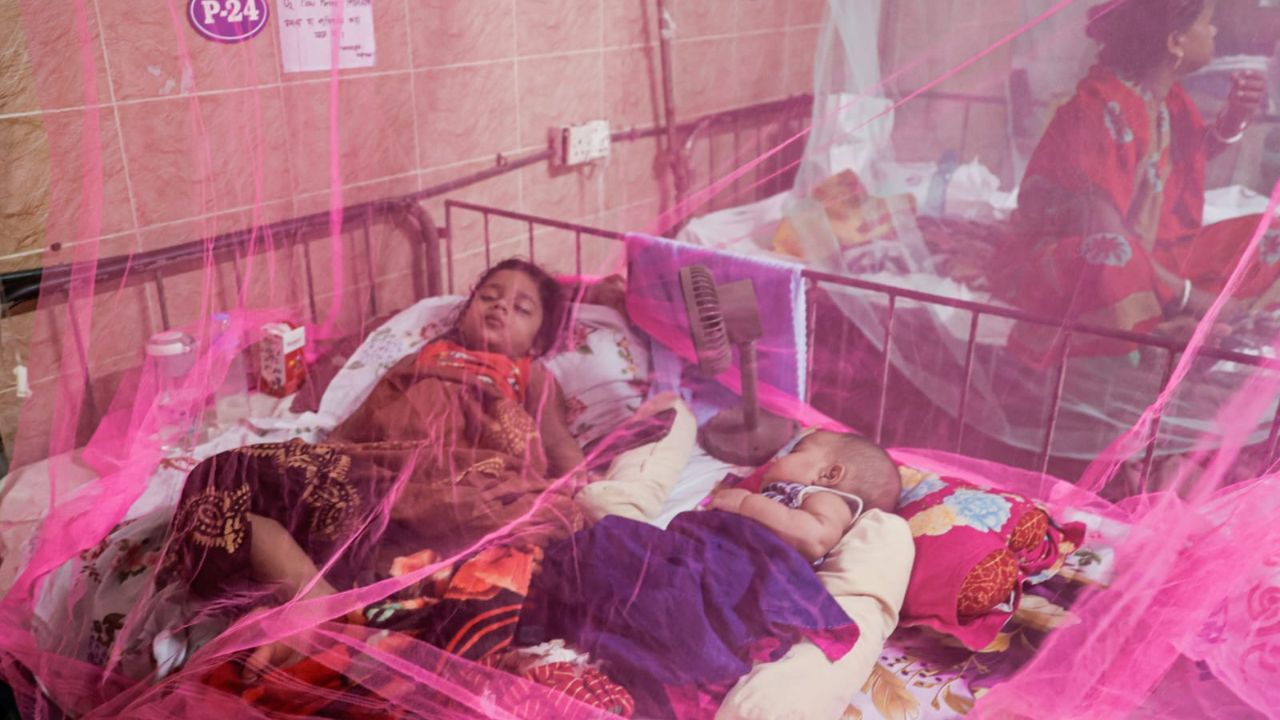


The outbreak, first recorded in January, has spread rapidly amid widespread displacement and the near-total breakdown of public health services.
“We discovered the outbreak by accident,” said Mohamed Abdel Aziz, coordinator of a local crisis unit, describing how volunteers encountered widespread infections during routine visits.
Families report treating children with home remedies due to a lack of medicines and rising costs.


“We tried to cure them with simple remedies like trying to lower temperatures with water compresses and using handmade potions from local plants to help with itching, but we couldn’t afford medicines, and sometimes we couldn’t find them,” said Ismail Issa, who lost his two-year-old daughter in March.
Medicines have been largely unavailable at public health centres since February, while private pharmacies remain out of reach for many residents due to high prices.
Some families have been forced to travel long distances to access treatment, often arriving at facilities with limited supplies.
“Families in Labado are suffering from the disease because vaccination has stopped at health facilities,” said Asmaa Jalaluddin, whose young daughter fell ill in April.
Health experts warn the outbreak is being driven by a sharp drop in immunisation coverage, with measles vaccination rates falling to 46 per cent and routine immunisation to 48 per cent in 2024.
Unicef says vaccination campaigns are under way in parts of Darfur, aiming to reach millions of children, though insecurity and damaged infrastructure continue to hamper efforts.
For many families, however, help has come too late.
“They could have still been alive,” Hawa Adam said. “Those without money die in Darfur.”