
Wages in Bangladesh continued to climb in August, underscoring the resilience of the labour market even as inflationary pressures showed signs of easing, according to the Bangladesh Bank’s latest Major Economic Indicators report.
The wage rate index rose 8.15% year-on-year, a slight dip from 8.19% in July but still marking robust growth. Services posted the fastest gains at 8.37%, followed by agriculture at 8.28% and industry at 7.93%.
Regional disparities remained in the month: Rangpur recorded the strongest increase, with wages rising 8.53%, while Barishal trailed at 7.74%. The index climbed to 129.7 points in August, up from 115.3 a year earlier.

At the same time, consumer prices edged lower, driven by easing energy costs, though food inflation continued to weigh on household budgets. The moderation brought overall inflation closer to policymakers’ comfort zone and may give the central bank space to hold interest rates steady after a string of hikes aimed at cooling demand.
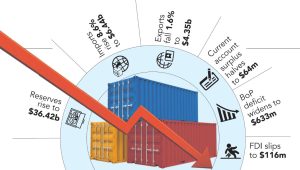
Other indicators pointed to persistent external vulnerabilities. Exports remained subdued amid weaker global demand, while imports slowed, reflecting both softer domestic consumption and lower input requirements.



Foreign exchange reserves showed modest stabilization but stayed under pressure, and the taka held relatively firm against the dollar, supported by remittances.
Industrial production was largely flat, with export-oriented sectors such as machinery and textiles struggling, even as domestic construction-related industries showed pockets of strength.
On the fiscal side, government borrowing in July rose, adding to concerns about the growing stock of domestic debt.
The data paints a picture of an economy finding balance: wage growth continues to support household demand, inflation is showing signs of relief, but external trade and industrial output remain weak.
Economist MS Siddique told TIMES of Bangladesh, “The coming months will hinge on whether inflation continues to ease and if global demand recovers enough to lift exports.”