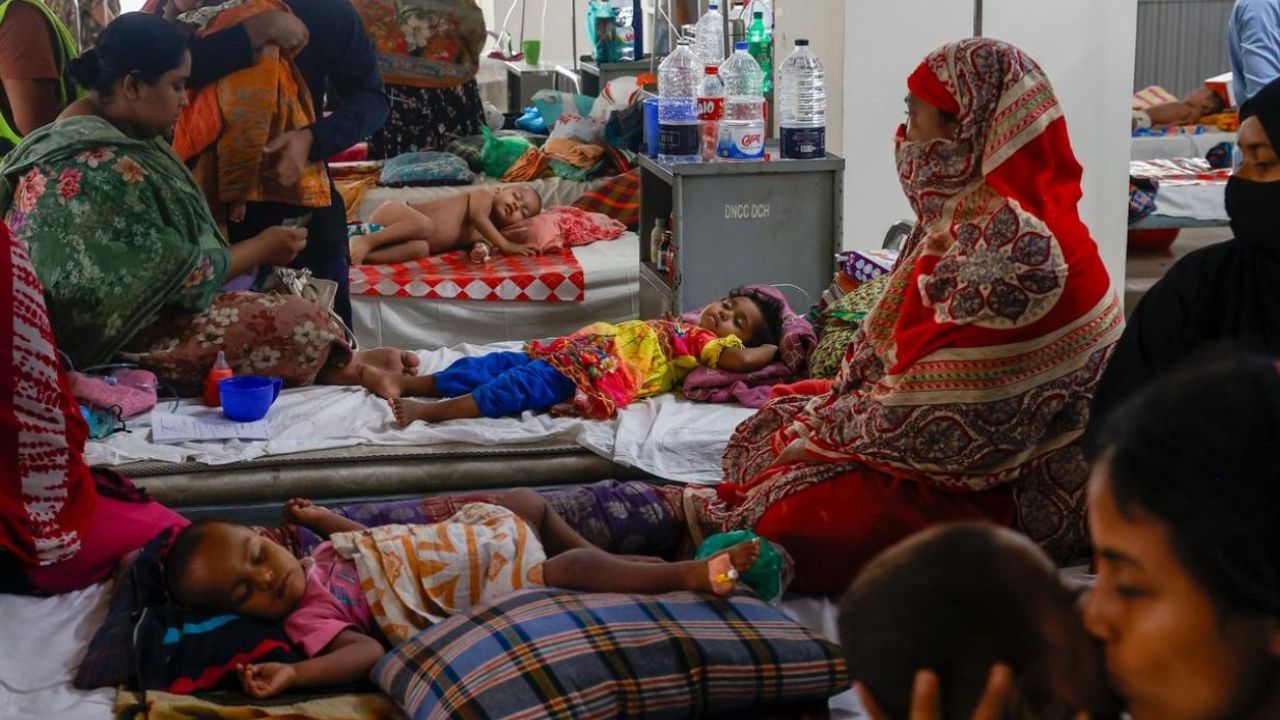





A dangerous pattern is emerging in Bangladesh’s worsening measles outbreak as infected children are spreading the virus to siblings and peers within cramped households where separation is nearly impossible.
Despite repeated medical warnings, many families cannot separate the sick from the healthy due to a lack of awareness, financial hardship, or overcrowding.

Health experts now fear that homes have become primary transmission hubs.

In the past 24 hours till 8am on Thursday, authorities reported seven deaths, six suspected and one confirmed, alongside 1,363 suspected cases and 155 new confirmed infections.
According to a Thursday health bulletin from the Integrated Control Centre at Directorate General of Health Services (DGHS), total suspected deaths have climbed to 369, while confirmed fatalities stand at 70.
Dhaka division remains the hardest-hit region, recording four of the most recent suspected deaths.
One child infected, then another
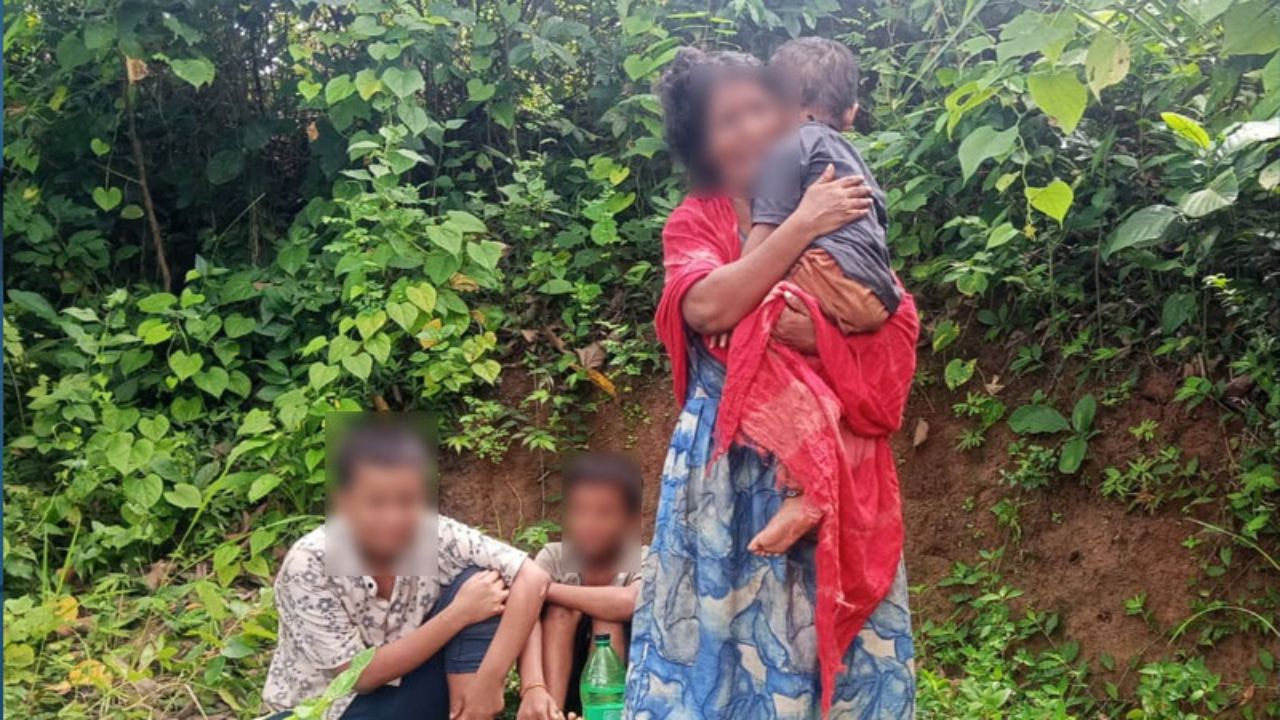
In Noakhali, the toll of the measles outbreak is written in the faces of a single family. Two-and-a-half-year-old Kausar was the first to fall ill; within days, her six-year-old sister, Nusrat Jan Iqra, developed a high fever, profound weakness, and a spreading rash.
Iqra is now fighting for her life at DNCC Hospital in Dhaka.
“Kausar had it first,” their father told TIMES of Bangladesh. “Just two days after we brought her home, Iqra developed a fever. The doctor told us to monitor her for a day, but when the rash appeared, I didn’t delay. I brought her straight to the hospital.”
Despite medical intervention, Iqra’s condition remains unstable.
“She cannot eat, and her fever won’t break,” her father said, visibly distressed. “It’s difficult even to administer medicine; she is mostly surviving on saline.”
The family’s ordeal is compounded by missed opportunities for prevention. While Iqra missed her vaccinations due to what the family describes as negligence, the younger children were reportedly unable to get their shots in 2024 because doses were unavailable.
Now, a new fear haunts the parents as their youngest child is only two months old.
“Three of my children have already been infected,” the father said. “We try to keep them apart, but in a small home, it’s impossible. They naturally gravitate toward each other.”
Crowded homes fuelling transmission
According to the World Health Organization, measles is among the world’s most contagious diseases, spreading through coughing, sneezing, or even breathing near an infected person.
A single carrier can transmit the virus to between 12 and 18 others, leaving unvaccinated children and pregnant women particularly vulnerable.
While doctors stress that immediate isolation is critical, this advice often collapses when faced with reality.
During visits to the Infectious Diseases Hospital and DNCC Hospital on Wednesday, many parents were seen bringing healthy children alongside infected ones, simply because they had no childcare alternatives at home.
This crisis is even more acute in areas like the Korail slum, where entire families often share a single room. The director of DNCC Hospital told TIMES, “We always advise parents to isolate the infected child, but families often cannot or do not comply. They cite various constraints, and without family cooperation and awareness, our options are limited.”
Govt claims continuing awareness
On Wednesday, DGHS Director General Prabhat Chandra Biswas claimed that the government has launched extensive awareness campaigns in conjunction with the nationwide measles drive.
“Since the start of the campaign, the government has been utilising various media platforms to educate the public,” he told reporters.
These efforts include the distribution of posters, leaflets, and infographics, as well as the broadcasting of video messages, talk shows, and television news tickers.
Cases continue to surge
According to DGHS data released Thursday, Bangladesh recorded 54,419 suspected measles cases between March 15 and 8:00am on May 14. Of these, 7,305 have been laboratory-confirmed.
Hospitalisation rates remain high, with 39,160 patients admitted during this period, while 34,968 have since recovered and been discharged.
The geographic spread remains concentrated: in the past 24 hours, Dhaka Division reported the highest surge with 588 suspected and 132 confirmed cases. Chittagong and Rajshahi followed with 273 and 159 suspected infections, respectively.
Despite the rising numbers, health officials report that the Measles-Rubella Vaccination Programme is making significant strides.
Since 5 April, over 18.14 million people have been vaccinated, pushing national coverage to 101 per cent. Regional successes include 102 per cent coverage in Chattogram, Rajshahi, and Rangpur.
Among city corporations, Gazipur leads with 108 per cent coverage, followed by Dhaka North at 104 per cent and Chattogram City Corporation at 96 per cent.


