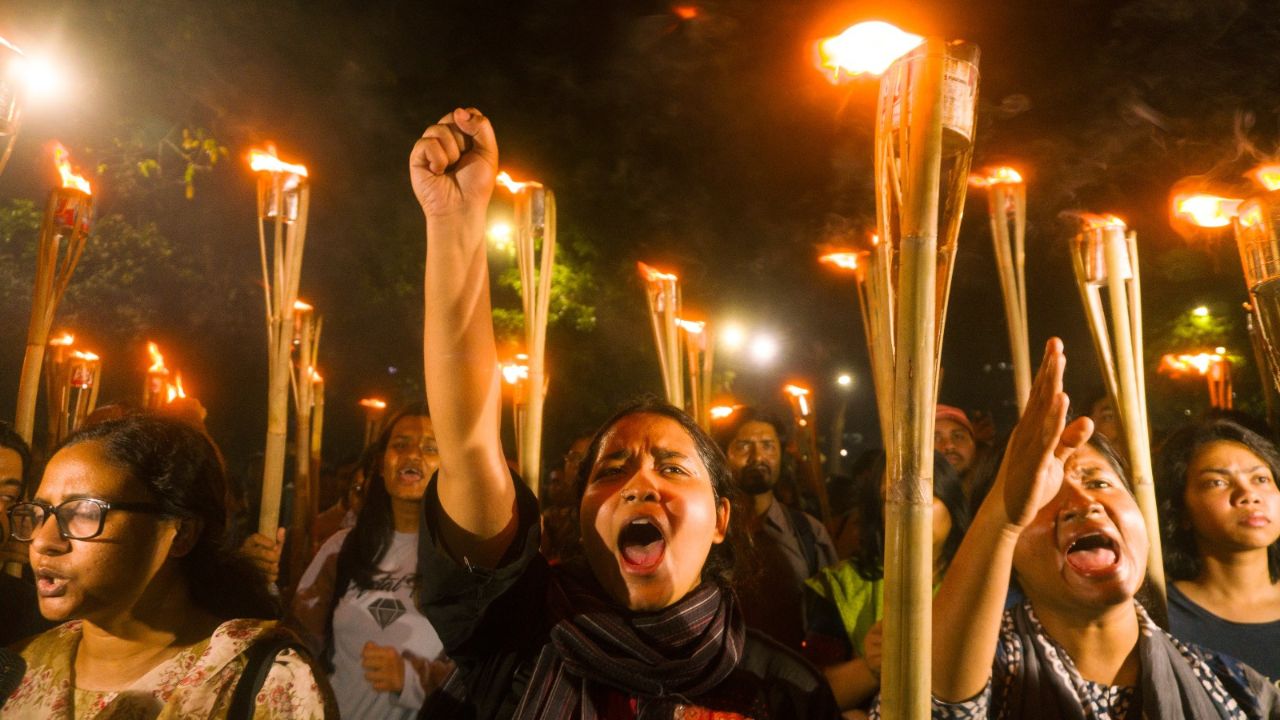



The streets are often the first place where a woman’s anger becomes visible. Torches in hand, slogans rising in the night, they march not just for themselves but for generations who learned to live quietly with injustice.
Women protesting violence and discrimination have become increasingly common across the world, and in Bangladesh too. They reflect a truth that is both painful and undeniable: despite decades of progress, women still face deep-rooted inequality and injustice in many parts of society.
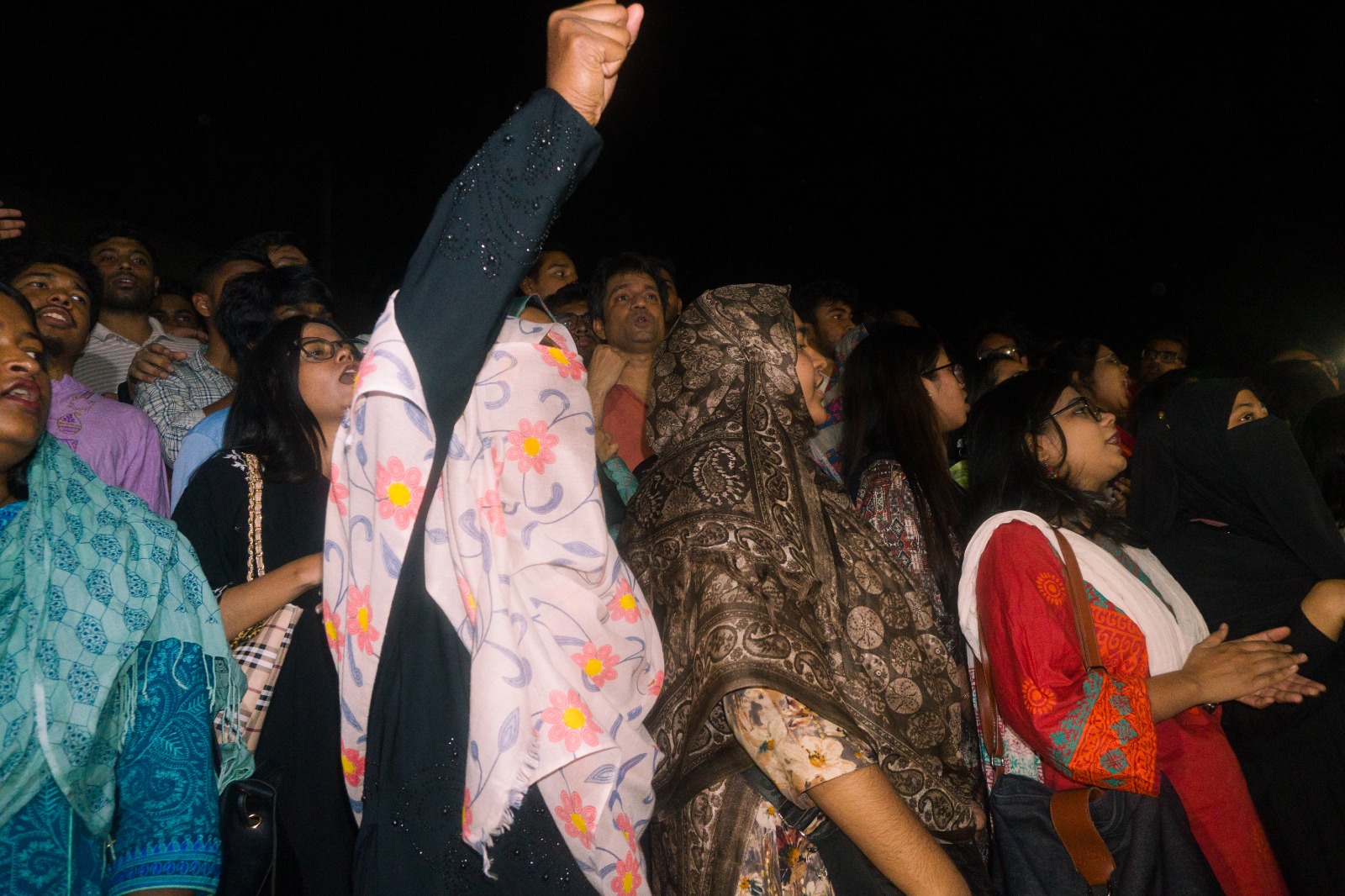
In Bangladesh, the numbers themselves tell a troubling story. A recent survey revealed that about 70 per cent of women have experienced some form of intimate partner violence in their lifetime, including physical, emotional, sexual or economic abuse. Even more alarming, 41 per cent reported facing such violence within the past year alone.
These statistics reveal that for many women, discrimination does not only exist in public spaces but also within the walls of their own homes.

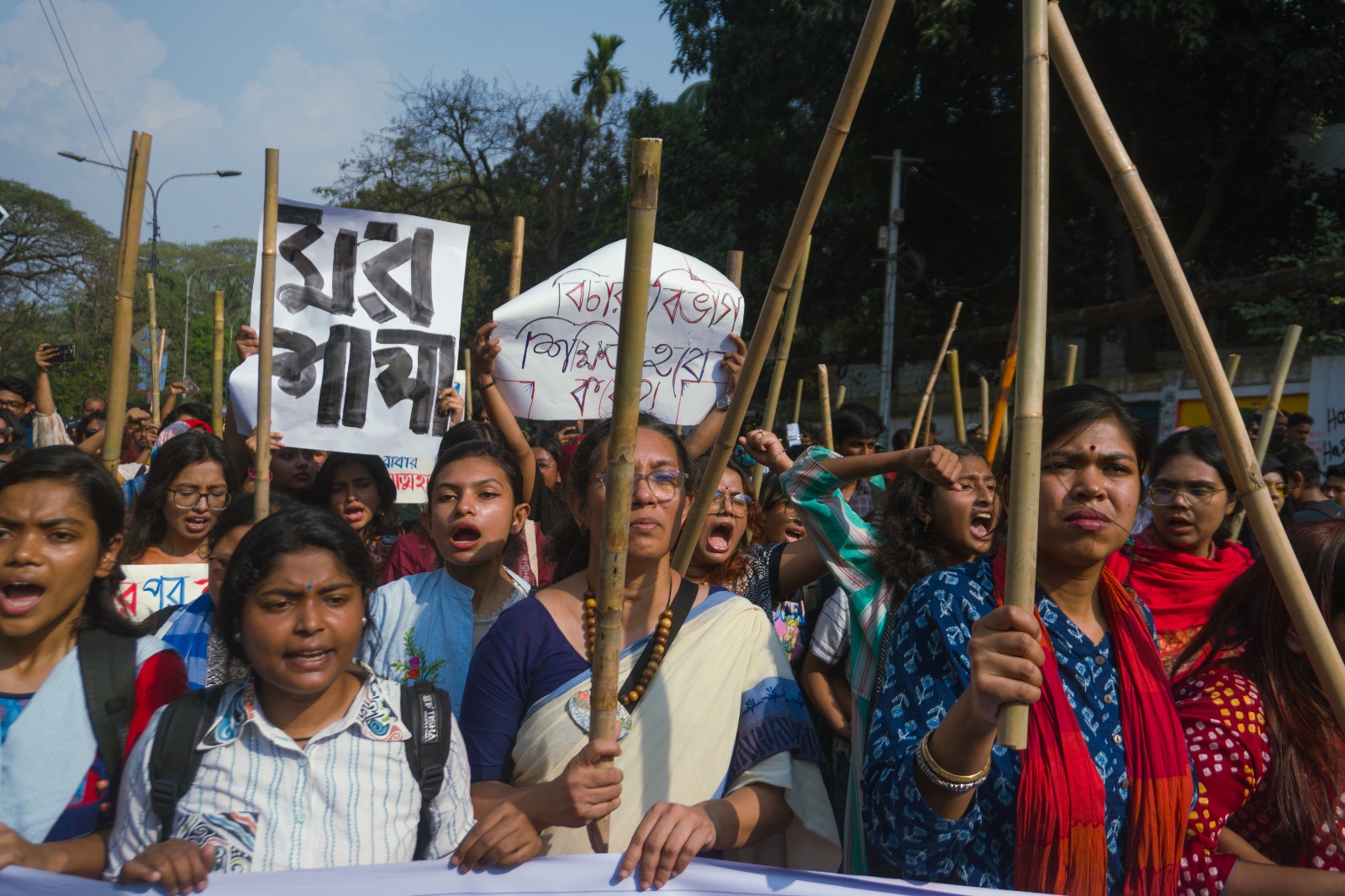
Beyond domestic life, women often encounter barriers in education, workplaces and politics. Human rights groups have recently warned that attacks and intimidation against women and girls in Bangladesh have been rising, particularly during periods of political tension and social unrest.
In many cases, women who raise their voices, whether as activists, journalists, or protesters, become targets of harassment, threats or violence.




The struggle is not limited to Bangladesh. Across the globe, women continue to fight similar battles. On International Women’s Day this year, thousands of women took to the streets across cities from Berlin to Mexico City, demanding justice for victims of gender-based violence and calling for an end to discrimination and inequality.
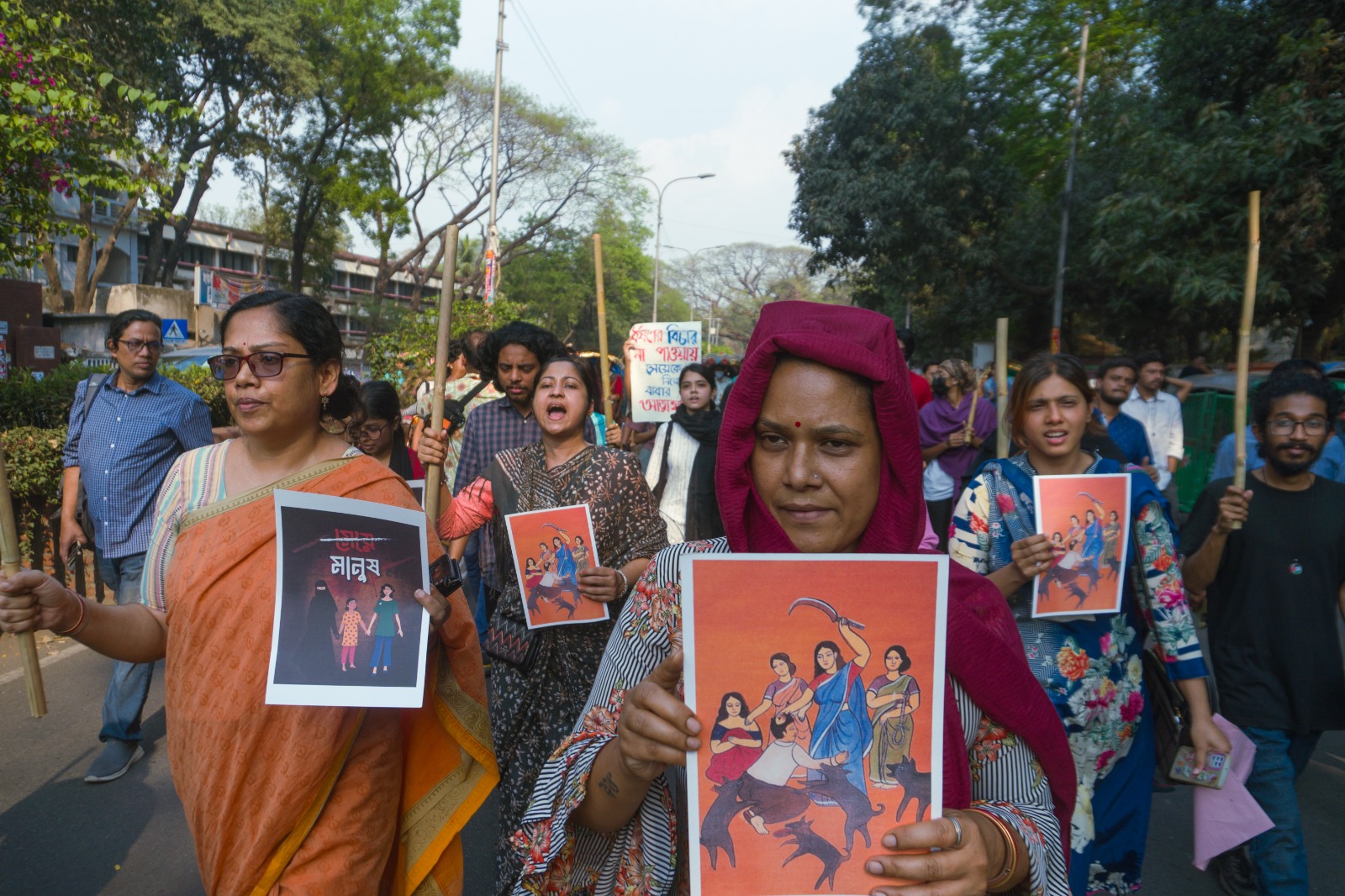
In Brazil, nationwide marches were sparked by outrage over the alleged gang rape of a teenage girl, highlighting the persistence of gender violence even in societies that claim to champion equality.
Meanwhile, digital spaces, once seen as empowering platforms, have also become hostile environments for many women. Reports show that women journalists and activists increasingly face online abuse, threats and harassment, which often spill into real-world violence.
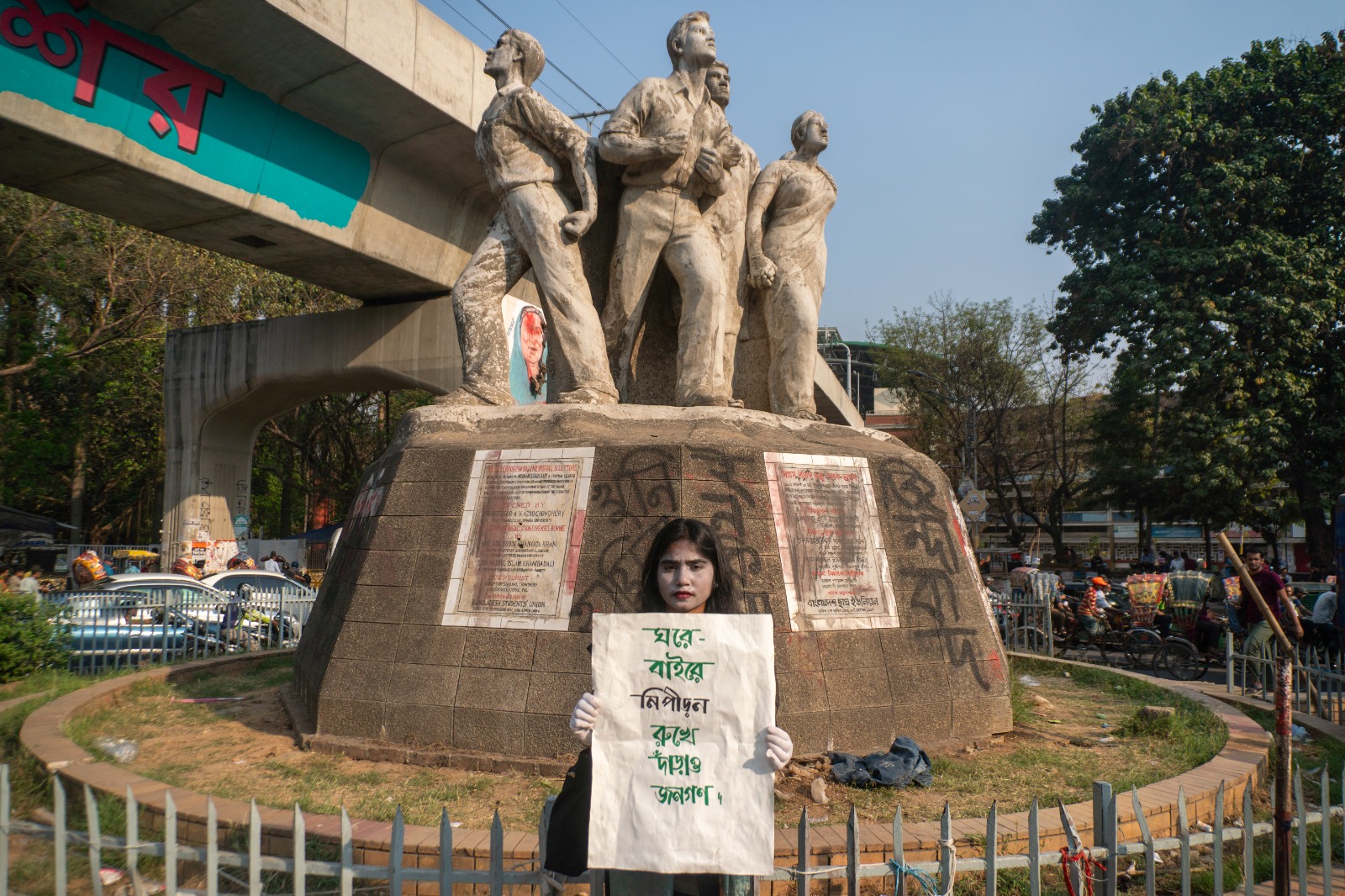
The goal of such intimidation is clear: to silence women and push them out of public conversation.
Yet, despite the risks, women continue to resist. From students marching on university streets to garment workers demanding fair treatment in factories, their protests carry a powerful message. They are not only fighting for safety and equality but also for dignity.
The fire seen in their marches is more than symbolic. It represents a refusal to remain silent, a determination to challenge injustice wherever it exists. If discrimination persists, women will continue to raise their voices until the world finally learns to listen.