Rising geopolitical tensions in the Middle East are again unsettling global energy markets, raising fears of supply disruptions and sharp increases in crude oil prices. Several international analysts warn that if the conflict persists, oil could climb to $150 a barrel, nearly double current levels.
For Bangladesh, which relies heavily on imported fuel, such a surge would pose a serious macroeconomic challenge. Nearly 95 per cent of the country’s energy demand is met through imports, leaving the economy highly exposed to global oil price volatility. When global prices rise, the impact quickly appears in higher import bills, pressure on foreign exchange reserves, widening fiscal deficits and rising inflation.
Even moderate increases in oil prices carry significant consequences for Bangladesh’s economy. The country spent about $3.28 billion on liquefied natural gas imports in fiscal year 2023–24. During the same period, Bangladesh imported roughly 9.58 million barrels of crude oil worth about $709 million and around 32.16 million barrels of refined petroleum products costing about $2.48 billion.
Based on these figures, a $10 increase in global oil prices could raise Bangladesh’s monthly energy import bill by roughly $80 million. If oil rises from $70 to $115 per barrel, an increase of $45, the additional annual expenditure could run into several billion dollars. Such a surge would quickly strain foreign exchange reserves and intensify inflationary pressure across the economy.

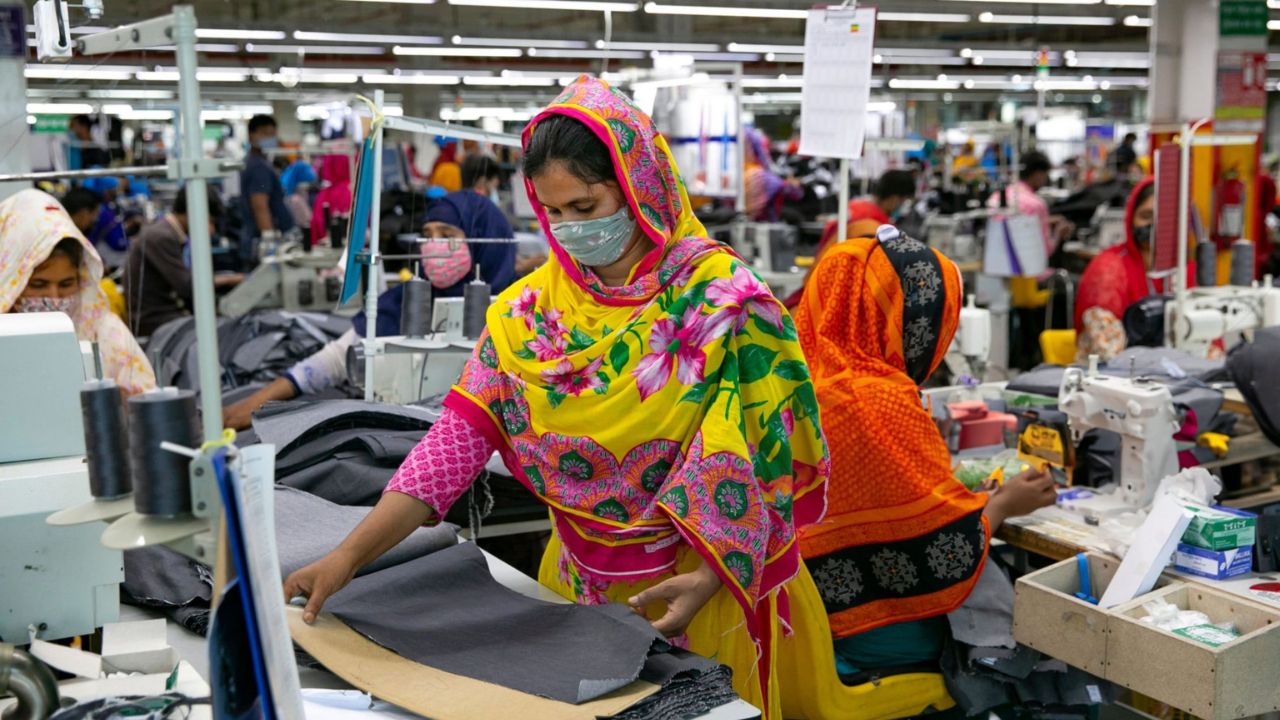
Higher fuel prices ripple across the wider economy. Transportation costs increase, industrial production becomes more expensive and the prices of goods and services rise across sectors. These pressures spread through supply chains and eventually affect essential commodities and food products, meaning ordinary households bear the burden of energy-driven inflation.
Policymakers therefore face difficult choices. Governments usually respond through three options—expanding fuel subsidies, raising domestic fuel prices or increasing external borrowing. Each carries risks. Larger subsidies strain the national budget, higher fuel prices accelerate inflation and social pressure, while additional borrowing can create long-term debt vulnerabilities.
The challenge is compounded by existing fiscal constraints. Bangladesh is expected to face a revenue shortfall of about Tk700 billion in the current fiscal year. To meet recurring expenditures such as government salaries and routine spending, authorities have already borrowed roughly Tk1.5 trillion from the banking system, tightening liquidity in the financial sector.


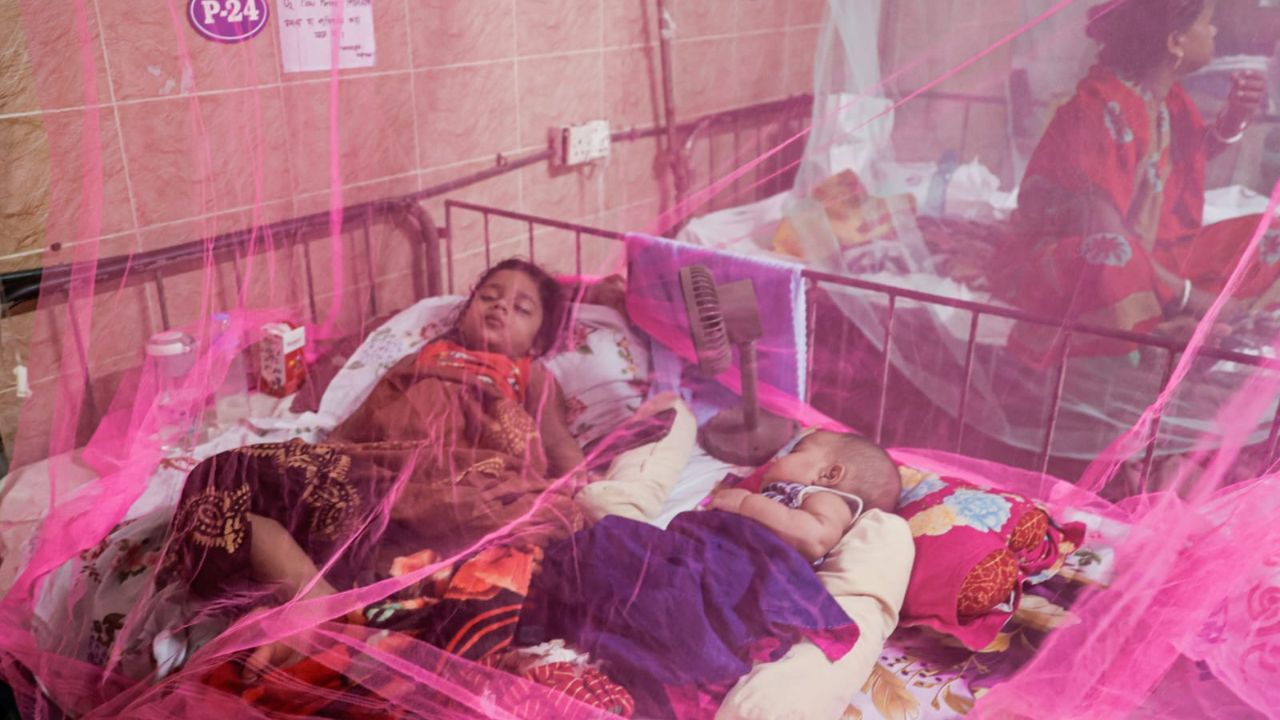

Under such conditions, sustaining large energy subsidies becomes increasingly difficult. This has prompted economists to explore whether loan guarantee facilities from multilateral lenders such as the World Bank or the Asian Development Bank could help cushion the economic shock.
A loan guarantee allows institutions such as the World Bank or Asian Development Bank to guarantee repayment of part of a borrower’s debt. This reduces the risk perceived by lenders and enables countries to access international financing at lower interest rates and better terms.
If Bangladesh secures financing for energy imports backed by such guarantees, the arrangement could reduce immediate pressure on foreign exchange reserves by lowering the need for large upfront dollar payments. It would also give policymakers greater flexibility in managing domestic fuel prices, allowing gradual adjustments instead of abrupt increases that could fuel inflation.
Support from major international institutions also strengthens investor confidence. When organisations such as the World Bank or Asian Development Bank back a country’s borrowing programme, it signals credibility in economic management and can improve investor sentiment.
Several developing economies have used such instruments successfully. Indonesia has relied on Asian Development Bank guarantees to finance electricity and natural gas infrastructure. Pakistan has used guarantee facilities from the World Bank’s Multilateral Investment Guarantee Agency for energy projects, while Argentina recently secured about $1.75 billion in guarantees to mobilise international financing.
However, loan guarantees should not be viewed as a permanent solution. Multilateral financing often comes with policy conditions, including gradual reduction of energy subsidies, adoption of market-based fuel pricing and stronger governance in the energy sector. While politically sensitive, these reforms are necessary for long-term sustainability.
Bangladesh’s heavy dependence on imported fuel makes the economy vulnerable to global price shocks. If oil prices surge sharply, Bangladesh will face rising import bills, pressure on foreign exchange reserves and stronger inflationary pressure. Loan guarantees could provide temporary financial breathing space, but the country’s long-term resilience will depend on structural reforms and a gradual shift toward a more diversified and sustainable energy mix.
Author is the chief coordinator at Fintalk Bangladesh and a board member at Policy Think and Economic Research Center.