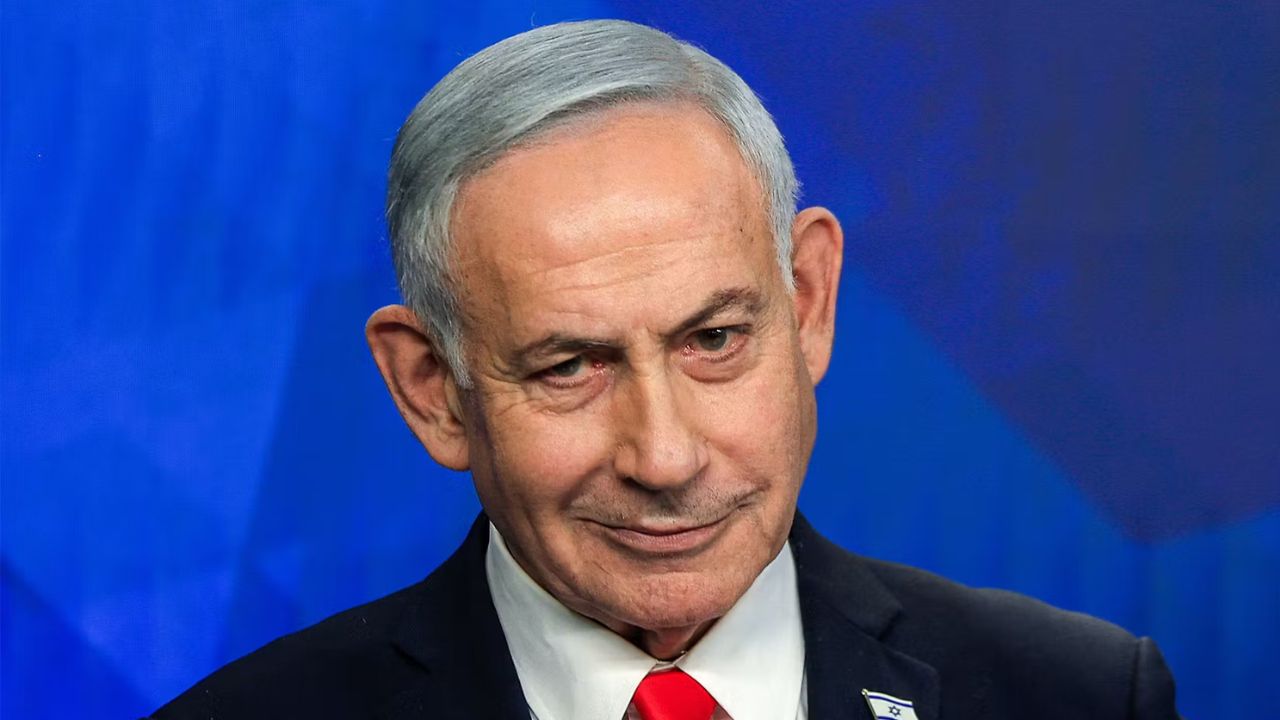



United States intelligence agencies have warned the Trump administration that Israeli Prime Minister Benjamin Netanyahu is likely to take deliberate steps to undermine a fledgling peace deal with Iran.
According to current and former US officials, the Israeli leader is facing intense domestic political pressure to persist with military operations in Lebanon, a move that directly threatens US President Donald Trump’s efforts to secure a lasting diplomatic agreement.
The intelligence analysis, which was circulated this week, suggests that Israel appears intent on continuing its campaign against Hezbollah, reports The Washington Post.
Such actions would flout a core component of the “memorandum of understanding” signed between the US and Iran on Wednesday, which calls for an end to hostilities in Lebanon.
The growing rift between the two allies became starkly visible on Friday. Following a Hezbollah drone strike that killed four Israeli soldiers, Israel launched retaliatory airstrikes across southern Lebanon.

This escalation forced the postponement of high-level talks between US and Iranian officials in Switzerland. Vice-President JD Vance, who was scheduled to lead the American delegation, has also deferred his trip.
Intelligence reports conclude that Netanyahu’s political survival is tethered to his stance in Lebanon ahead of national elections this autumn.




“Netanyahu’s political survival is linked to showing his domestic audience that he will not withdraw troops from Lebanon,” one US official noted, adding that the Prime Minister is focused on escalating the fight.
Public sentiment in Israel remains firm; a May poll by the Institute for National Security Studies indicated that 70 per cent of Jewish Israelis support intensifying the conflict against Hezbollah.
The Trump administration has publicly urged restraint. Speaking at the G7 summit in France, President Trump admitted to a “little dispute over Lebanon” and cautioned Netanyahu against disproportionate destruction.
However, Israeli cabinet officials remain defiant.
National Security Minister Itamar Ben Gvir recently declared on social media that “all of Lebanon should burn,” while Netanyahu told reporters in Jerusalem that Israeli forces would remain in the “security buffer zone” for as long as necessary, acknowledging that he and Trump “see less eye to eye” on certain issues.
The Israeli government expressed frustration that the US-Iran memorandum might constrain its ability to defend itself. Conversely, US officials argue that the deal is essential to reopening the Strait of Hormuz and preventing a global economic crisis.
The friction marks a significant shift in a relationship that has defined Netanyahu’s career.
Analysts point out that the Israeli prime minister is risking “huge friction” with a president who initiated the war with Iran on 28 February at his urging – a conflict that has already cost tens of billions of dollars and claimed the lives of 13 US troops.
While the US has historically avoided imposing severe costs on Israel, experts suggest the Trump administration holds significant leverage, including the potential to freeze intelligence sharing or cut off supplies of munitions and jet fuel.
As it stands, the Israel Defence Forces occupy over 200 square miles of Lebanese territory. Lebanese authorities report that more than 3,000 people have been killed and over one million displaced since the Israeli campaign began in mid-March.