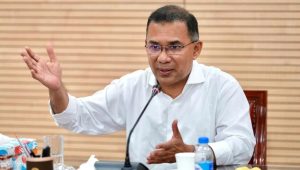
UNICEF Representative to Bangladesh, Rana Flowers, said on Wednesday that the agency had repeatedly alerted authorities during the interim government period regarding a potential vaccine shortage before the current outbreak emerged.
Speaking at a press conference held at the JPG Conference Room of UNICEF House in the capital, Flowers revealed that UNICEF dispatched “five or six letters” between 2024 and February 2026, and held at least ten meetings within this timeframe discussing the issue.
These communications urged authorities to take necessary steps to ensure uninterrupted vaccine supplies.

According to Flowers, the final letter was sent shortly before the change in government to ensure the issue remained on the agenda for the incoming administration. In addition to written correspondence, UNICEF officials sought numerous meetings with government authorities.

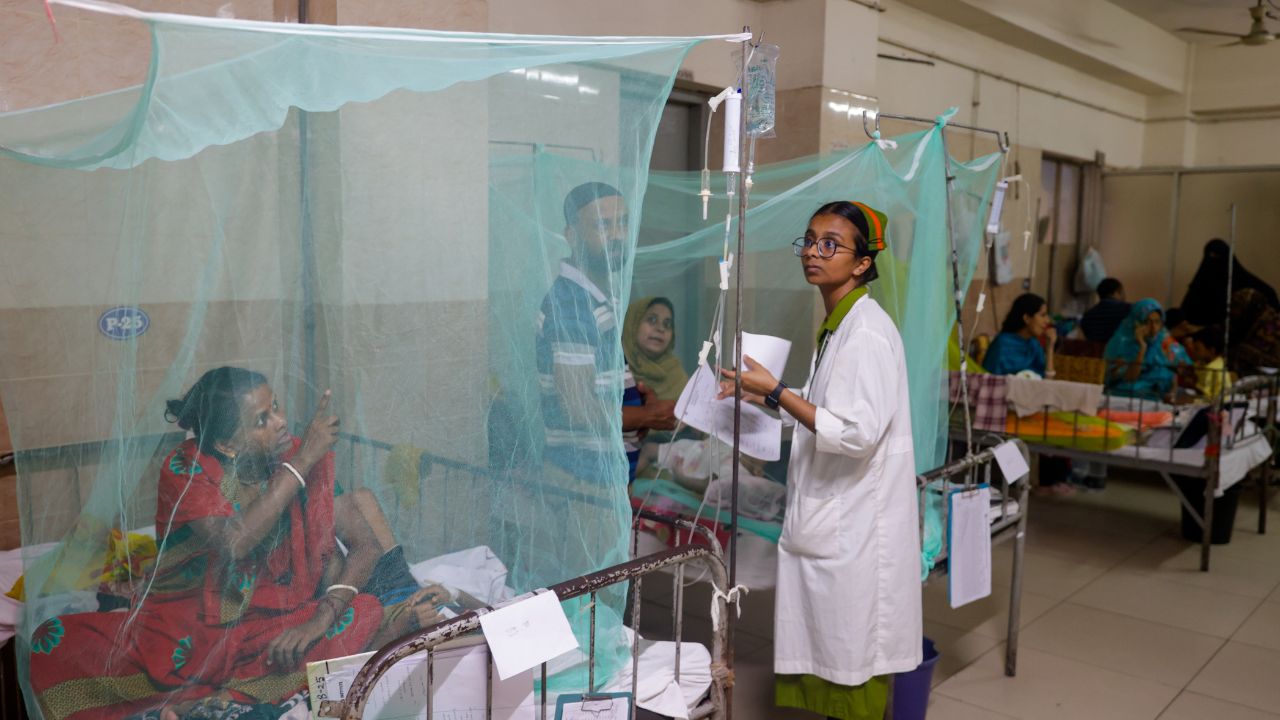


“I sat with the interim adviser and the staff on at least 10 occasions,” Flowers said, noting that UNICEF had consistently expressed concern over the risk of a vaccine outage if supplies were not imported in time.
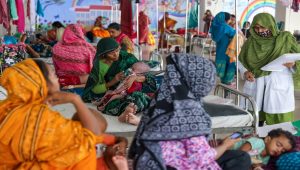
Addressing the country’s measles situation, she observed that cases have been reported in Bangladesh every year, with data since 2019 showing infections across various regions.
She explained that infection trends indicated many children had missed routine immunisation coverage, which subsequently prompted the government to launch vaccination campaigns.
“Our goal now going forward is regular vaccination,” Flowers said, highlighting the urgent need to strengthen routine immunisation to prevent future outbreaks.