For sixteen years, Sheikh Hasina presided over Bangladesh through a system marked by centralised authority, an empowered security apparatus and a continuous narrowing of political space. From 2009 to 2024, opposition parties repeatedly accused her government of extrajudicial killings, enforced disappearances, arbitrary detentions, the misuse of counterterrorism powers and politically motivated prosecutions. Human rights organisations documented scores of cases involving secret detention sites, including the facility commonly known as Ayna Ghor, and highlighted a lack of independent oversight over security agencies.
The protests of July and August last year unfolded against this broader backdrop. Triggered by students’ deep frustration and anger over quota system for government jobs, the demonstrations quickly spread across major cities and university hubs. By mid-July, the streets saw an unprecedented youth-led mobilisation in the country’s history. Confrontations rapidly escalated, with all the branches of law enforcement deployed nationwide.
According to the United Nations fact-finding mission, whose report was released on 12 February in Geneva, the force used against protesters was extraordinary. The mission found that as many as 1,400 people may have been killed between 1 July and 15 August, and thousands were injured, “the vast majority” of them by gunfire from Bangladesh’s security forces. Between 12% and 13% of those killed were children. Bangladesh Police separately reported 44 officers killed.
The UN described the state response as “brutal” and “systematic”, supported by testimonies, medical records, satellite assessments and forensic documentation. These allegations also surfaced in almost all media outlets, domestically and internationally, detailing the extent of the crackdown, the chain of command and earlier patterns of violence during Hasina’s tenure. These reports reinforced concerns that the July–August killings were not isolated incidents but part of a broader trajectory of state repression.

Despite this, Sheikh Hasina has consistently denied all responsibility. After fleeing to India following the collapse of her government, she began speaking to her followers. Even, she is giving interviews to multiple international media outlets rejecting the UN findings and claiming that security forces acted independently or excessively without her knowledge or authorisation.
Senior Awami League leaders—many now fugitives or facing court proceedings like their leader—mirrored her position. They have mounted a coordinated messaging effort dismissing the UN’s casualty figures, questioning its methodology and labelling ongoing legal processes as politically driven. According to political observers, this operation has been supported by vast sums of money allegedly siphoned out of Bangladesh during Hasina’s rule, enabling the former ruling party to sustain a well-organised propaganda campaign abroad.
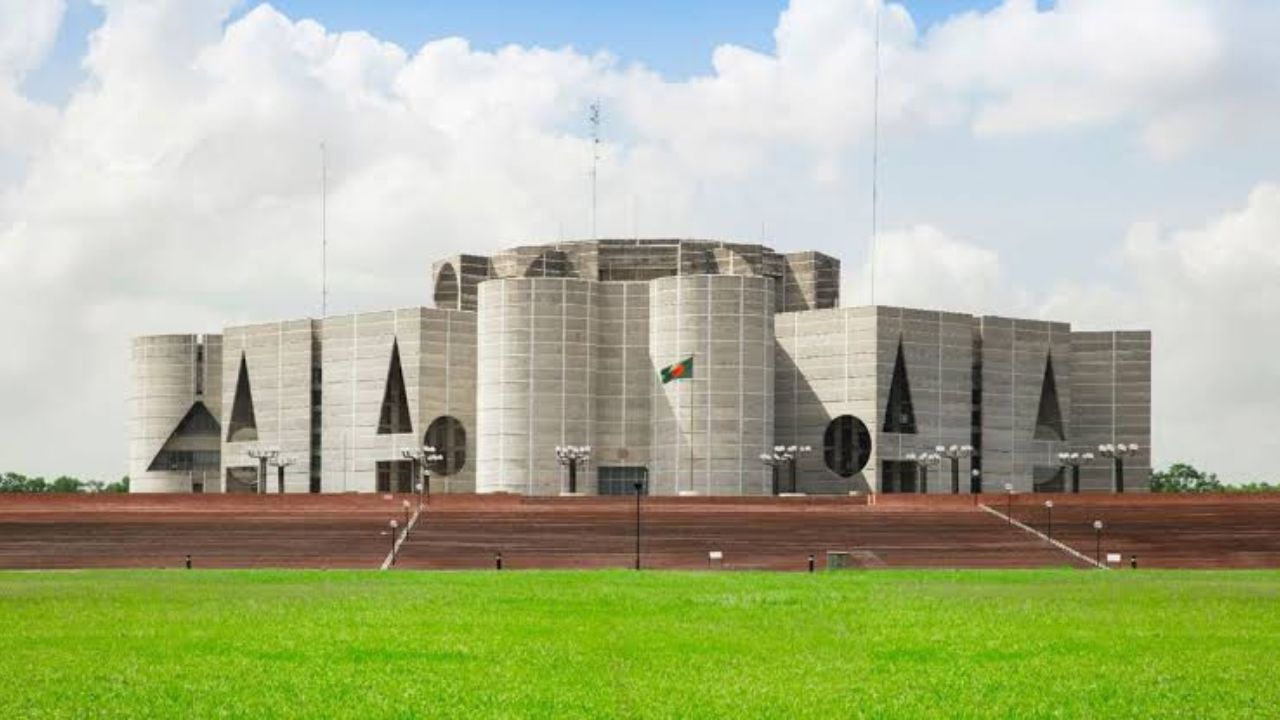



The structure of Hasina’s administration, however, presents a contrast with her claims. Domestic and international analysts consistently described Bangladesh under her rule as a highly centralised state in which significant security deployments and major operations were closely coordinated with the executive. Over the years, senior officials in key agencies were widely seen as aligned with—and dependent upon—the prime minister’s office.
Findings of UN and others support this assessment, pointing to consistent patterns of conduct across different districts and units. For many observers, the scale, duration and uniformity of the crackdown make it unlikely that the events were driven by isolated commanders acting without political direction.
Very recently, several districts reported subversive activities by Awami League followers. Authorities linked these incidents to attempts to influence public sentiment and, in some cases, to the timing of key judicial decisions. Tensions rose particularly around the announcement of a verdict date in a case against Hasina, with reports suggesting that some elements within her support base sought to create instability. Officials stated that this occurred amid perceptions that statements from Hasina in Delhi had emboldened sections of the party, contributing to the unrest.
These developments revived long-standing questions about the networks established during her tenure and the degree to which political allegiance shaped the behaviour of law enforcement and local party structures. Critics argue that the actions of party loyalists after her flight were consistent with the broader environment of impunity cultivated over many years.
Debate within Bangladesh’s civil society now centres on why Hasina, despite the extensive evidence placing the July–August violence within the broader framework of her governance, continues to deny all responsibility. Analysts point to several possible explanations: concerns over legal consequences, preservation of political legacy, cohesion within the Awami League’s overseas networks and the strategic use of denial to maintain narrative control among supporters. Some also note the extent of resources available to party figures abroad, which has allowed for sustained messaging efforts aimed at discrediting investigations and judicial processes.
For families of those killed and injured, the former prime minister’s rejection of the findings of UN and media and the continuing propaganda campaigns from abroad have deepened frustration. Civil society groups maintain that without acknowledgement from those who held the highest authority, achieving meaningful accountability for the violence will remain difficult.
As inquiries and legal proceedings continue, the tension between the documented scale of the July–August crackdown and the former prime minister’s persistent denials remain a central challenge for Bangladesh’s search for truth and justice. For many, the legacy of that period will be defined not only by the casualties themselves but also by the refusal of senior leaders to acknowledge what happened under their watch.