
The University Grants Commission (UGC) is working to narrow the gap in quality and institutional capacity between the country’s public and private universities through reforms aimed at improving higher education standards.
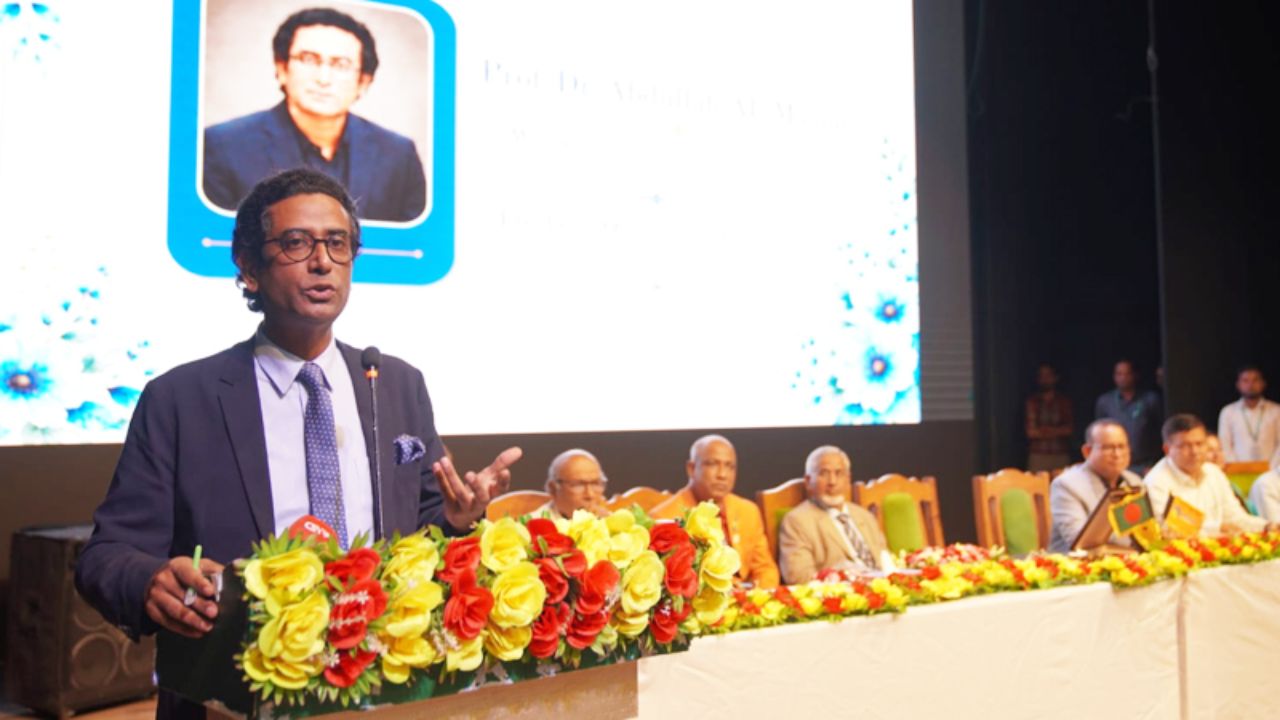
UGC Member Abdullah-Al-Mamun made the remarks while addressing the orientation programme for new students of Teesta University’s July-December 2026 semester at the Rangpur Shilpakala Academy auditorium on Tuesday afternoon.
He said visible disparities remained between public and private universities in research capacity, faculty development, laboratory and technological infrastructure, international collaboration, quality assurance and employment-oriented curricula.
The UGC was implementing a series of reforms and policy initiatives to ensure that students receive comparable standards of higher education regardless of the institution they attend, while accelerating the country’s overall human resource development, he said.
Abdullah-Al-Mamun said the draft strategic action plan for higher education transformation prepared by the UGC proposed bringing universities under an integrated digital network, strengthening industry-academia collaboration, developing modern and quality curricula, reinforcing internal and external quality assurance systems, increasing investment in research and promoting good governance.

He said the plan also placed emphasis on developing students’ skills, fostering innovation and preparing graduates to compete internationally.
Referring to the orientation programme, the UGC member said admission to university marked the beginning of a new chapter in a student’s life and laid the foundation for future career and personal development.




He urged students to make proper use of their time from the outset, study regularly and focus on self-improvement.
Abdullah-Al-Mamun also stressed the importance of research, information technology skills, problem-solving ability, creative thinking, ethical values and leadership alongside classroom learning to meet the challenges of the Fourth Industrial Revolution.
He said universities should not be viewed merely as institutions that award degrees but as centres for producing skilled, humane, innovative and responsible citizens.
He encouraged students to participate actively in research, co-curricular activities, social initiatives, voluntary work and innovation projects in addition to academic studies, saying such activities prepared them to face real-life challenges.
The UGC member said Teesta University had been established to expand access to quality higher education and research opportunities in the northern region.
He said there would be no compromise on maintaining the quality of the university’s education, research and academic activities.
The university aims to become an internationally recognised institution through modern infrastructure, qualified faculty, a research-friendly environment and technology-based education, he said, adding that cooperation from local communities, guardians, students and other stakeholders would be essential to achieve the goal.
Begum Rokeya University Vice-Chancellor Prof Md Shawkat Ali attended the programme as the special guest, while Teesta University Vice-Chancellor M Abul Kashem presided over the event.
Chairman of the university’s Board of Trustees Md Ashraful Alam Al-Amin, along with teachers, officials, students and guardians, also attended.
The government approved the establishment of Teesta University to expand quality higher education and research opportunities in the northern region, increase access to higher education for local students and develop skilled human resources to support regional development.