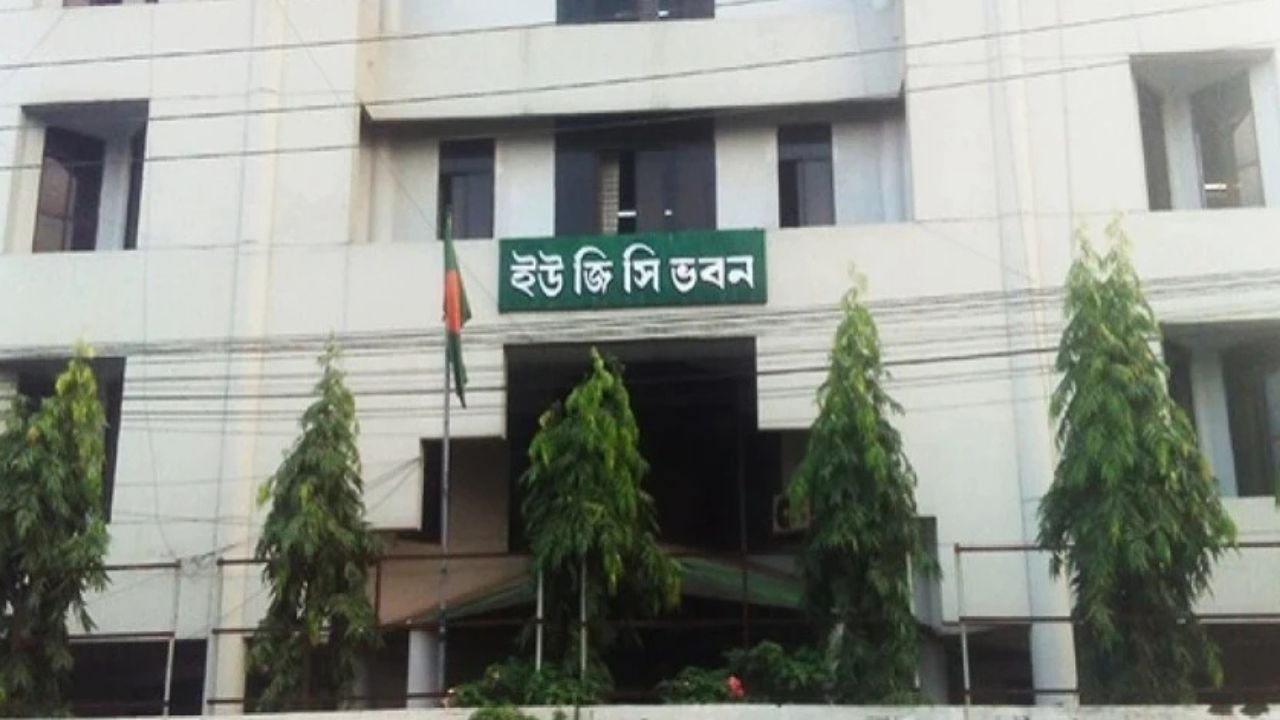

Several private universities had initially decided to suspend classes and exams on Thursday, shifting to online sessions amid security concerns, after sudden crude bomb explosions and arson attacks on vehicles shook the capital.
However, the decision was revised on Wednesday after intervention from the University Grants Commission (UGC). Although the universities will now continue academic activities, they will keep their own transport services suspended.
Shanto-Mariam University of Creative Technology Registrar Dr Md Par Mosiur Rahman told TIMES of Bangladesh on Wednesday evening that all classes, exams and regular activities at the university will continue on 13 November.
The university had earlier issued a notice on Tuesday saying classes and examinations on 12 and 13 November would remain suspended. Asked about the revision, Mosiur said the earlier decision had been taken due to fears of sabotage and the decision has now been changed.

On Monday evening, miscreants set fire to a bus of Shanto-Mariam University in the Dhanmondi area, prompting private universities to issue alert notices on Tuesday.
This development prompted the Ministry of Education to take action, and the UGC began discussions with private universities on Wednesday to ensure academic activities continue.




Earlier on Tuesday, North South University (NSU) had announced that regular classes on 13 November would be cancelled, and only online classes would be held, citing “unavoidable circumstances.” After discussions with the UGC, the university reversed its decision.

NSU Registrar Dr Ahmed Tazmeen told TIMES that the authorities changed their decision following UGC directives and that all classes and activities would continue on 13 November, with students informed by email.
East West University and University of Liberal Arts Bangladesh (ULAB) had also declared suspension of regular classes and exams citing security concerns.
In a revised notice, ULAB said its transport service would remain suspended following recent incidents of bus arson in Dhaka, urging students, faculty and staff to avoid unnecessary travel for personal safety reasons.
University Grants Commission Member Professor Dr Mohammad Anwar Hossen said, “The UGC is working to ensure education continues without disruption. The UGC was not informed beforehand about the decisions to take classes online.
“The UGC is maintaining communication with private universities to avoid any communication gaps and issuing guidance accordingly.”
During the Covid-19 pandemic, a provision had allowed private universities to conduct 30% of classes online. The policy was not revoked or suspended later, which some private universities cited while taking their initial decisions.
An academic, speaking on condition of anonymity, told TIMES that universities can move to online classes under special or emergency circumstances, but such decisions should not be taken unless absolutely necessary, as they risk disrupting the academic environment.