
A preliminary agreement by the Trump administration to permit Saudi Arabia to enrich uranium without standard international safeguards remains in a state of uncertainty, pending the signature of President Donald Trump.
While negotiations for civilian nuclear programme concluded in October 2025, the draft accord has yet to be finalised. Sources told CNN that ongoing conflict with Iran, partially initiated by the US to prevent Tehran from developing nuclear weapons, has contributed to the delay in signing.
Additionally, some members of Congress believe the administration is hesitant to proceed due to the possibility of a bipartisan resolution aimed at blocking the deal.
Unprecedented terms
The proposed “123 agreement” is a baseline legal framework required for US organisations or the government to transfer nuclear technology and materials to a recipient nation’s civilian programme.

However, briefings provided to Capitol Hill earlier this year indicate the deal includes a “special arrangement” allowing for domestic uranium enrichment or plutonium reprocessing.
A source told CNN that experts have described such a provision as “unprecedented” for this type of cooperation. While the US has reportedly included certain stipulations regarding the enrichment process, specific details on these limitations remain undisclosed.
Typically, nations with civilian reactors purchase enriched uranium from external vendors like the US or Russia under rigorous international supervision rather than producing it domestically.



Safeguard concerns
A significant point of contention is the absence of a requirement for Riyadh to adopt the International Atomic Energy Agency’s (IAEA) “Additional Protocol”.
This standard serves as an enhanced safeguard, allowing the UN’s nuclear watchdog to verify non-proliferation commitments through technology monitoring and in-person inspections.


Instead, the current draft relies on a bilateral safeguards agreement strictly between Washington and the kingdom, according to a State Department letter and an administration waiver reviewed by CNN.
Experts told CNN that without stringent, internationally recognised safeguards, the deal could offer Saudi Arabia a potential path toward nuclear weapons.
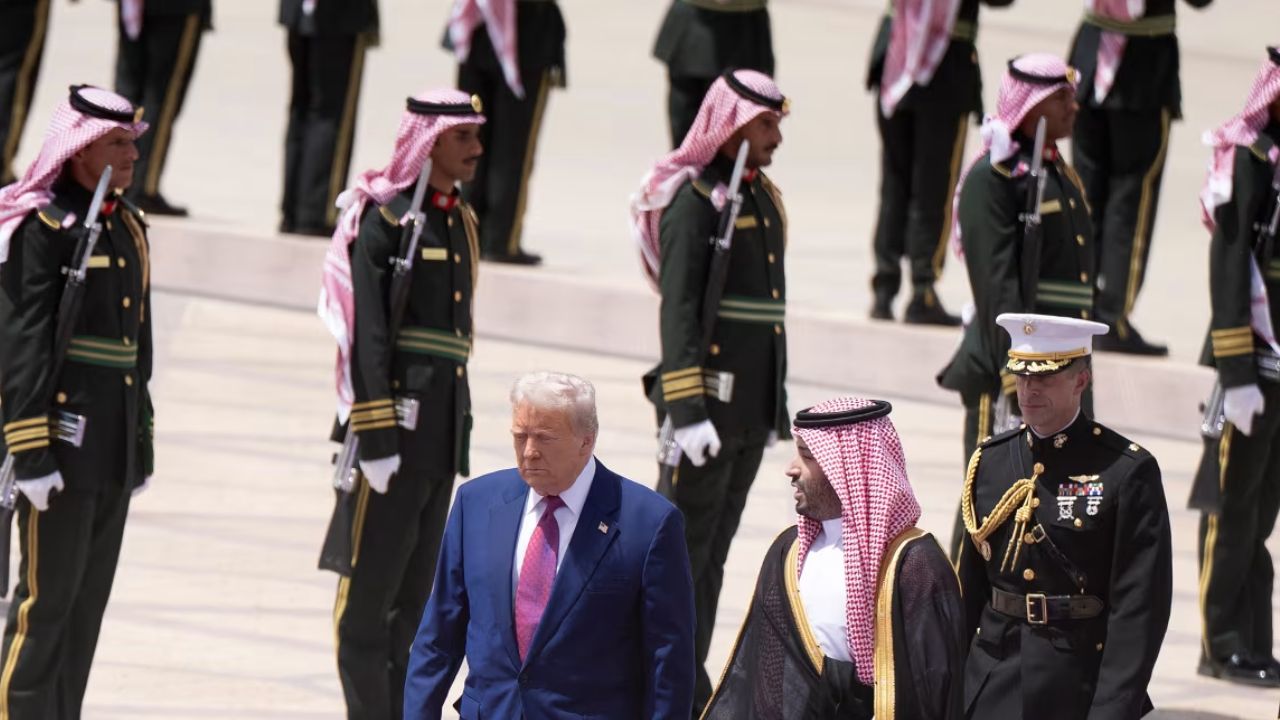
This concern is underscored by previous statements from Crown Prince Mohammed bin Salman, who has asserted that Saudi Arabia would develop its own nuclear capabilities should Iran acquire a bomb.
Official stance
In October 2025, US Energy Secretary Chris Wright announced the conclusion of negotiations, stating that the partnership aimed to export American nuclear technology while maintaining a “firm commitment to non-proliferation”.
However, the White House declined to answer recent queries from CNN regarding the status of the agreement, referring instead to the Secretary’s previous statement.
Saudi Arabian Embassy in Washington, DC, has not responded to requests for comment. Under federal law, once the president signs the agreement, it must be submitted to Congress for a formal review period.