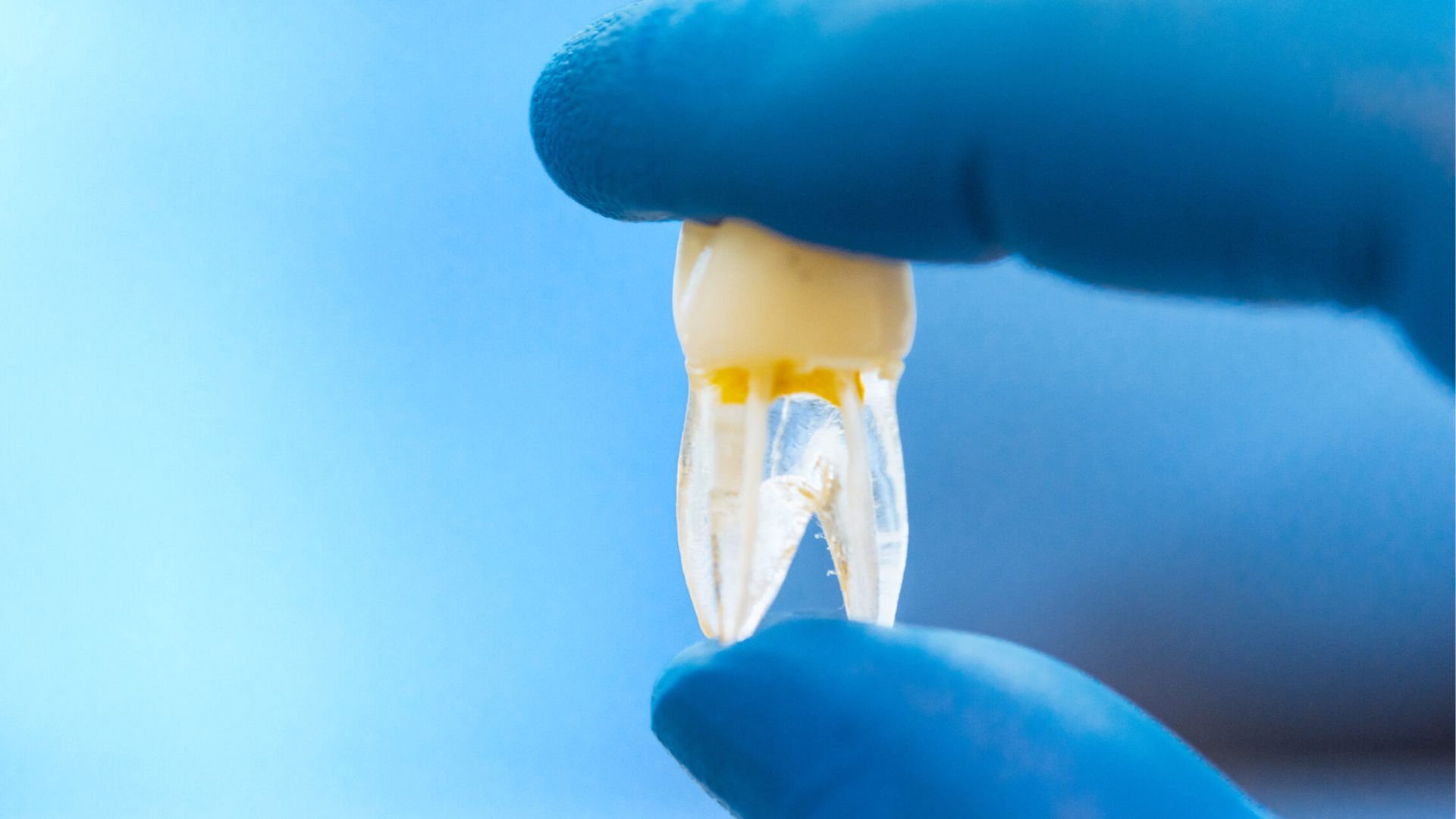



Millions of people around the world rely on fillings, crowns, and implants when they lose a tooth. But scientists are now exploring a once-unimaginable possibility: regrowing teeth using the body’s own natural healing mechanisms.
Across the globe, researchers are advancing the field of regenerative dentistry, which aims to replace broken or missing teeth with living tissues rather than artificial materials. The goal is not simply to repair a damaged tooth, but to restore it as a fully functional, biologically integrated part of the body.
Teeth are far more than tools for chewing. They play a vital role in nutrition, speech, and self-confidence. Moreover, mounting evidence links oral health to broader physical well-being, with poor dental health increasingly associated with conditions such as heart disease and diabetes. Tooth loss can severely affect quality of life, making eating difficult and contributing to social withdrawal.

Current dental treatments offer temporary solutions. Fillings and crowns can last for years but eventually require replacement. Traditional dentistry focuses on repairing damage, not restoring the tooth’s natural biological functions. Regenerative dentistry seeks to change that by encouraging the body to heal itself.
One promising area of research involves teeth that can repair themselves. Scientists are studying dentine-forming proteins and cells that sit beneath tooth enamel. Their findings could one day lead to treatments that stimulate existing teeth to regenerate dentine, potentially reducing the need for traditional fillings.




Other researchers are developing what could be called “living fillings.” By directing stem cells to produce dentine and enamel cells, they have mimicked tooth formation in the laboratory and generated enamel proteins. The ultimate goal is to use such technology to repair cracked or broken teeth.
The grander vision is to grow an entirely new tooth. Unlike humans, some animals (such as sharks) can regenerate teeth throughout their lives. Scientists are studying these natural processes to understand how tooth-forming cells might be harnessed for human use.
Encouraging progress has already been made in animal studies. One team successfully used human and pig cells to create tooth-like structures within a specially designed biological scaffold. After several months, these structures grew at a rate similar to natural pig teeth, offering compelling evidence that growing teeth naturally may one day be possible.
However, the technology remains in its infancy. Researchers caution that more studies, time, and investment are needed before such therapies can be tested on a broad scale in humans. Finding the right environment for a new tooth to grow in a human mouth remains a significant challenge.
For now, the prospect of a life without fillings, crowns, or artificial replacements is still distant. Yet regenerative dentistry offers a new vision for the future, one in which the body is encouraged to rebuild what it has lost, rather than merely repairing it.