For decades, manufacturing has been judged by one simple metric: how much it produces. But we believe the future will judge us differently by how responsibly we produce and by what we choose to do with what we leave behind.
In ceramics, for us, waste is an uncomfortable truth. Broken tiles. Firing losses. Residue sludge from water treatment plants. These are often seen as inevitable byproducts of progress; materials that quietly disappear into landfills, out of sight and out of mind.
But the environment never forgets. The soil remembers. The water remembers. And future generations will remember our choices.
At DBL Ceramics, we asked ourselves a difficult question: What if waste isn’t the end, but the beginning of something better?
During our water recycling process, we identified a residue sludge that couldn’t be responsibly discarded. Instead of ignoring it, we spent months researching, testing and collaborating with local chalk makers.

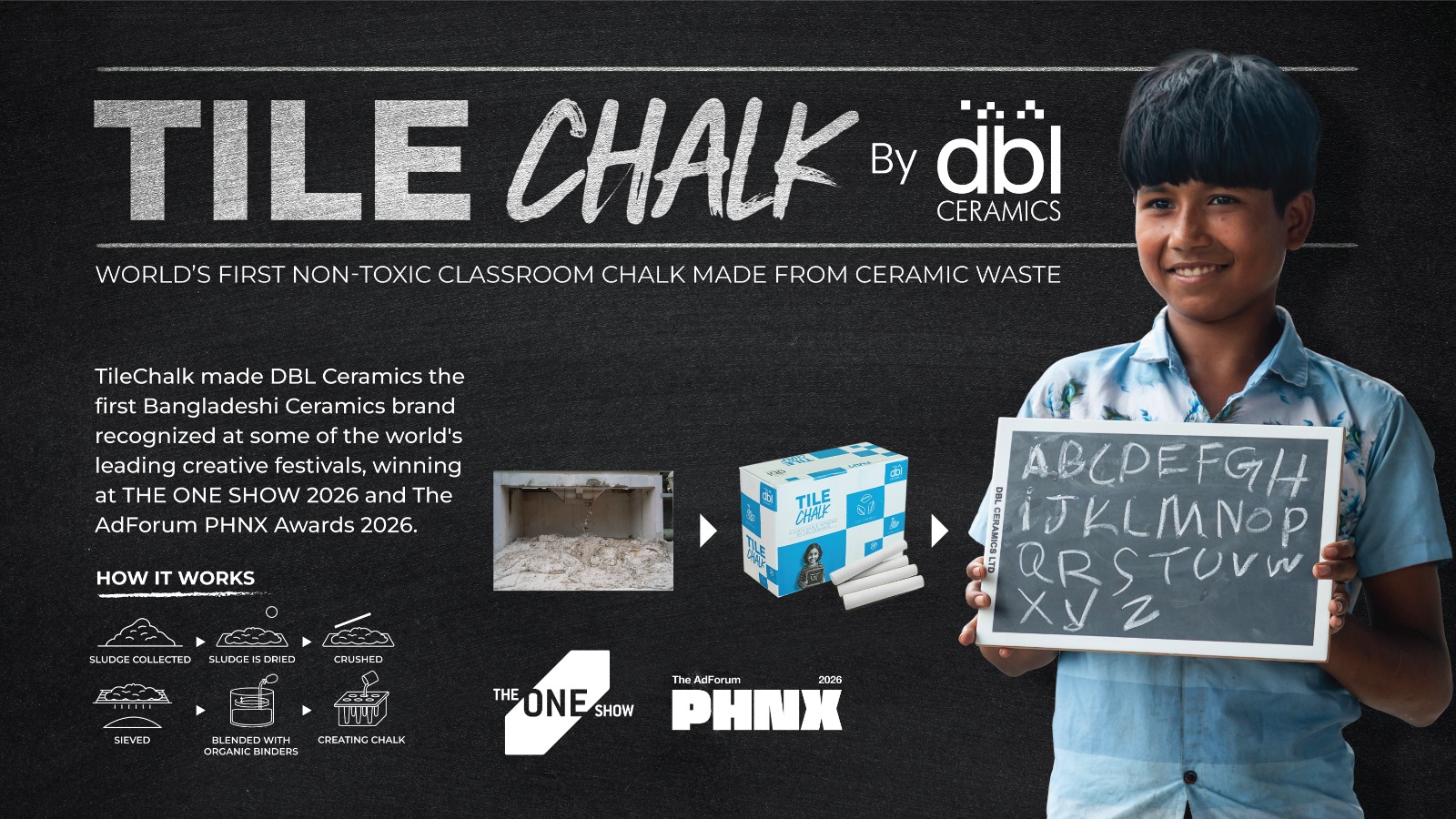
What we discovered was transformative, this so-called waste could be turned into chalk. That insight led to TileChalk.
Today, through close partnerships with local chalk manufacturers, we are consistently converting treated sludge into classroom chalk that is reaching thousands of schools across Bangladesh through trusted NGO networks.
We also repurposed broken tiles into classroom slates, reviving a simple, sustainable learning tool.



Think about that for a moment!
What was once industrial waste is now helping a child write their first alphabet. What once threatened soil and water is now shaping young minds.
If that’s not transformation, I don’t know what is. What has humbled me most is seeing how a solution born from a local operational challenge has resonated far beyond our factory walls.
In recent months, TileChalk has received recognition from global platforms such as The One Show, Spikes Asia, ADFEST and The AdForum PHNX Tribute.
While such recognition is deeply encouraging, it was never the destination we were chasing. Because the real achievement for us is much simpler and far more meaningful which is ensuring zero dumping inside our plants while placing learning tools into the hands of children who need them most.
If this journey has allowed Bangladesh to stand proudly on the global stage for sustainability-driven innovation, then that is something we carry with gratitude, not pride.
TileChalk is not a marketing campaign. It is a mindset.
That’s why we made the formula open-source. That’s why we wrote to our competitors and invited them to adopt it.
Because sustainability cannot be a competitive advantage, it must be a collective responsibility. At DBL Ceramics, we don’t just shape tiles. We shape responsibility. We shape awareness.
And through TileChalk, we hope we are shaping a future where children learn not just from blackboards but from the example we set as an industry.
Because one day, they will be the ones asking hard questions. And when they do, I want to be proud of the answers we leave behind.
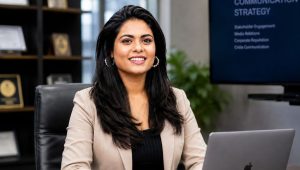
The writer is the Chief Business Officer, DBL Ceramics.