Barely three months into office, the BNP-led government of Prime Minister Tarique Rahman is already confronting mounting pressure, criticism and growing public unease.
Frustration is rising over the slow implementation of election pledges, weak administrative coordination, ministerial inexperience and soaring commodity prices.
Added to this are uncertainties in education and healthcare, alongside persistent concerns over law and order, all of which have begun to cast a shadow over the government’s image.
Political analysts say the administration now faces its first major test – whether it can retain public trust while coping with the harsh realities of governing the state.
Tarique was sworn in as prime minister on 17 February after a landslide victory in the 13th parliamentary elections held on 12 February.
The BNP’s return to power after 16 years had generated enormous expectations among party leaders, activists and the public, particularly over promises of price stability, employment, transparency and rapid development.

But after three months in office, visible progress remains limited, exposing the gulf between opposition politics and the realities of governance.
Most cabinet members are newcomers, with many serving as MPs for the first time.
Their lack of administrative experience has slowed decision-making, directly affecting project approvals and implementation.




At the ministries, officials say several ministers are still struggling to navigate policy-making, bureaucratic structures and file management.
The prime minister had unveiled a 180-day action plan that included canal excavation, farmer and family card distribution, agricultural loan waivers of up to Tk10,000 and measures to control commodity prices.
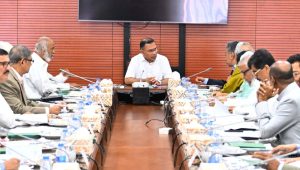
Despite regular meetings and district visits by the prime minister, implementation has remained sluggish.
Farmers say loan waivers have yet to begin fully, family card distribution is moving slowly and canal excavation projects largely remain confined to paper.
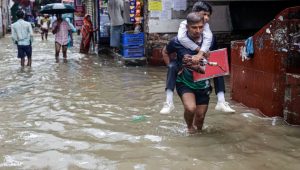
The market situation has emerged as the government’s most visible challenge. Prices of essentials including rice, pulses, oil and vegetables remain high, while announced market monitoring measures have had little impact.
Economists point to foreign debt, reserve pressures, rising import costs and global instability as key factors behind the crisis.
Business leaders, meanwhile, say the absence of a clear economic roadmap has deepened uncertainty in investment.
Concerns over law and order also persist. Although mob violence has declined since the interim government period, reports of organised attacks, extortion and sudden unrest continue.
Rumour-driven instability on social media remains a major challenge for law enforcement agencies.
Education and healthcare are also under strain. Revisions to SSC and HSC examination schedules to align with international systems have drawn mixed reactions from students and parents amid infrastructure limitations.
In the health sector, public anger is growing over delayed measles vaccines and medicine shortages in government hospitals, despite official assurances that supply gaps are being addressed.
The government’s parliamentary weaknesses were also exposed during the first session of the 13th parliament, where Bangladesh Jamaat-e-Islami played an active opposition role and repeatedly highlighted administrative shortcomings.
The administration now faces another critical challenge with the 2026-27 national budget set to be unveiled on 11 June.
Observers warn that if the budget imposes fresh taxes or additional burdens on ordinary citizens, public dissatisfaction could intensify even further.