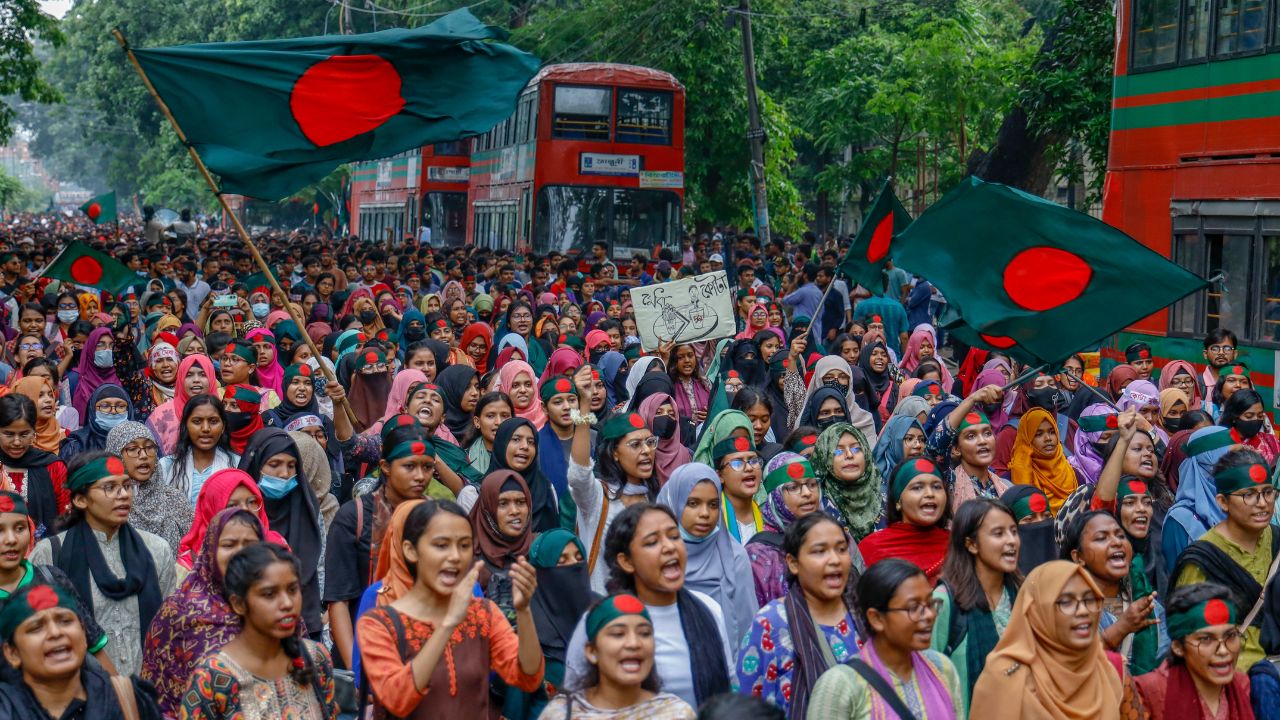

On the night of 14 July 2024, the students of Ruqayyah Hall did something Dhaka University had never seen from them before: they broke their own gate open.
Hours earlier, then prime minister Sheikh Hasina had dismissed the protesting students with a remark invoking “Razakar” – a word for wartime collaborators loaded with the worst connotations Bangladesh’s history holds.
By nightfall, the insult had turned into open defiance, and the women of Dhaka University’s halls were no longer waiting for permission to be heard.

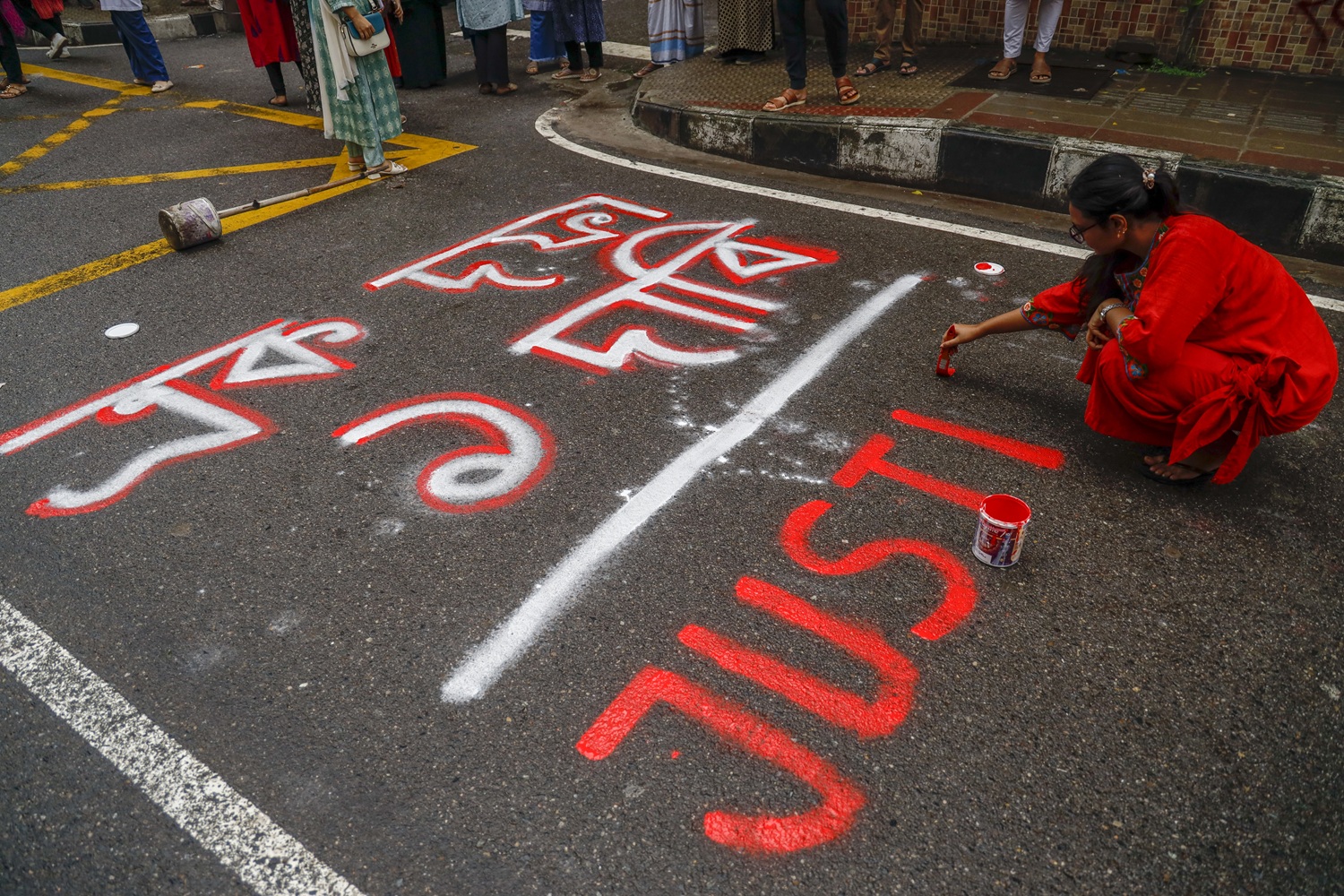
“That night, we made our own decision. We broke the locks of our hall gate and came out. I felt there was no room for silence anymore,” recalled Nasrin Akhter, a master’s student at Ruqayyah Hall. By dawn, students from Eden, Badrunnesa, Dhaka College and City College had gathered at Raju Sculpture, and the movement had outgrown campus walls entirely.
The backlash was swift and specifically targeted. On 15 July, roughly 500 armed activists from the ruling party’s student wing moved on a peaceful protest organised by the university’s female students, singling many out for beatings. “They came at us with hockey sticks and knives,” said Lamia Raihan, a third-year Eden College student.




Tabassum’s own path traces the uprising’s escalation almost exactly – from joining the Students Against Discrimination platform on 6 June 2024, to being named among the movement’s 65-member national leadership by 8 July, serving specifically as coordinator of its women’s movement.
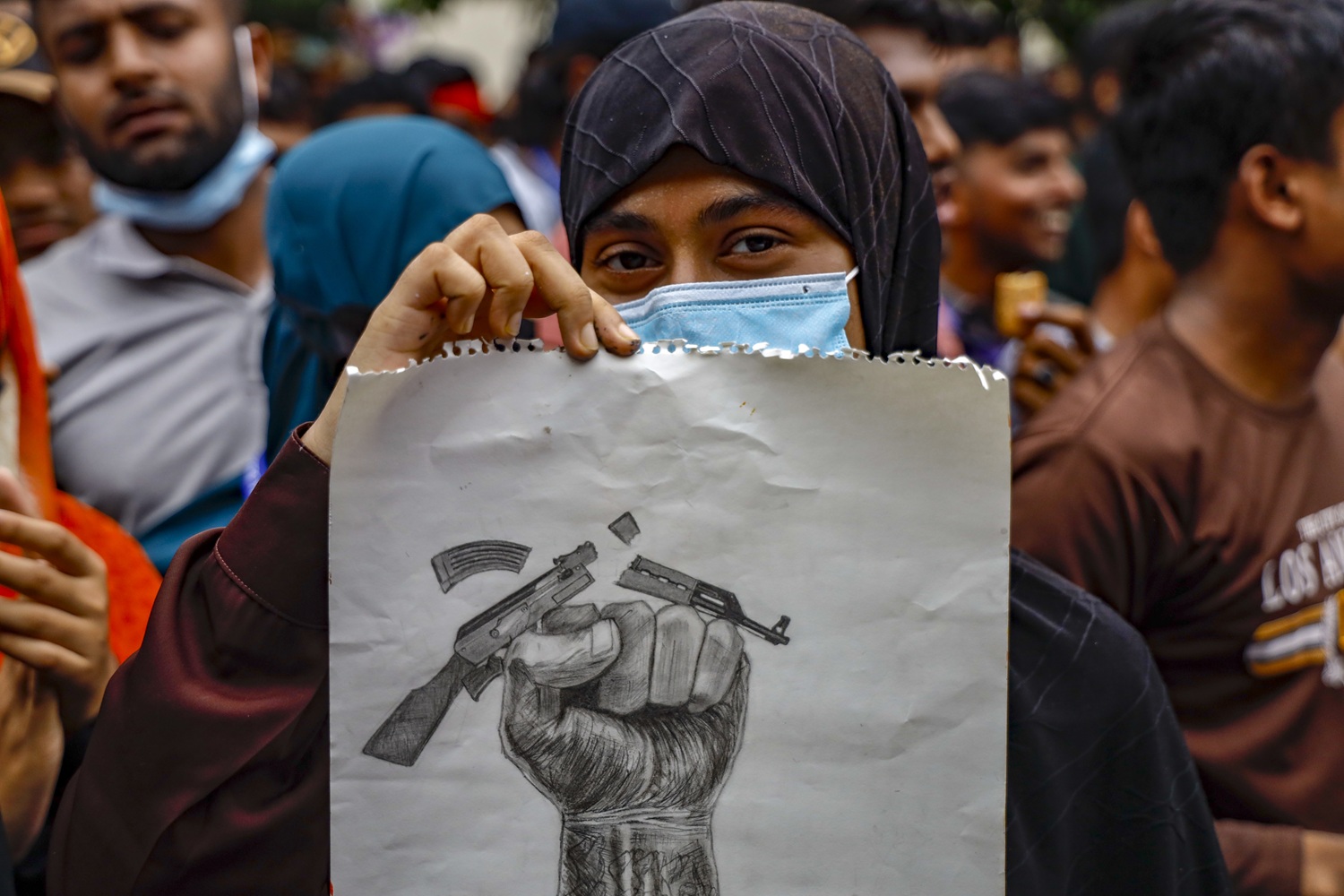
Government reports put the number of women killed during the crackdown at a minimum of seven; a Daily Star investigation later verified ten identities, including 16-year-old student Naima Sultana, who spent her free time sketching. The uprising’s overall toll remains contested – 819 confirmed domestically, versus a UN estimate closer to 1,400 – but consistently skews young.
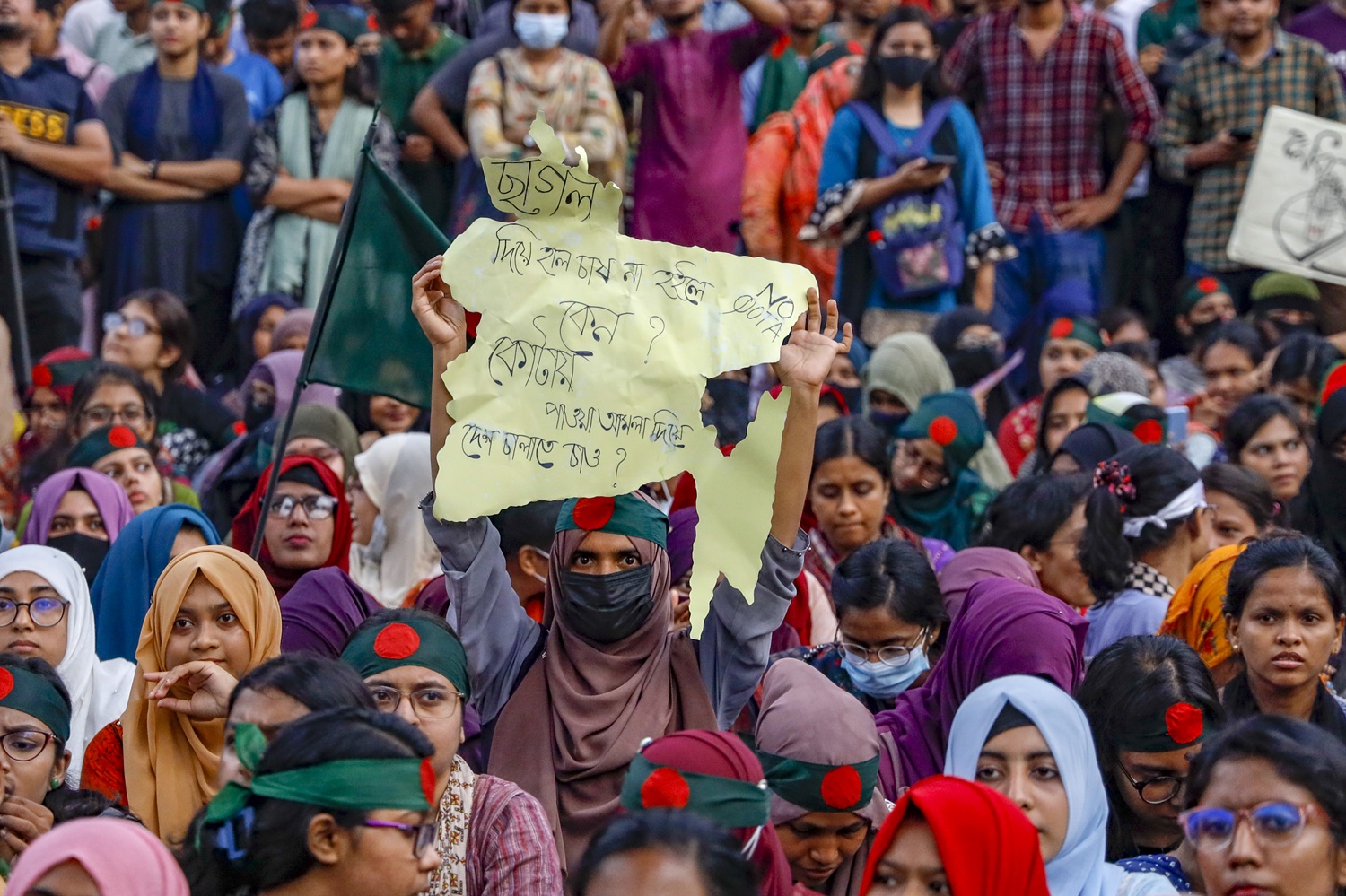
Women organisers have placed 2024 inside a longer lineage – an echo, they say, of the anti-Ershad protests of the 1980s, the 1971 Liberation War, and the 1952 Language Movement, each producing its own women willing to stand at the front.
Two years on, some of the uprising’s own women are asking where that leadership went politically. Tabassum became an MP and a party wing’s chief organise – one visible answer.
For many others who broke hall gates and marched into police lines, the more common story has been quieter: A return to ordinary life, largely uncredited. What isn’t in dispute, in their own words, is that in July 2024, as before, they didn’t wait to be invited to the front. They simply went.