





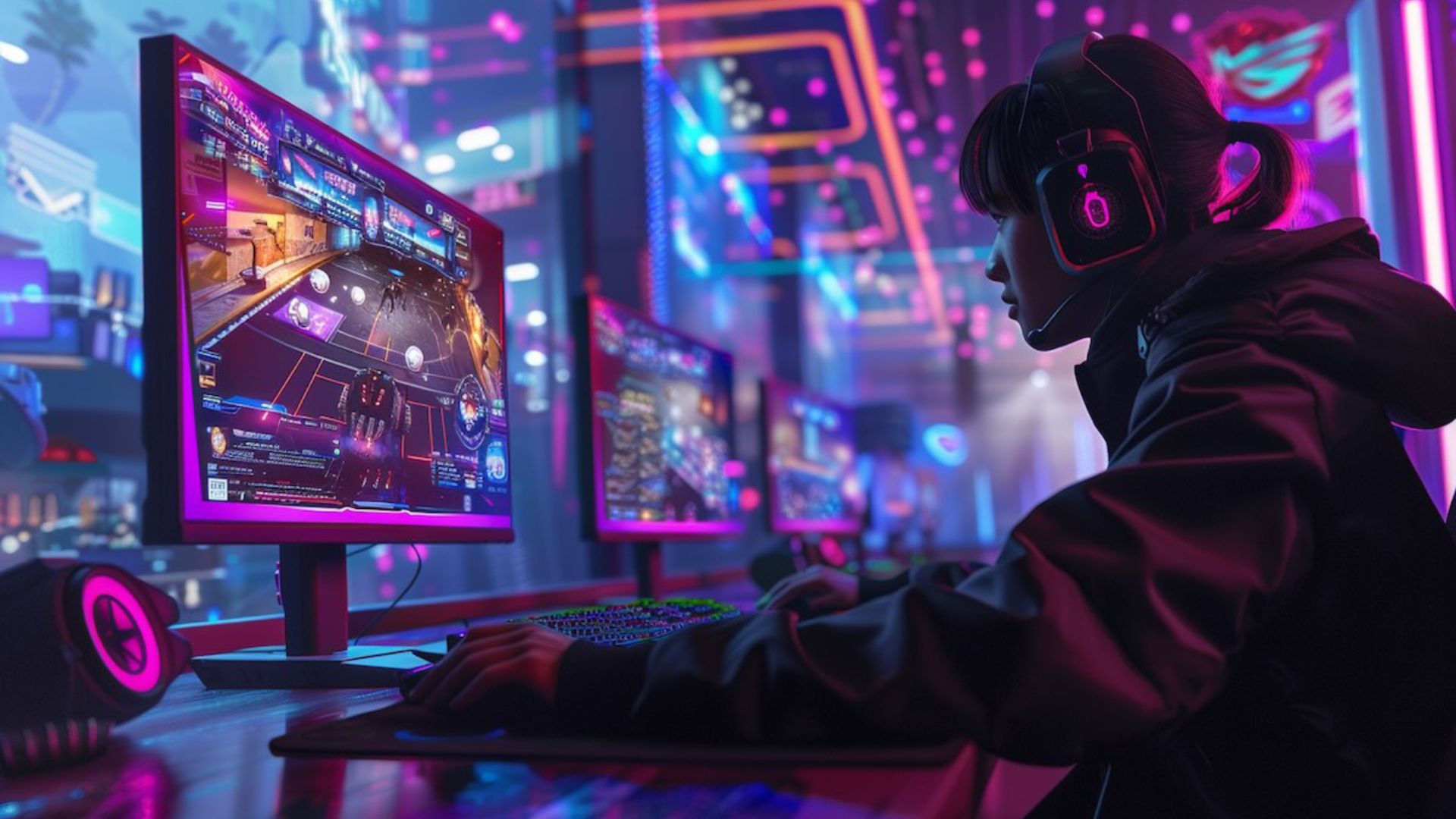
A promising round can still end on a lag spike. For many Bangladeshi gamers competing in online tournaments, the deciding factor isn’t always skill; it’s whether the connection holds. Unstable servers, high ping, and costly data remain persistent complaints among competitive players, particularly outside Dhaka, undercutting a talent pool that organisers and analysts increasingly believe is genuinely world-class.
The clearest sign of how far the sector has come is how recently it was banned outright. In 2021, Bangladeshi courts restricted access to PUBG Mobile and Free Fire – two of the titles most responsible for the country’s current gaming boom – citing concerns over addiction and social harm. Four years later, in July 2025, the Ministry of Youth and Sports formally designated e-sports an official sport, a reversal that unlocked public funding eligibility, official uniforms, and access to sports facilities for competitive gamers for the first time.
For families who once dismissed gaming as wasted time, the designation gave young players language they’d been missing: This is now, officially, a sport.
Bangladesh’s esports growth has taken a distinctly local shape. More than 85 per cent of the country’s gamers play primarily on smartphones, according to Statista, largely because high-end gaming PCs remain financially out of reach for most households.
Rather than a limitation, industry watchers increasingly frame this as Bangladesh’s competitive edge: A mobile-first generation training on the exact devices where much of South Asia’s esports growth is concentrated, with regional talent scouts reportedly monitoring Bangladeshi tournaments more closely each year.
Recognition alone doesn’t fix connectivity. Competitive gaming requires consistently low latency and stable bandwidth, and Bangladesh’s internet infrastructure (strong in parts of Dhaka, considerably weaker elsewhere) still falls short of what serious international competition demands. Analysts researching the sector have pointed specifically to nationwide broadband investment as the single infrastructure gap most likely to determine whether talent outside the capital gets a fair shot at competing at all.
Dedicated training centres, of the kind that support structured practice, coaching and scrimmage schedules in more developed esports markets, remain largely absent; most Bangladeshi players still train informally, often from home.
The organisational scaffolding is beginning to take shape. The Bangladesh Youth Development & Electronic Sports Association, established in 2021, has worked to professionalise the space, running national selections and tournaments, youth digital-skills programmes, and gender-inclusive initiatives, while pushing policy advocacy on issues from facilities to anti-doping standards.
The country already has a reference point for what a professional career can look like: Aga “Reaper” Rafsan, widely regarded as Bangladesh’s first professional e-sports athlete, competed internationally in titles including Warcraft III and StarCraft II well before the government recognised the field at all.
Academic researchers studying the sector’s growth point to the same remaining priorities: Sustained financial support for players, structured coaching and education, more frequent local tournaments, and greater international exposure, alongside the harder-to-legislate need for family and social acceptance of gaming as a legitimate profession.
The global esports market, valued at roughly $2.1 billion in 2024, is projected to grow past $7.5 billion by 2030. Bangladesh’s current share of that figure remains modest. But between official recognition, a mobile-native talent base, and growing regional scouting interest, the pieces increasingly exist for that to change, provided the connection, literally, holds long enough to let the talent show.


