There was a time when a visit to the neighbourhood photo studio marked a special day. Long before smartphone cameras turned every moment into a photograph, families planned studio visits as carefully as they planned weddings or Eid celebrations.
Children wore their newest clothes, mothers adjusted every strand of hair, and fathers stood proudly in freshly ironed shirts.

Beneath warm studio lights and against painted backdrops of gardens, palaces or waterfalls, photographers patiently crafted portraits that would later occupy living-room walls for decades.

Those studios were more than businesses. They were memory factories. Today, that world has almost disappeared.

Across Dhaka, the once-familiar signs advertising colour labs and portrait studios are fading, peeling and, in many cases, gone altogether.

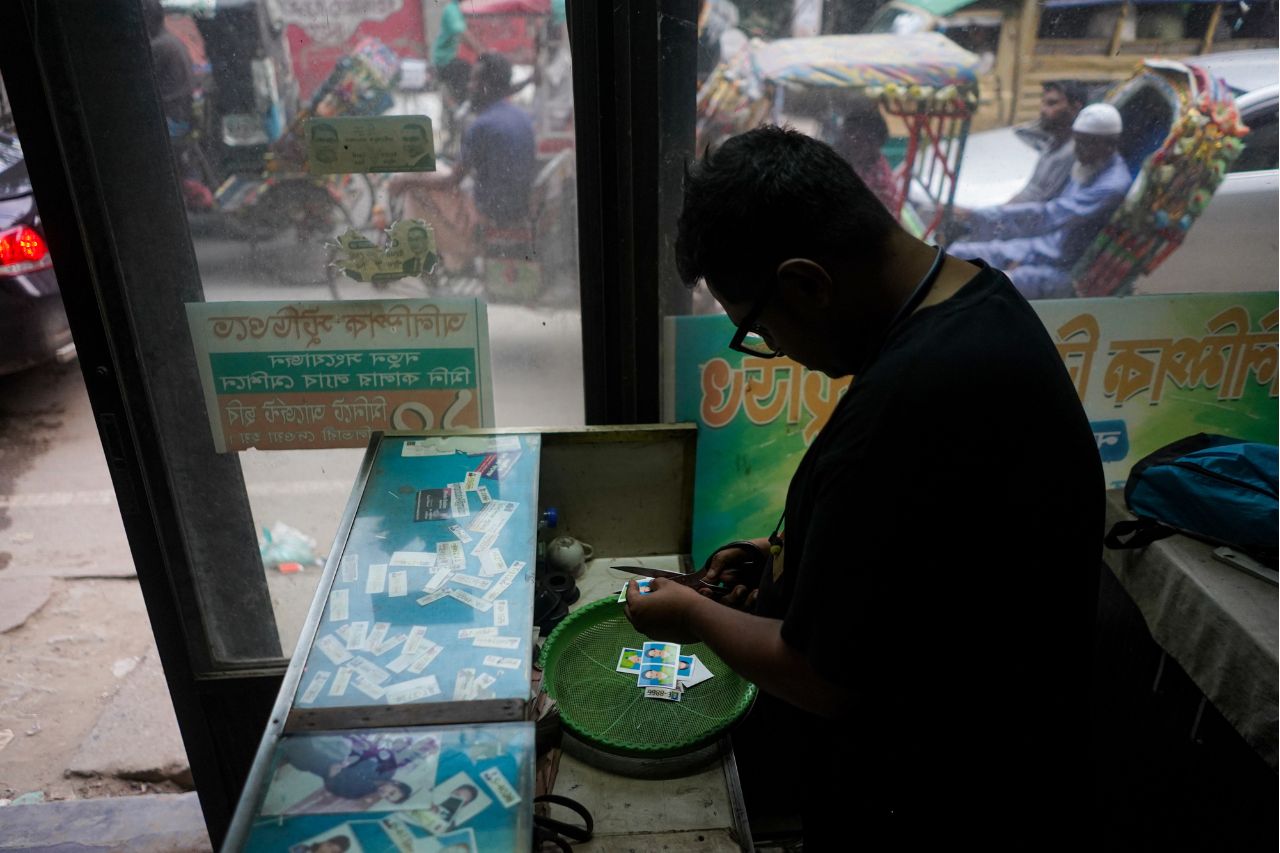
Bangladesh reportedly had nearly 3,00,000 photo studios at the industry’s peak. Now, only a few hundred ordinary studios remain nationwide, with roughly 50 fully equipped digital labs still operating in the capital. Many survive only because passport and visa photographs remain unavoidable.



Walk into one of these studios today, and the atmosphere feels strikingly different. The elaborate sets have been replaced by a plain blue or white backdrop. The photographer no longer asks customers to relax or smile naturally.

Instead, they simply straighten a collar, click the shutter and print a standard 2×2-inch photograph within minutes. The customer leaves almost as quickly as they arrived.
The transformation reflects more than technological progress. It marks a cultural shift in how people value photographs themselves.
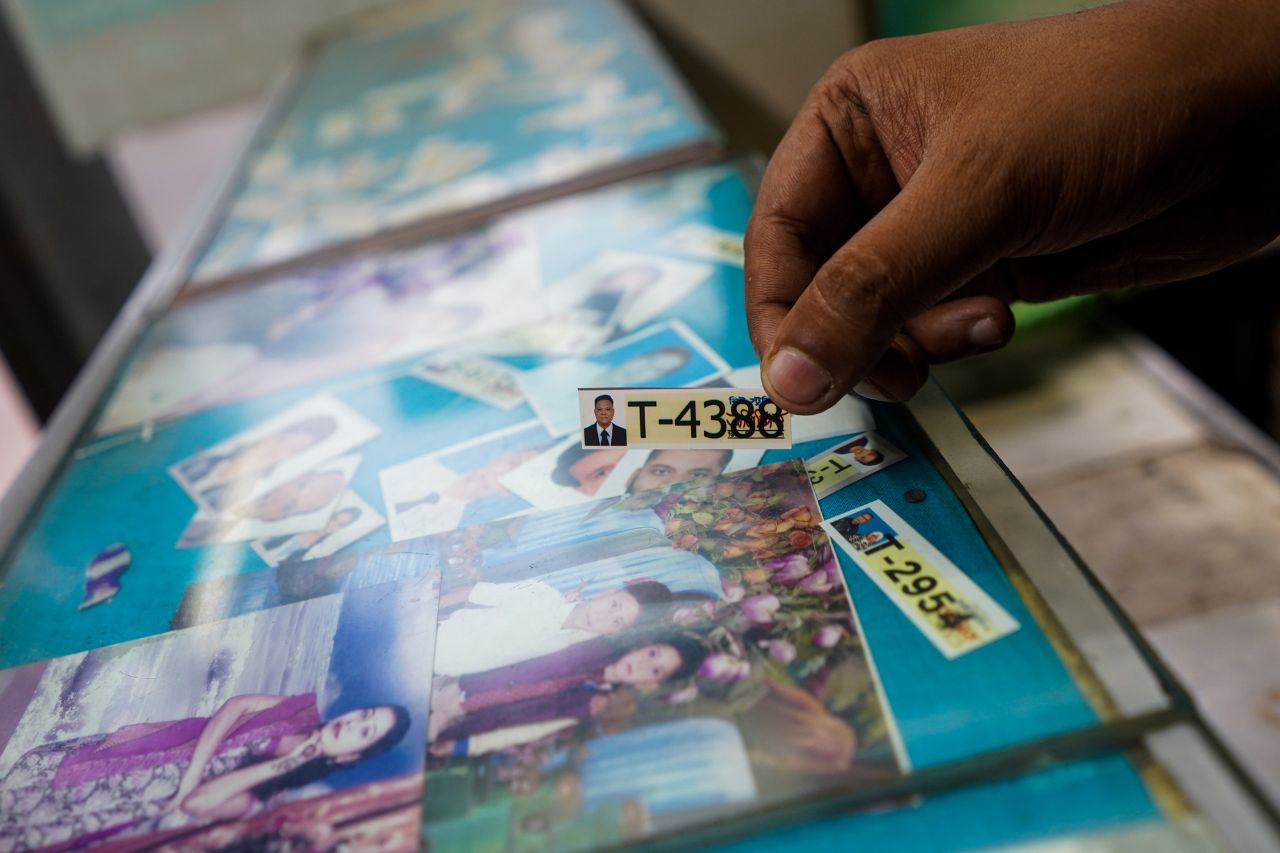
Smartphones have made photography effortless, placing powerful cameras in billions of pockets. Every meal, outing and celebration can now be captured instantly, filtered and shared within seconds.
Ironically, in making photography universal, the digital age has made portraits feel less permanent.

The surviving studios now stand as quiet reminders of an era when photographs were precious because they were rare. Behind their ageing signboards and silent waiting rooms lives a profession that once preserved the milestones of countless Bangladeshi families.
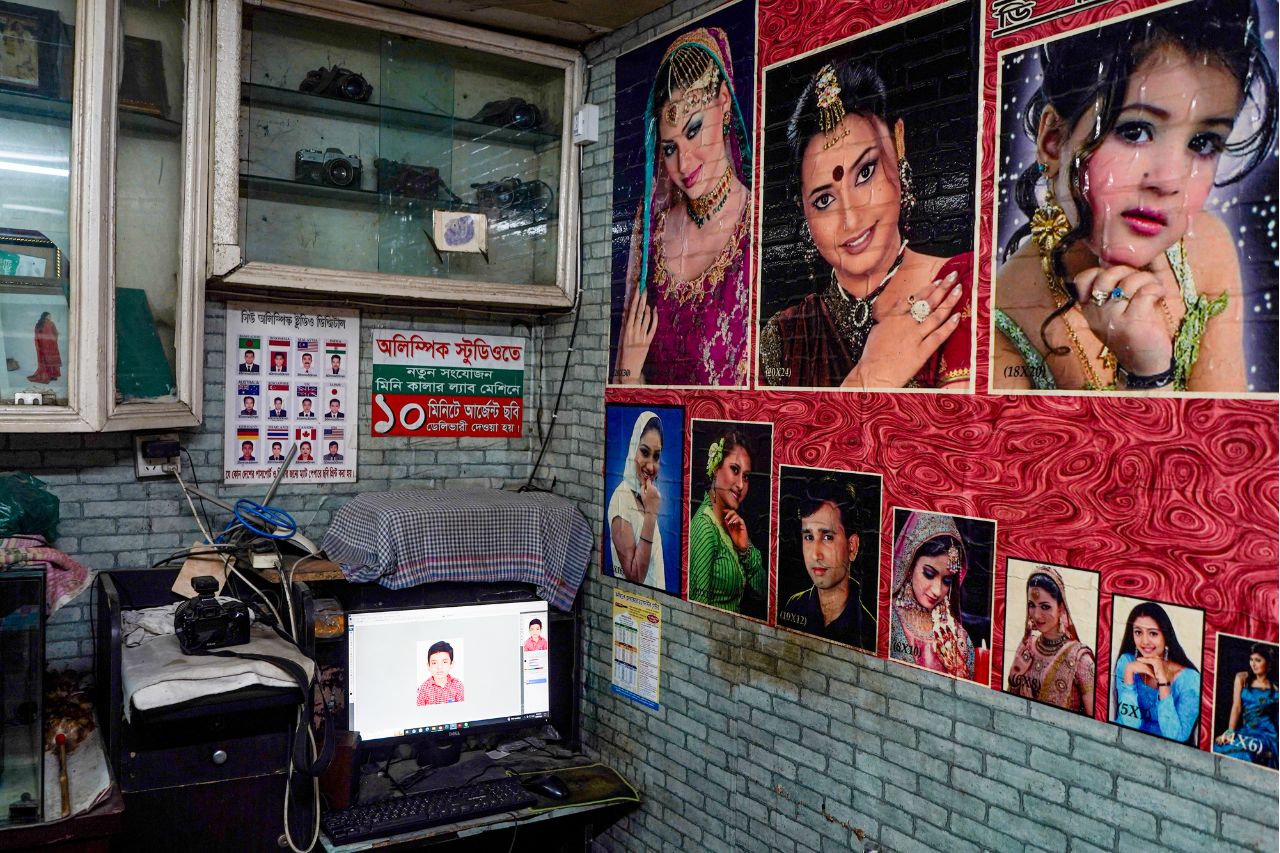
As memories migrate to cloud storage and social media feeds, these studios continue to wait, less for customers than for a time when a photograph meant something worth dressing up for.