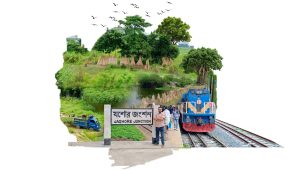
For most of human history, nature wasn’t a destination; it was home. But now, in the hum of our cities surrounded by concrete, traffic and glowing screens, being in nature feels like a distant luxury. Yet, both science and experience keep reminding us of one simple truth: nature heals. Whether it’s the soft rustle of leaves, the smell of rain on soil or the rhythmic crash of waves, something deep inside resonates. We find peace when we reconnect with the natural world.
From improving our health to recharging our minds- the benefits of being in nature go far beyond what we can see. Studies show that even a short walk through a park can lower one’s stress levels, reduce blood pressure and improve mood. Exposure to natural sunlight increases serotonin, which is also called the ‘feel-good’ hormone. It also provides us with Vitamin D, an essential micronutrient for our bodies.
Being in greenery can calm the brain’s stress centres. Even simply breathing fresh air amidst nature can noticeably improve lung and heart function.
Fajilatunnesa Karim works in a corporate office based in Dhaka. After a long day chained to her desk, she finds relief in nature. “I have a treadmill at home. But I always go to the park for a walk. Being amidst nature and breathing fresh air refreshes my mind and body,” she says.

Ritu, a 25-year-old student, has similar feelings about nature. “Nature always calms me down. When I am feeling low, when I need to get out of the chaos of the city- that is where I go,” she says.
Shamim Hasan, a 30-year-old journalist, thinks that we need to preserve the nature around us if we truly care about people’s wellbeing. “Nature is an inseparable part of our lives. We can’t afford it to be an afterthought in our cities,” he says. “Whenever I get a day off, I leave behind this concrete jungle and spend time in the hills.”




Simply put, time spent outdoors amidst nature works as a quiet antidote to the anxieties of modern life. Our ancestors understood this instinctively. They lived by the rhythm of the seasons and found comfort in the land, rivers and the rain.
Today, many of us have lost that connection. We wake to the loud metallic ringing of alarms instead of birdsong and end our days in the blue light of our phones. And while urban life has brought convenience, it has also distanced us from the very source of our calm- the very earth itself.
In Bangladesh, this disconnection is deepening every day. Parks are shrinking, rivers are choking under pollution, and open spaces are vanishing under high-rises. It is worst in Dhaka, where the pace of life leaves little room for pause. Yet, all of those who take the time and get the place speak of the same feeling- a lightness, a pause, a return to something real.
Experts call this deep human need ‘Biophilia’- our innate desire to seek connection with nature and other forms of life. This connection has tangible effects on our body and mind. Green surroundings can even be linked to faster recovery from illness. Hospitals with natural views report better patient outcomes. Children who play outdoors regularly show greater confidence and emotional stability.
Perhaps the most profound effect of nature is how it humbles and heals at once. Standing beneath the tall banyan trees of Suhrawardy Udyan or gazing at the endless horizon in Cox’s Bazar, life’s worries shrink. The universe feels larger than our troubles, and somehow that brings peace and comfort.
We don’t need to travel far to find healing. Sometimes it begins on our rooftops with a few potted plants, a quiet evening on the veranda, or a morning walk by Dhanmondi Lake. In those moments, we remember that we belong to this air, this earth, this rhythm of life that continues around us. Nature doesn’t just heal the body. It reminds the heart where home truly is.