A sprawling complex built at a cost of Tk 117 crore now stands eerily silent in Sylhet. Its polished glass walls clouded with neglect, its vast halls echoing with emptiness. The Sylhet Central Bus Terminal, once hailed as one of the country’s most modern and aesthetically striking transport hubs, today resembles a ghost town.
The terminal complex is nothing short of ambitious in design. It features separate arrival and departure terminals, a five-storey circular administrative tower, a modern control room, police and tourism information centres, restaurants and a food court, VIP lounges, breastfeeding and smoking zones, and separate prayer facilities. There are dedicated restrooms for men, women and persons with disabilities.
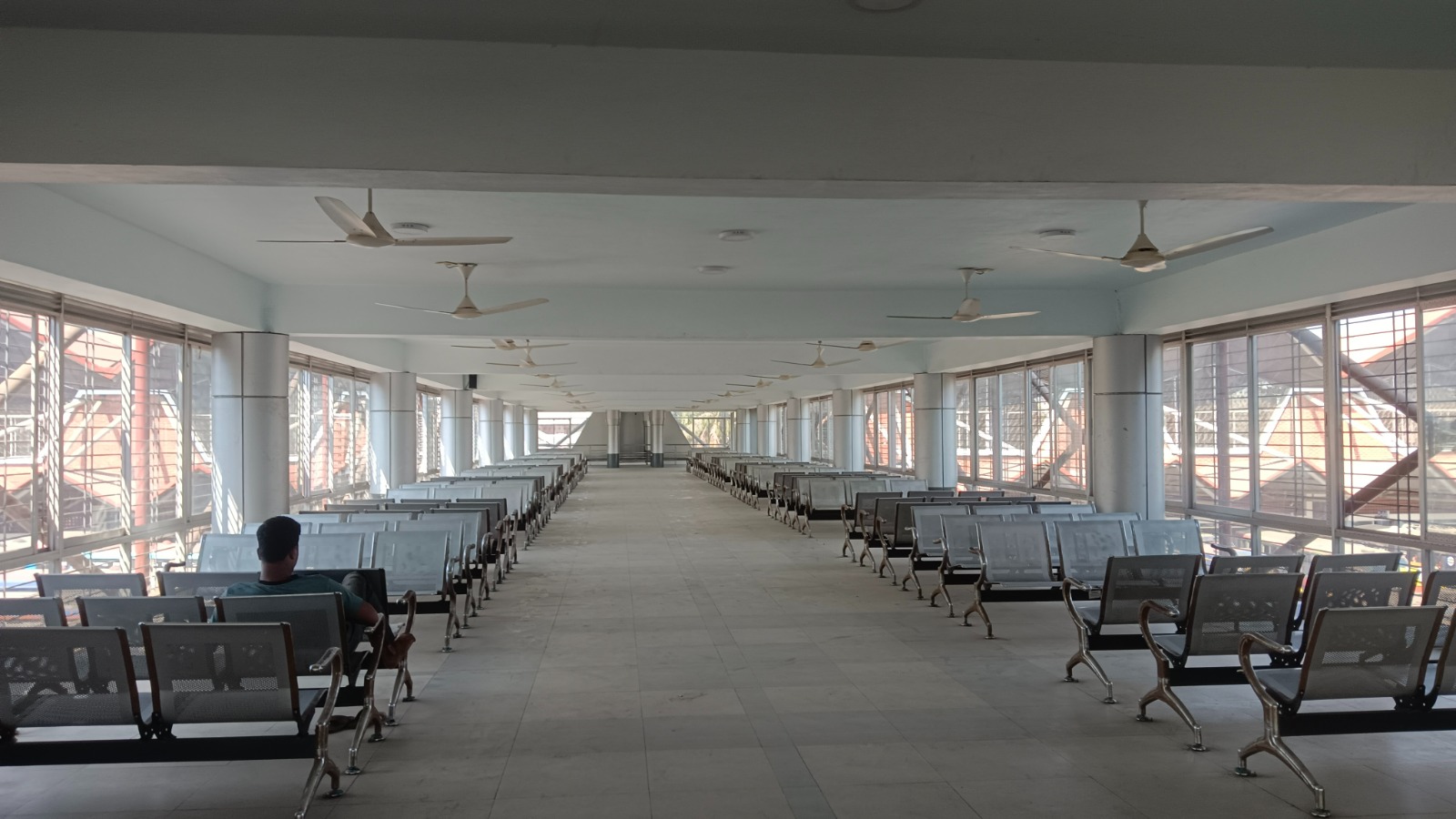
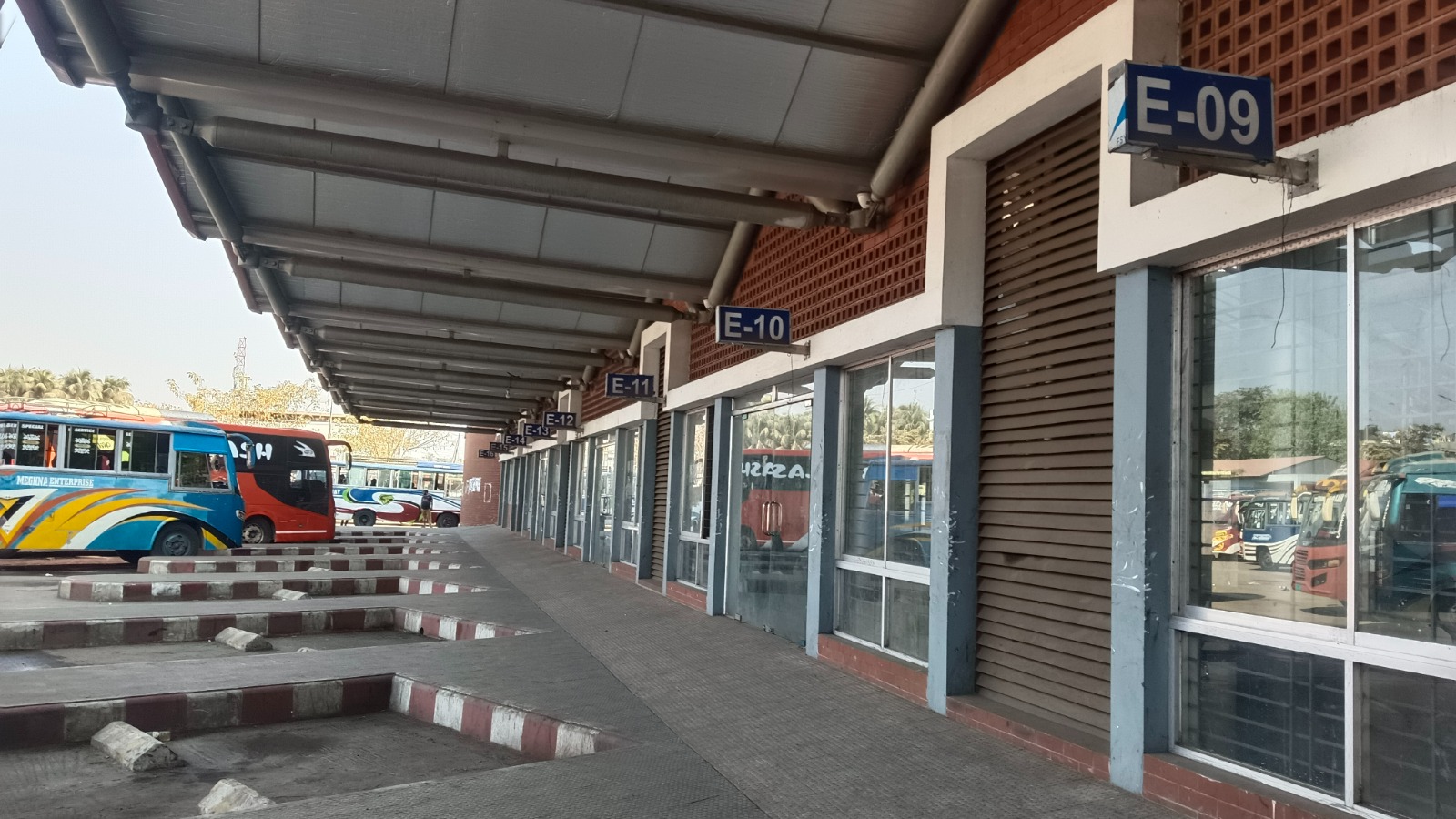
A massive passenger hall with seating for 970 people dominates the interior, along with 30 ticket counters. The 300-foot-long departure bay can accommodate 48 buses at once. On paper, it is a model of modern passenger service infrastructure. In reality, the story is starkly different.
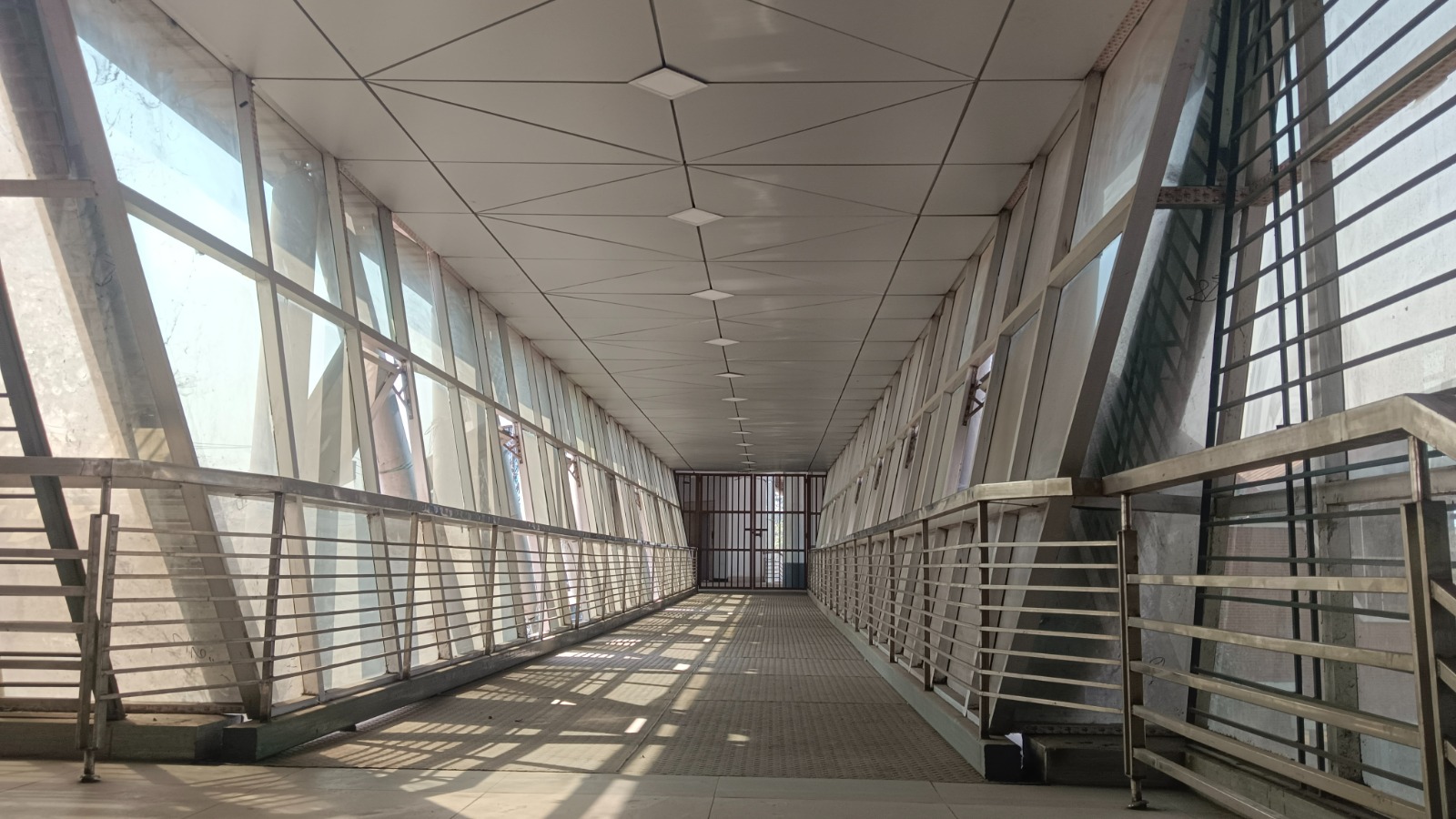
Despite its state-of-the-art facilities, neglect and lack of proper use have left the terminal in a haunting condition. Rust has crept onto the chairs. Ceiling lights and fans hang loose. While a handful of drivers and a few passengers linger on the ground floor, the upper floor remains entirely deserted. Even at midday, the building seems to be abandoned.

The five-storey circular administrative tower is perhaps the biggest mystery. Since construction, it seems no official footsteps have regularly echoed through its corridors. A VIP lounge on the second floor has informally turned into a meeting room for transport workers. Ironically, three public toilets appear to be the most frequently used facilities.
The project began in February 2019 under the Sylhet City Corporation (SCC) as part of the Municipal Governance Service Project (MGSP). Built on nearly eight acres of land, the total cost was fixed at Tk 117 crore.


The terminal was launched on a trial basis on February 15, 2023. Later that year, on November 15, it was formally inaugurated. Since then, visible oversight and follow-up initiatives have been scarce. Even today, the terminal has not seen a full-scale, structured operational rollout.
Initially, the lease was awarded to Selim Ahmed for a one-year term beginning August 14, 2024. Despite enjoying operational benefits, visible maintenance was reportedly lacking. Later, starting July 1 of the previous year, Md. Mizanul Islam secured a one-year lease worth Tk 1 crore 43 lakh to collect tolls from vehicles and counters. He currently oversees terminal operations.
Moynul Islam, president of the Sylhet Bus Minibus Workers’ Union, said there has been no effective supervision from the city corporation, and facilities are deteriorating.
The irony is stark. Despite the existence of a modern terminal designed to streamline operations, buses continue to occupy half of the adjacent roads, just as they did before. Traffic congestion persists, leaving city dwellers to endure the same daily gridlock.
Md. Ali Akbar, acting chief engineer of Sylhet City Corporation, admitted the maintenance gap. “Indeed, proper maintenance is not happening,” he said. “Once elected representatives are in place, we will sit down to determine the responsibilities between the leaseholder and the corporation. The aesthetic value of the terminal will certainly be restored.”
For now, however, Sylhet’s grand bus terminal stands as a striking contradiction, a symbol of vision without vigilance, of infrastructure without stewardship. Built to welcome thousands, it waits instead in silence.