Iran is prepared to consider compromises to reach a nuclear deal with the United States, provided Washington is willing to discuss the lifting of sanctions, a senior Iranian official has stated.
Majid Takht-Ravanchi, Iran’s deputy foreign minister, told BBC in Tehran that the “ball is in America’s court to prove that they want to do a deal”. He added that if the US is sincere, he is confident both nations will be “on the road to an agreement”.
Negotiations and willingness to compromise
The statement comes ahead of a second round of indirect talks scheduled to take place in Geneva this Tuesday. This follows a preliminary round held in Oman earlier in February, which Takht-Ravanchi described as moving in a “positive direction,” though he noted it was still “too early to judge”.
As evidence of Tehran’s willingness to compromise, the deputy foreign minister pointed to an offer to dilute its 60%-enriched uranium. While this material is near weapons-grade level, deepening international suspicion of a move towards nuclear weapons, Iran continues to deny any such intention.

Takht-Ravanchi remained non-committal on whether Iran would again ship its stockpile of highly enriched uranium out of the country, as it did under the 2015 nuclear deal, stating it was too early to determine the course of negotiations.
Conflicting messages and “Red Lines”
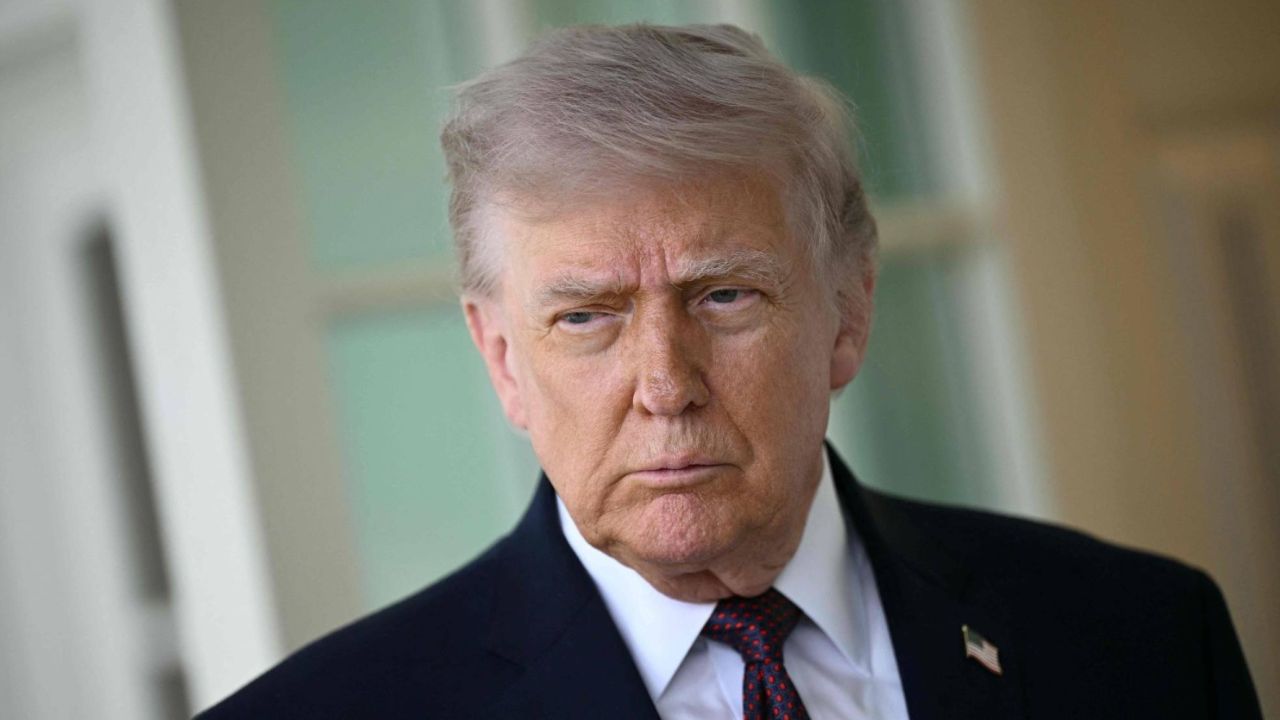
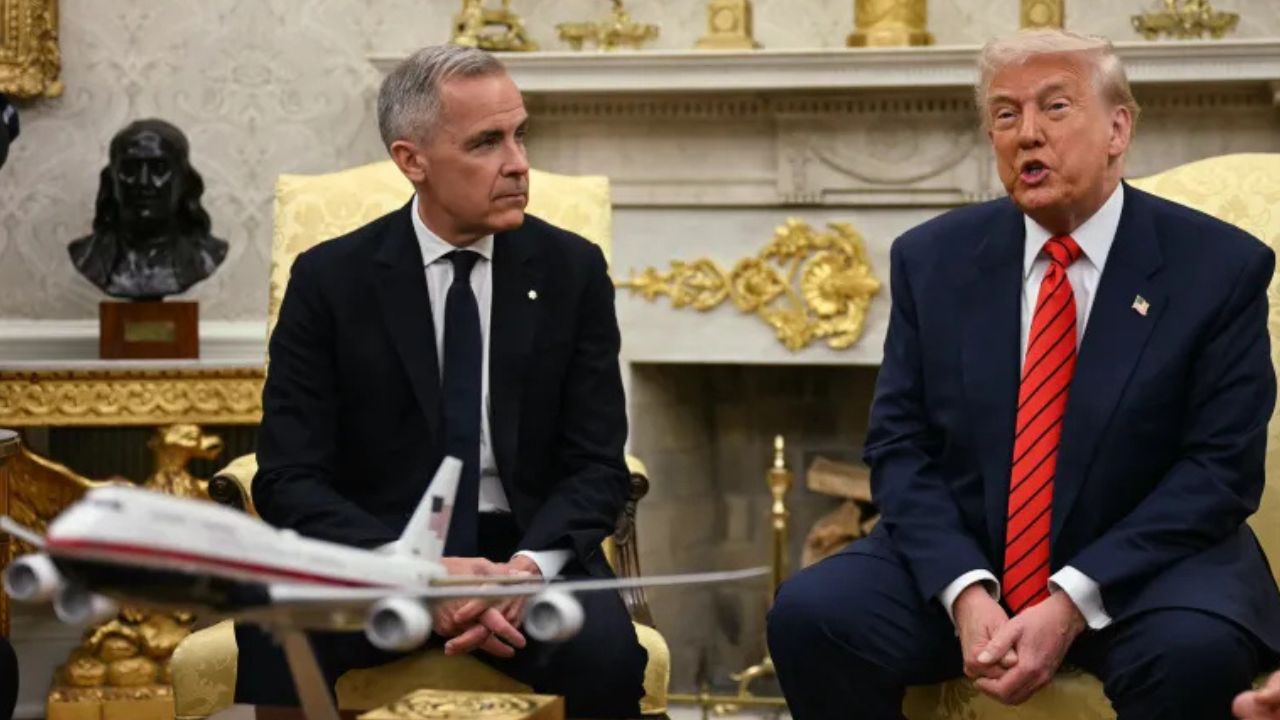
Despite the diplomatic opening, significant hurdles remain. US Secretary of State Marco Rubio recently stated that while President Donald Trump prefers a deal, it remains “very hard to do”. Trump has also threatened military strikes against Iran if its nuclear programme is not curbed, accompanied by a build-up of US military presence in the region.




A key point of contention is the issue of uranium enrichment. While Trump recently told reporters he wants “zero enrichment,” Takht-Ravanchi asserted that the “issue of zero enrichment is not an issue anymore” and is no longer on the table as far as Iran is concerned. Tehran views its right to enrichment as a “red line” under the nuclear non-proliferation treaty.
Furthermore, Iran reiterated its refusal to discuss its ballistic missile programme, which Takht-Ravanchi described as essential for “defensive capabilities”.
Regional tension and security risks
The deputy foreign minister expressed concern over the American president’s “conflicting messages,” noting that while private notes passed through Oman’s Foreign Minister Sayyid Badr bin Hamad Al-Busaidi suggest an interest in peaceful resolution, Trump’s public remarks have occasionally focused on regime change.
Takht-Ravanchi warned that another war would be “traumatic” for the entire region. He clarified that if Iran perceives an “existential threat,” it will respond accordingly, noting that US military bases in the region would be regarded as legitimate targets.
Diplomatic hopes
Despite the “little trust” remaining in the process following an Israeli attack last June, which triggered a 12-day war just before a previous round of talks, Tehran sees some positive signals. The presence of Jared Kushner at talks in early February was viewed as a sign of greater US engagement.
Iranian officials, including President Masoud Pezeshkian, remain critical of past inconsistencies in negotiations but expressed hope that the upcoming round in Geneva could yield progress.