
Behind the serene beauty of Bangladesh’s tea gardens lies a far less picturesque reality. The endless rows of lush green tea bushes, often admired for their tranquillity, are sustained by the relentless labour of thousands of workers whose lives remain defined by hardship, low wages, and limited opportunities.
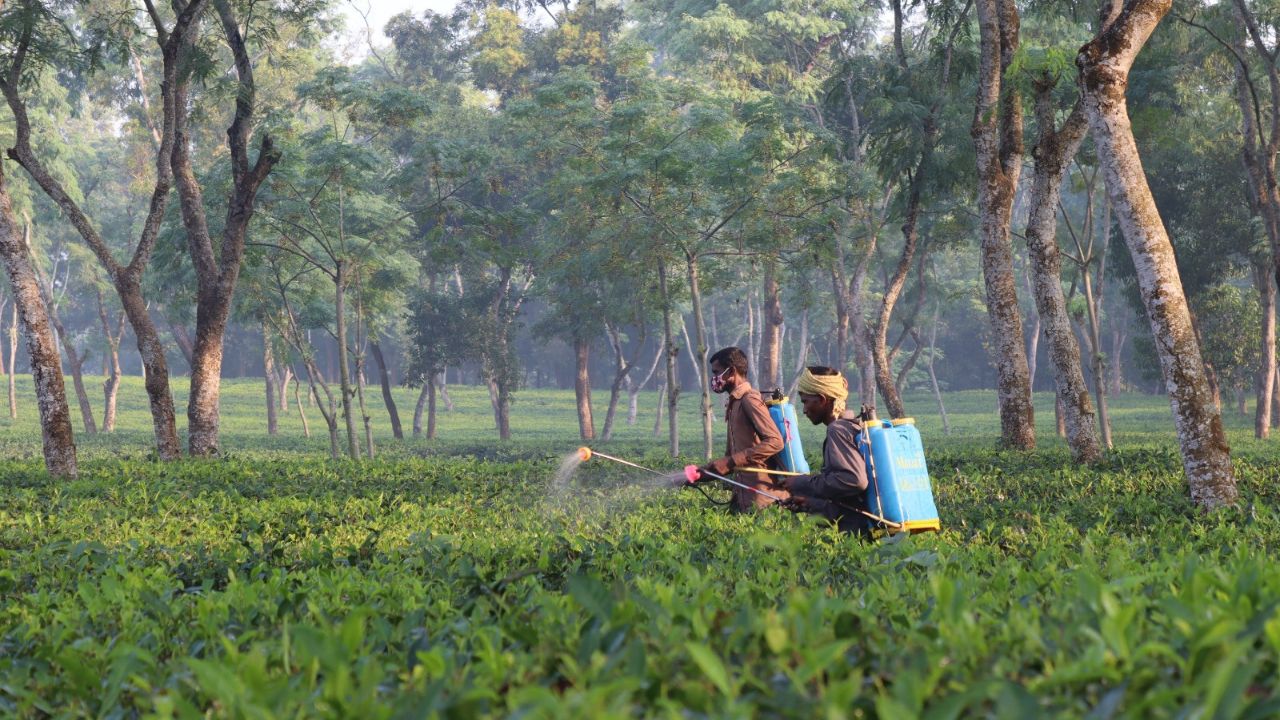
For tea garden workers, the day begins long before sunrise. While most of the country is still asleep, male workers head into the fields to spray pesticides and medicines on the tea plants. This task, essential for protecting the crops from insects and disease, often exposes them to harmful chemicals. Yet protective equipment is rarely adequate, and the work continues out of sheer necessity. For many, this is the only way to secure the day’s income.
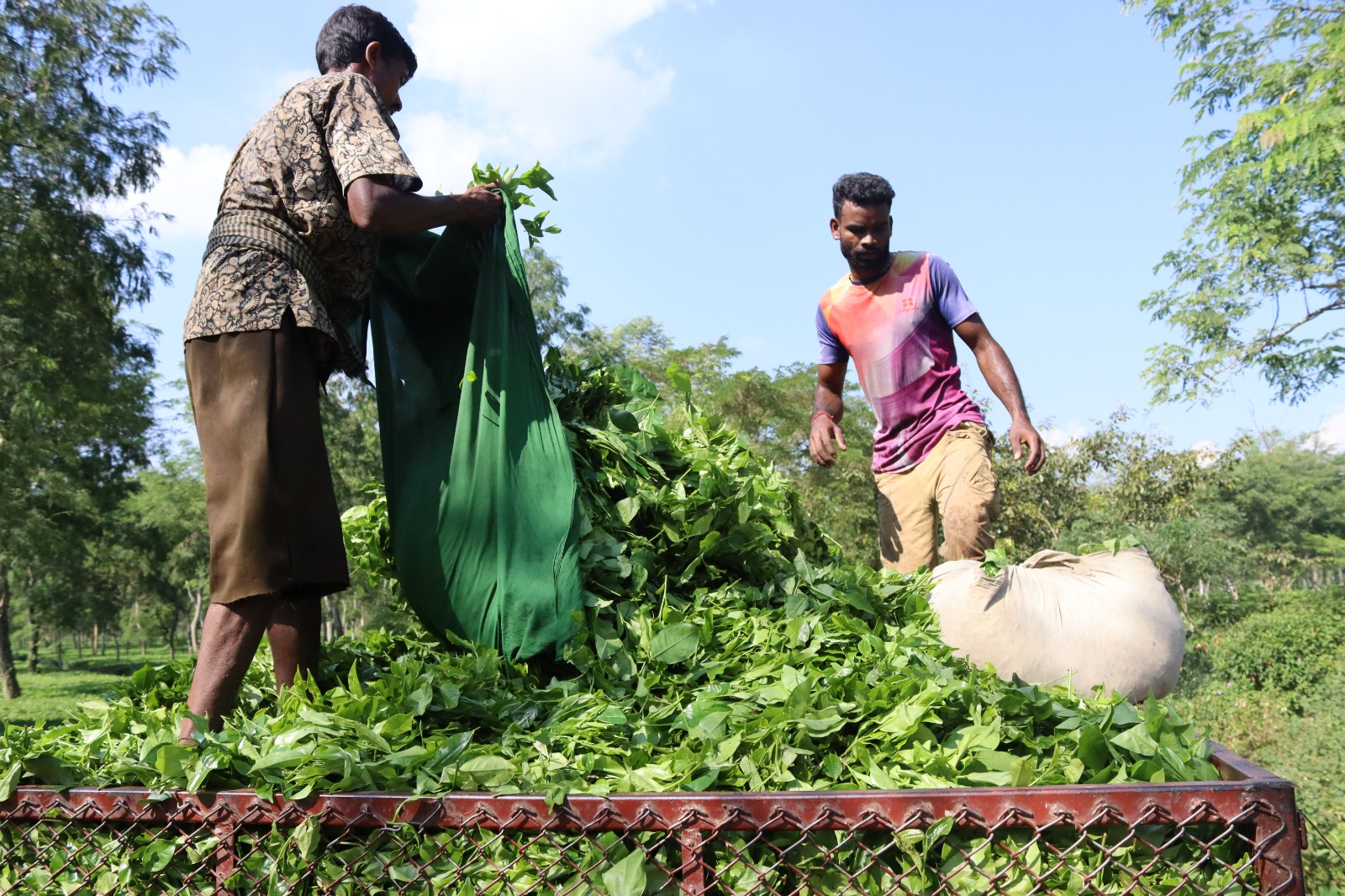
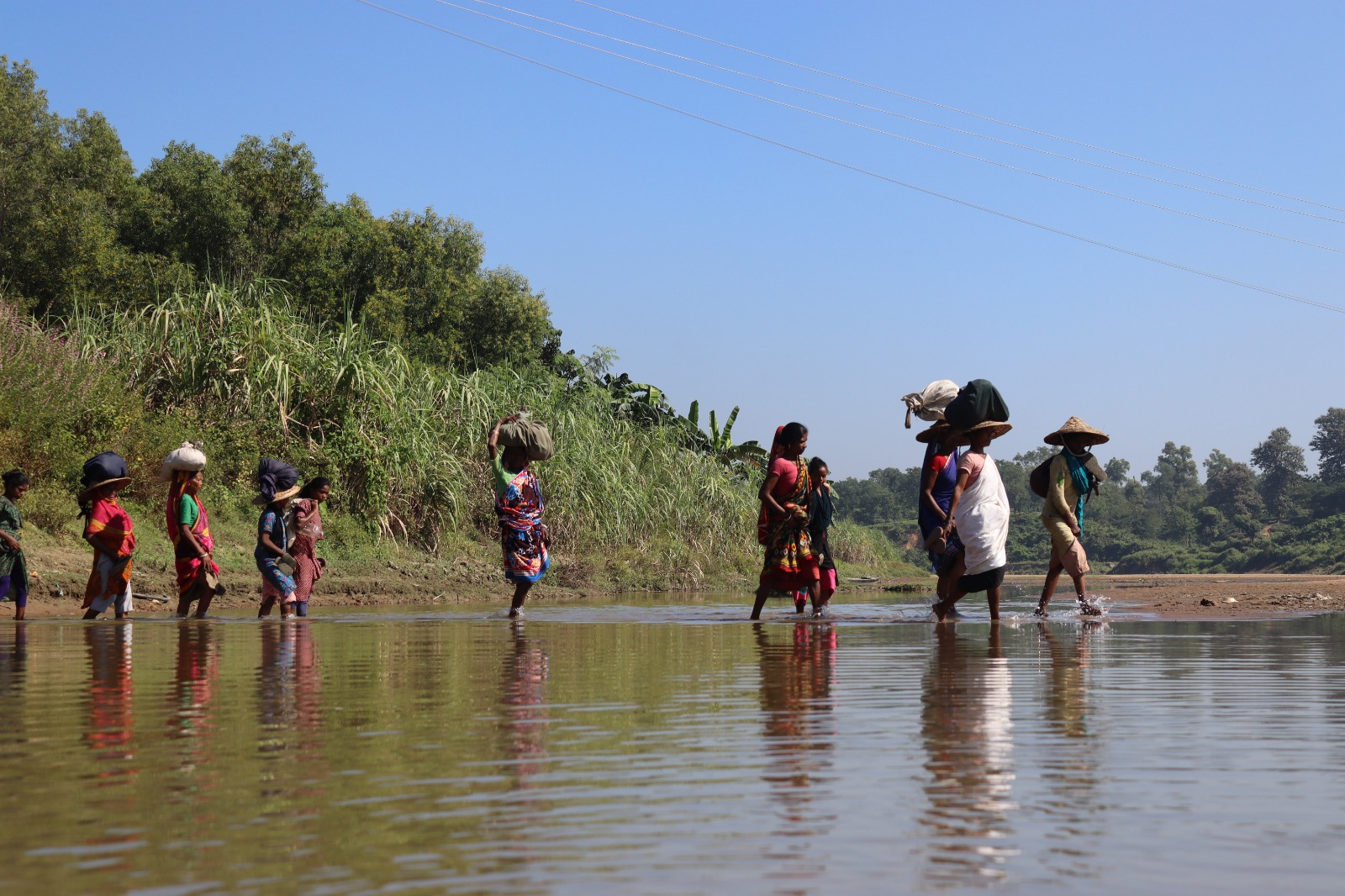
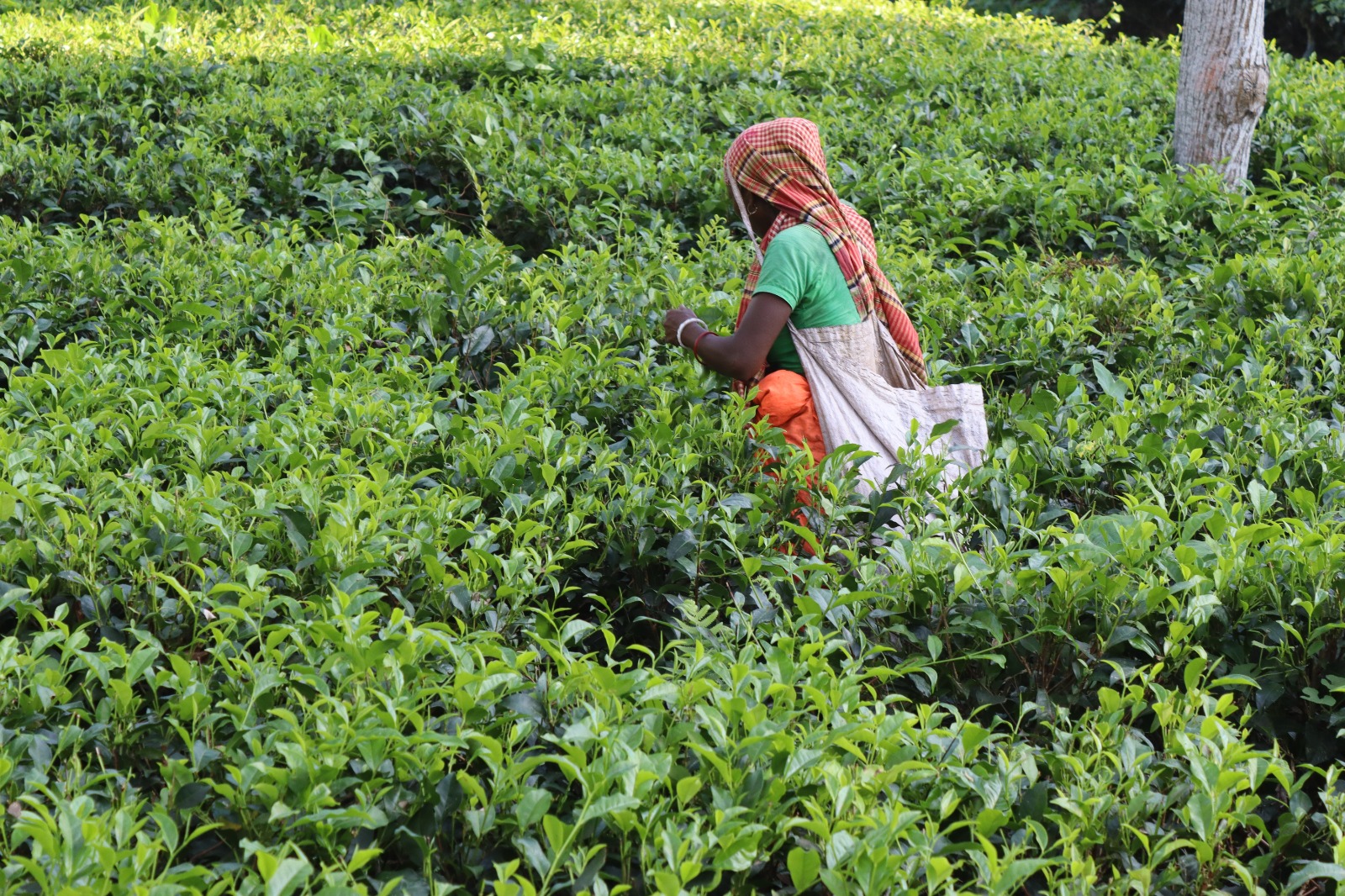
Soon after, the gardens fill with the rhythmic movement of women workers who begin the delicate process of plucking tea leaves. Carrying baskets strapped to their heads or backs, they move steadily through the fields, carefully picking fresh leaves one by one. Under the scorching sun, sudden rain, or chilly winds, they continue their work for hours without pause. Their hands move quickly and skillfully, yet their dedication is rarely matched by fair compensation.

Despite the demanding nature of their work, the wages of tea workers remain painfully low. Most earn between Tk 120 and Tk 165 a day. In today’s economic reality, such income barely covers the cost of basic necessities. Feeding a family, buying clothes, seeking medical treatment, or supporting a child’s education becomes a daily struggle.




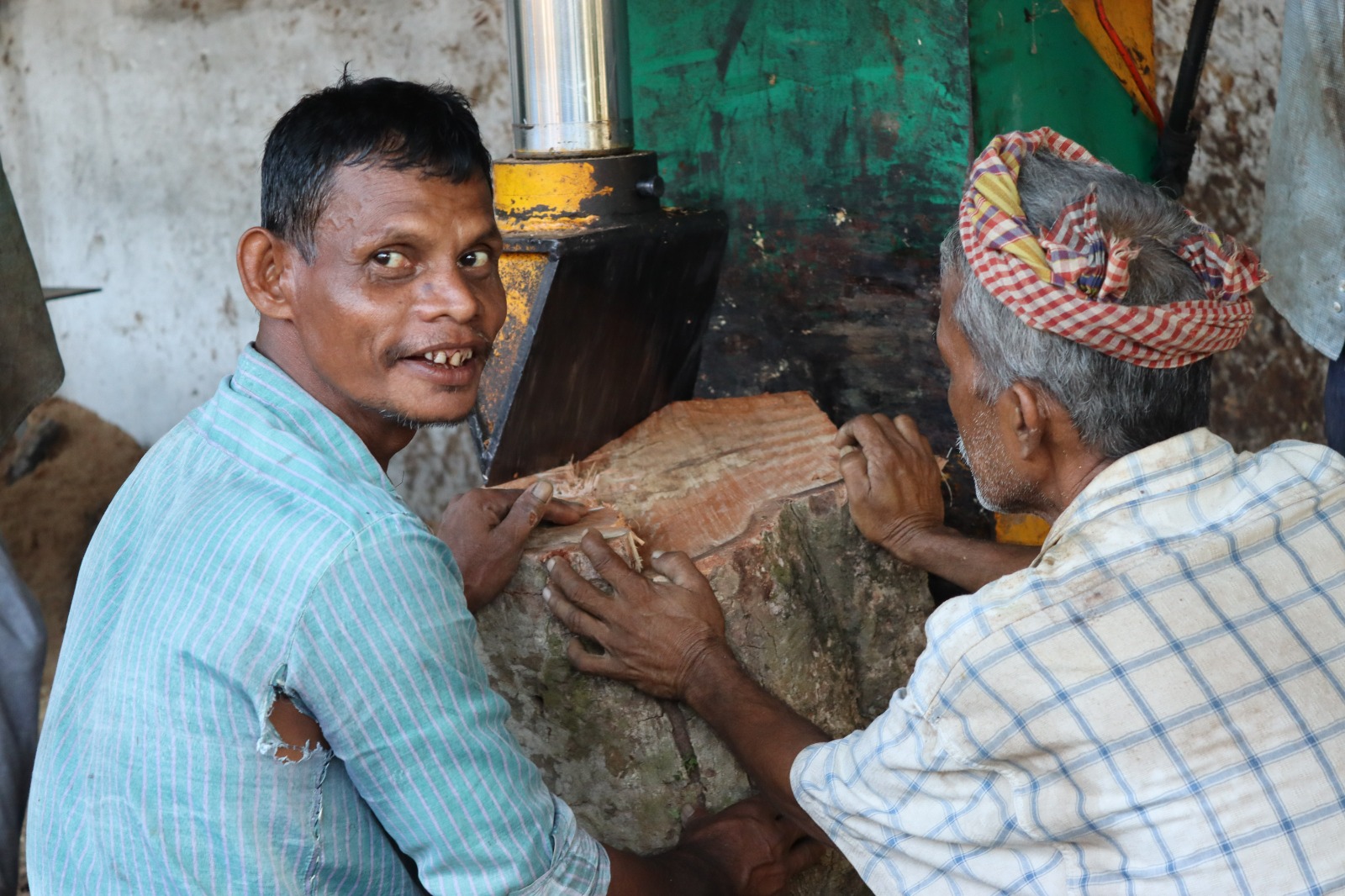
The consequences of this economic hardship are visible across tea garden communities. Many families live in fragile housing with limited access to healthcare and sanitation. Malnutrition, preventable illnesses, and financial instability are common concerns. Children often grow up seeing few alternatives beyond following their parents into the same labour-intensive work, continuing a cycle of poverty that has persisted for generations.
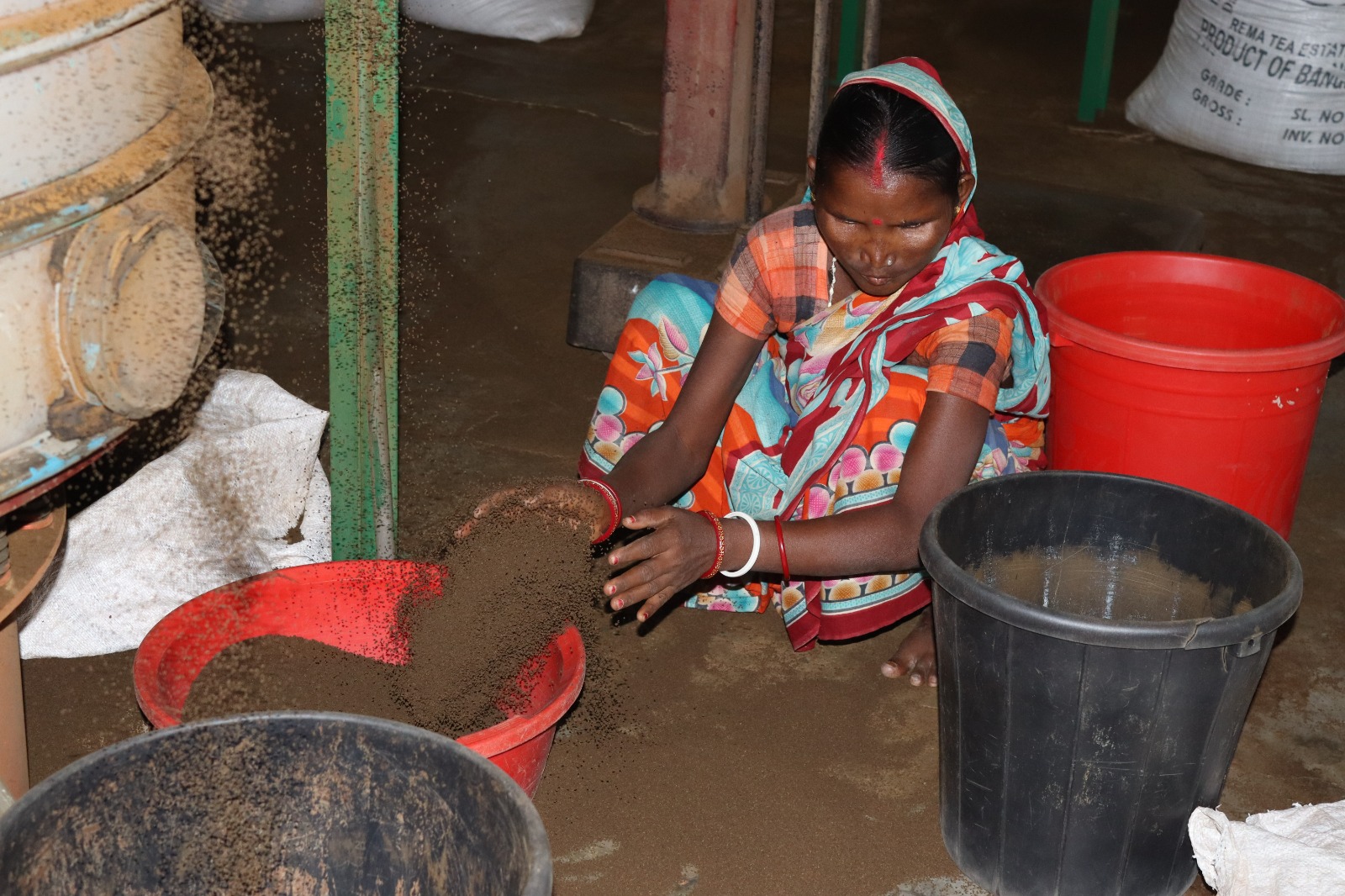
Tea workers have repeatedly called for fair wages and better living conditions. Their demands are not extravagant. They seek the basic dignity of being able to provide food for their families, access healthcare, educate their children, and live in secure homes.
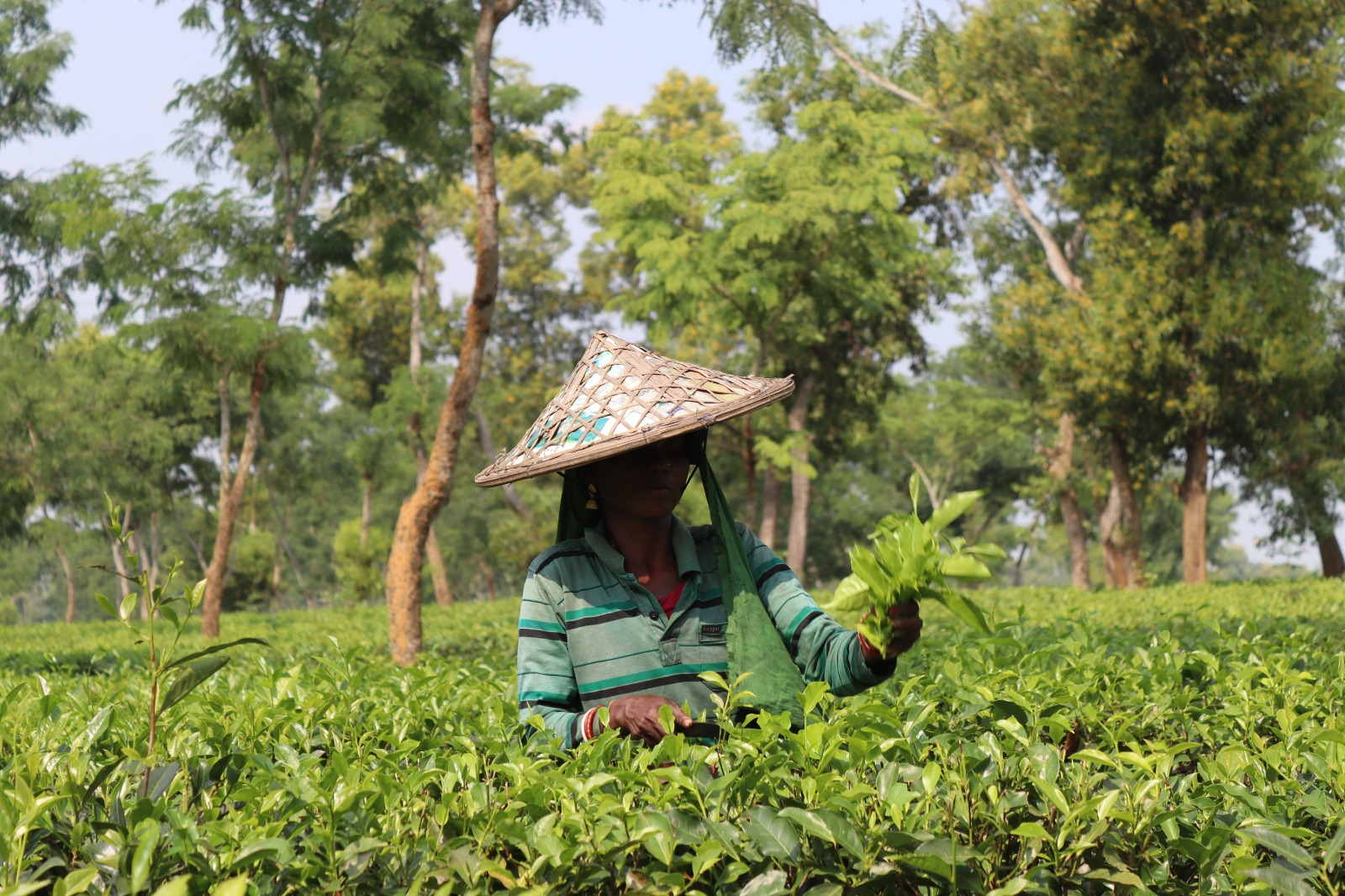
Every cup of tea enjoyed across the country carries the unseen effort of these workers. Their sweat nourishes the industry that contributes significantly to the national economy. Yet the people behind this labour remain among the most marginalised.