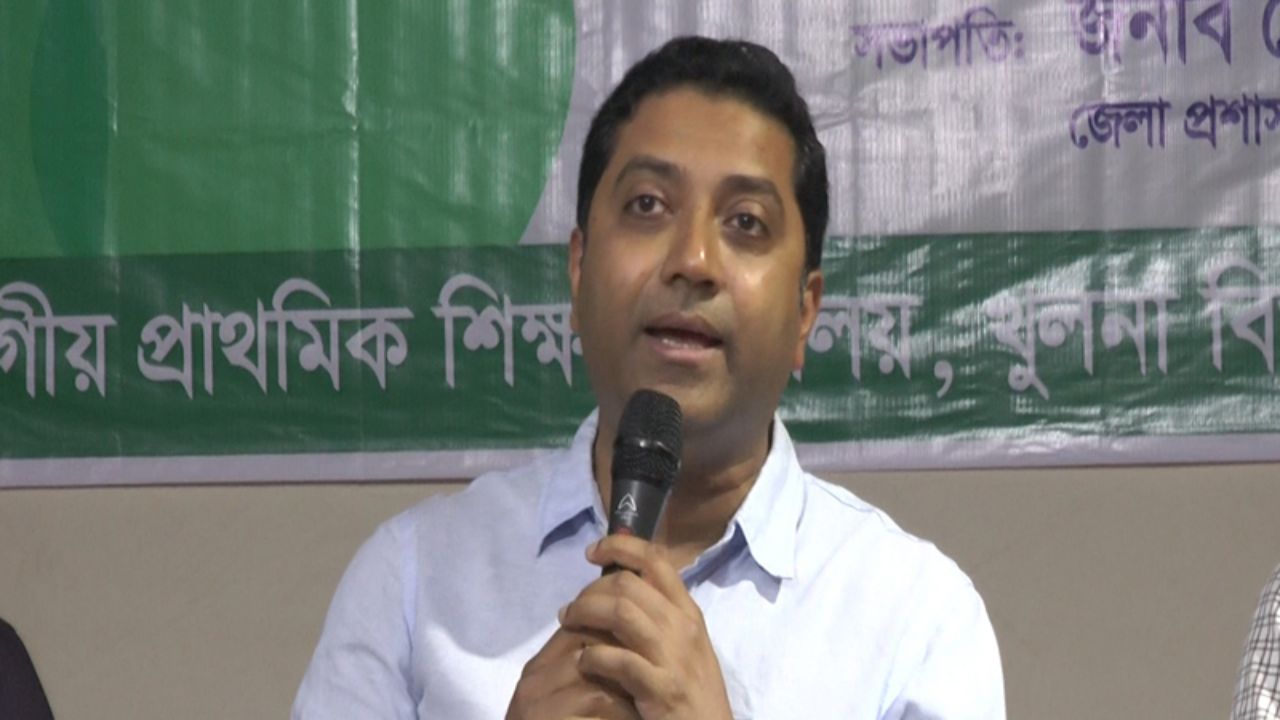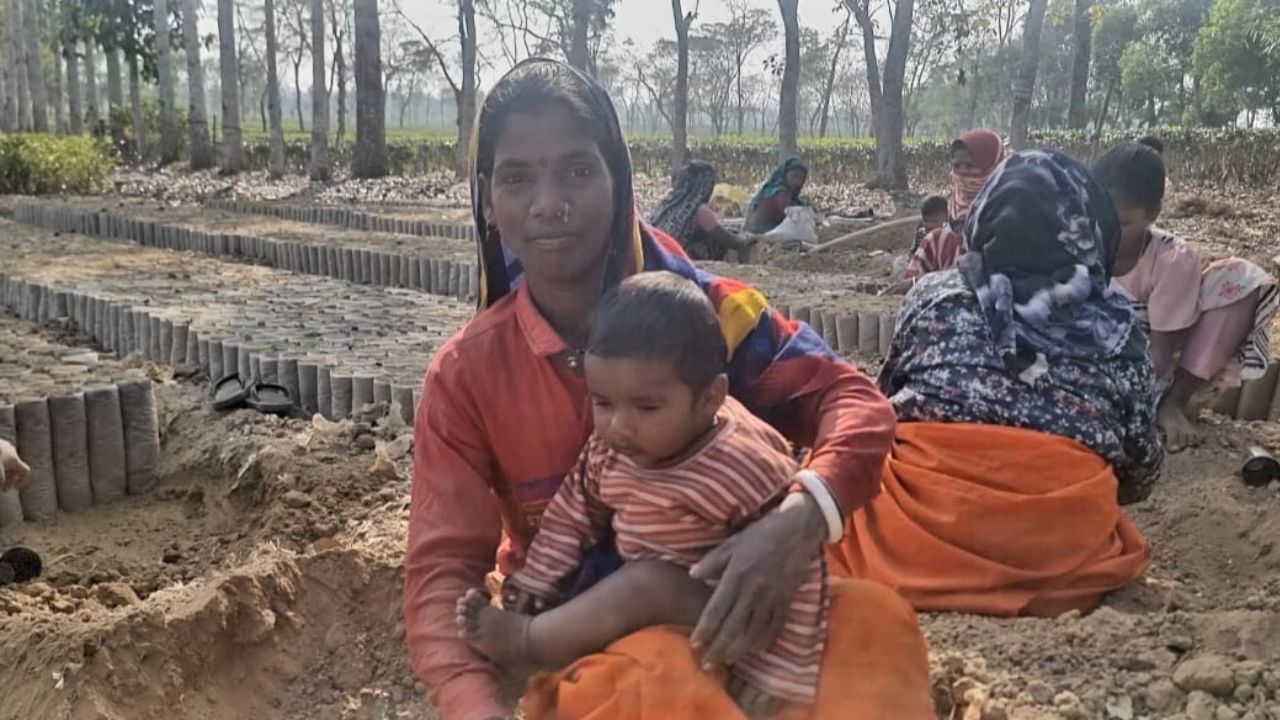



Campaigning has intensified in Habiganj-4 (Madhabpur–Chunarughat) as candidates in the constituency turn their focus to tea garden workers, whose votes are widely seen as a key swing factor in the contest.
With polling nearing, candidates have stepped up outreach in tea estates across Madhabpur and Chunarughat, promising long-delayed development in a belt that has often proved decisive in previous elections.
Tea workers, however, say past experience has left them wary, accusing winning candidates of disappearing after polls and failing to deliver on basic needs.
The constituency has about 1,00,000 voters in 23 tea gardens, including Baikunthapur, Laskerpur, Chandichara, Teliapara, Noapara and Surma. Workers say years of neglect have left them struggling with broken earthen roads, shortages of safe drinking water, limited access to schools and colleges, inadequate healthcare facilities and the absence of even a single ambulance in many estates.

Although nine candidates are in the race, local attention is centred on the contest between BNP nominee Syed Faisal, contesting with the sheaf of paddy symbol, and Islami Front candidate Gias Uddin Ata Taheri, running with the candle symbol.
Residents describe the race as tight, though some believe Faisal has an edge among tea workers due to his long-term presence in the gardens.

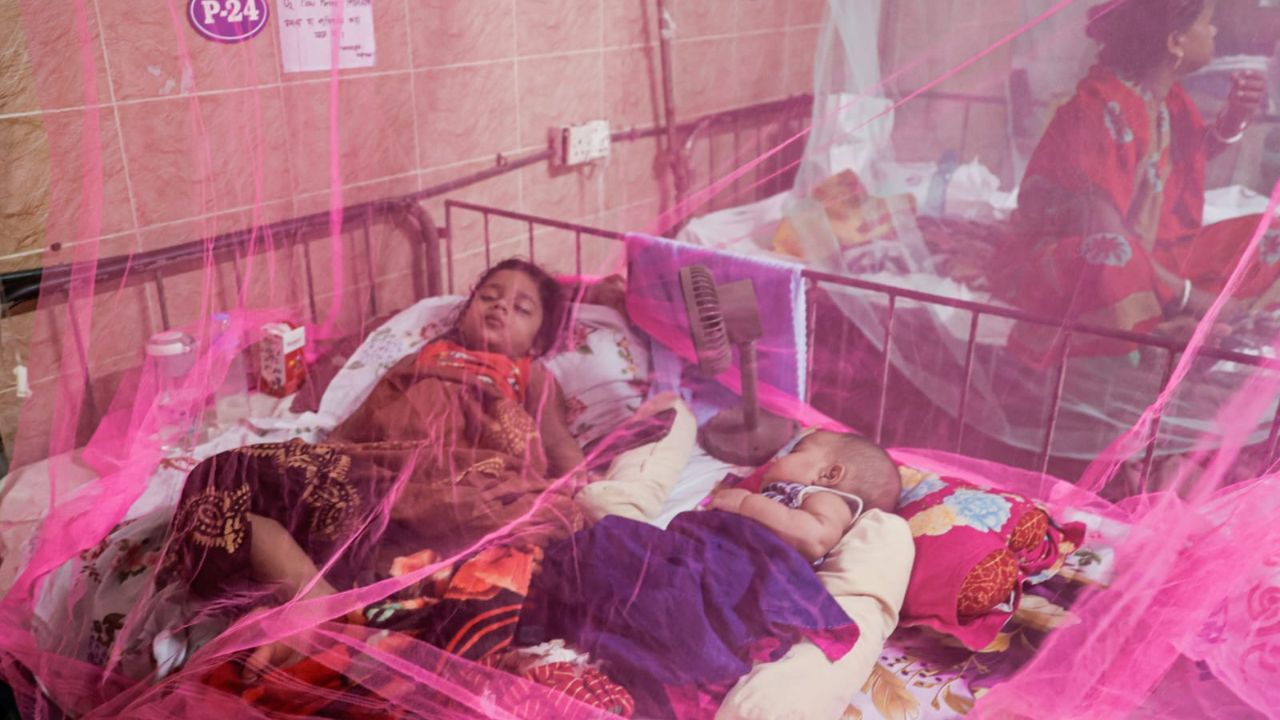


Tea workers say enthusiasm for voting remains low despite heightened campaigning. Many say they are yet to decide whom to back and will vote only after weighing which candidate can credibly address their longstanding grievances.
Sunil Bauri of Laskerpur Tea Garden said access to healthcare was the most urgent concern. “When someone falls ill, taking patients to hospital becomes a struggle. There is no ambulance. Every election brings promises, but nothing changes. We want safe water and a hospital,” he said.
At Chandichara Tea Garden, worker Sokal Moni pointed to low wages and daily hardship. “Our pay is very low. Many mothers bring even six-month-old babies to work because of poverty. We have not decided on voting yet, but we will support whoever increases our wages,” she said.
Maya Rani, also from Chandichara, said candidates were visible only during elections. “They hug us and promise roads, schools and hospitals, then vanish after winning,” she said.
Rakesh, a worker from Noapara Tea Garden, said many were determined to vote carefully this time. “We want development and accountability. Past winners did not keep their promises. This time we want delivery,” he said.
BNP nominee S M Faisal said tea workers would back him because of his engagement with them over the years. “They have been misled before. I have made clear commitments and, if elected, I will meet their demands,” he said.
Islami Front candidate Gias Uddin Ata Taheri said he rejected what he called “politics of deception”. “Tea workers have faced economic discrimination for years. I will identify their problems first and take long-term steps to improve their living standards,” he said.
The constituency has a total of 5,52,711 voters, including 2,78,660 men, 2,74,049 women and two third-gender voters, according to official figures.