Private islands, private jets, and exclusive, closed-door gatherings – scenes that might belong in a Hollywood blockbuster like Mission: Impossible or Kingsman. Presidents, princes, billionaires, financiers, and cultural icons – figures synonymous with wealth and influence – often inhabit such worlds of luxury.
But the horror sets in when these same personalities are revealed, rightly or wrongly, to be connected to a convicted sex trafficker. It rattles public trust.
Suddenly, questions loom large: Who protects the vulnerable when the powerful are compromised? Can justice remain impartial when elites are so deeply interconnected?
The answer, it seems, lies buried in the Epstein Files. Three million pages of records – stacked, they would rise taller than the Eiffel Tower; stored, they would fill 1,500 filing cabinets; read nonstop at 50 pages an hour, they would take nearly seven years.
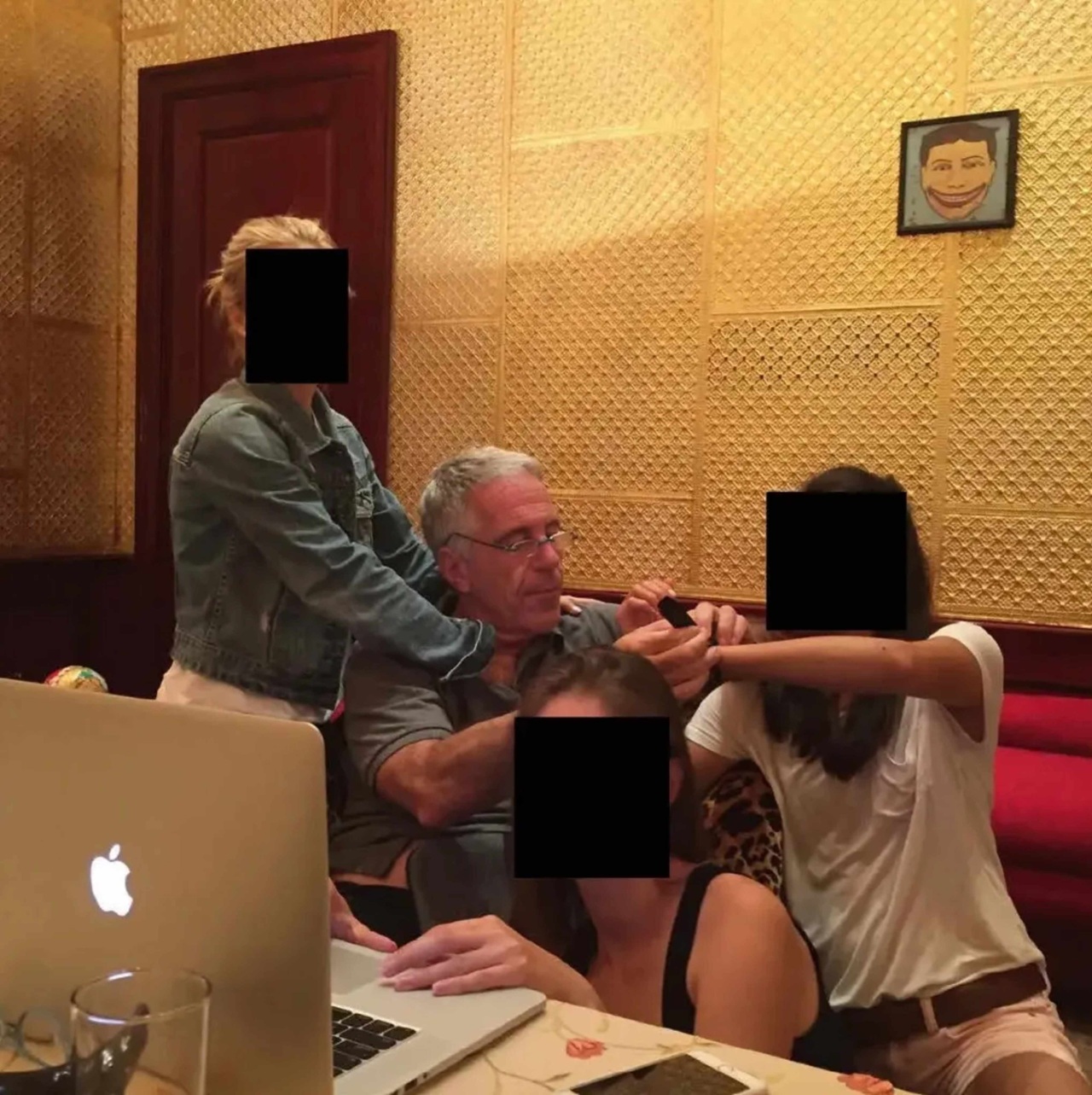
Behind this staggering volume lies the dark world of Jeffrey Epstein: his crimes, his global network, and the powerful figures caught in his orbit.

Epstein, a financier by public image, was accused of operating an extensive sex-trafficking network involving minors. Central to the allegations was his private Caribbean island – infamously dubbed the “paedophile island” – where prosecutors say underage girls were trafficked and abused.
His private jet, often referred to in media reports as the “Lolita Express,” allegedly transported high-profile guests from around the world.
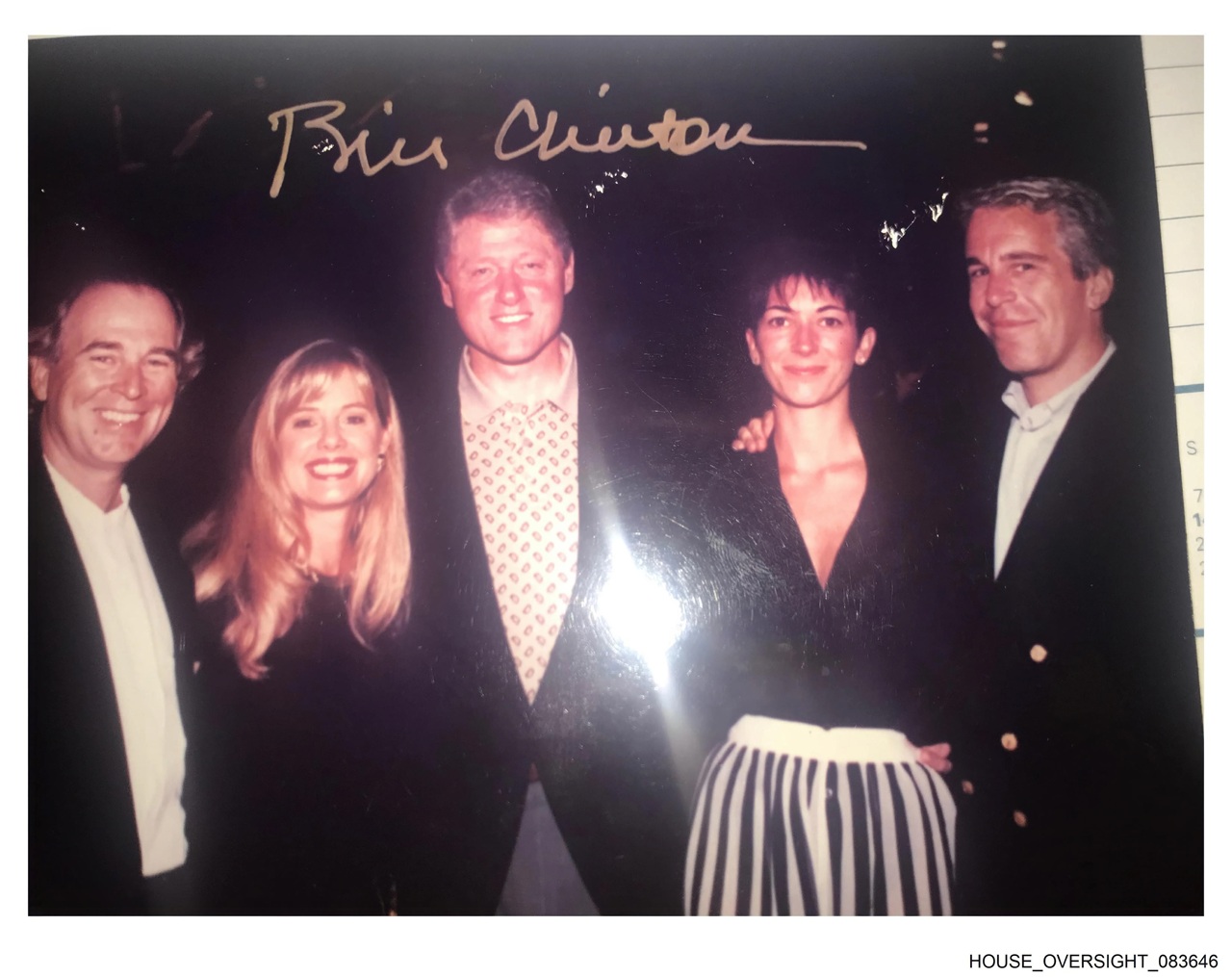
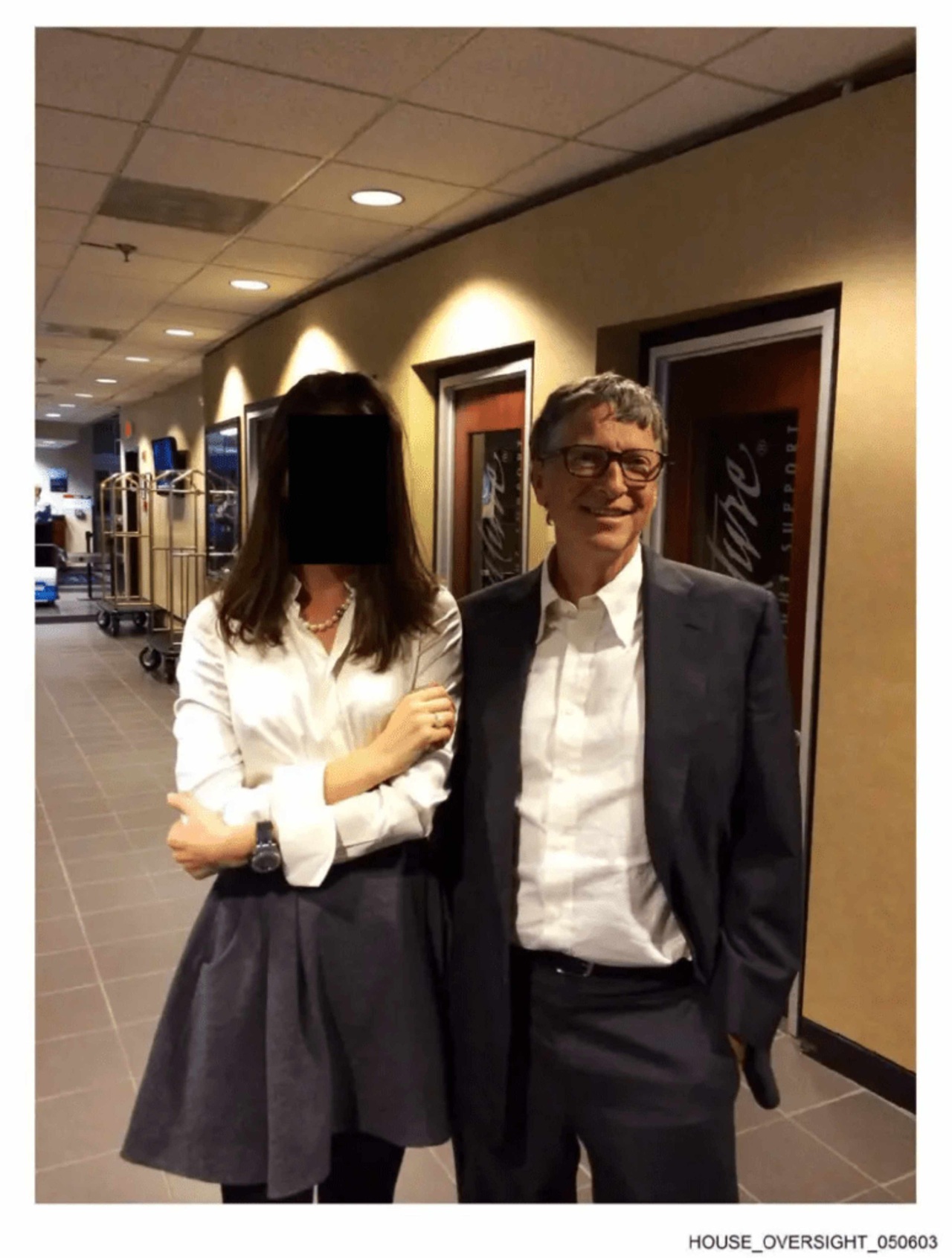
The newly released files contain names that have shocked the public sphere. Among those referenced are Donald Trump, Bill Clinton, Prince Andrew, Elon Musk, Steve Bannon, Steve Tisch, Anil Ambani, Bill Gates, Lord Peter Mandelson, Sarah Ferguson, and Richard Branson, among others.
As public interest around the Epstein Files resurges, a parallel wave of digital misinformation has begun spreading across social media; this time powered by artificial intelligence.




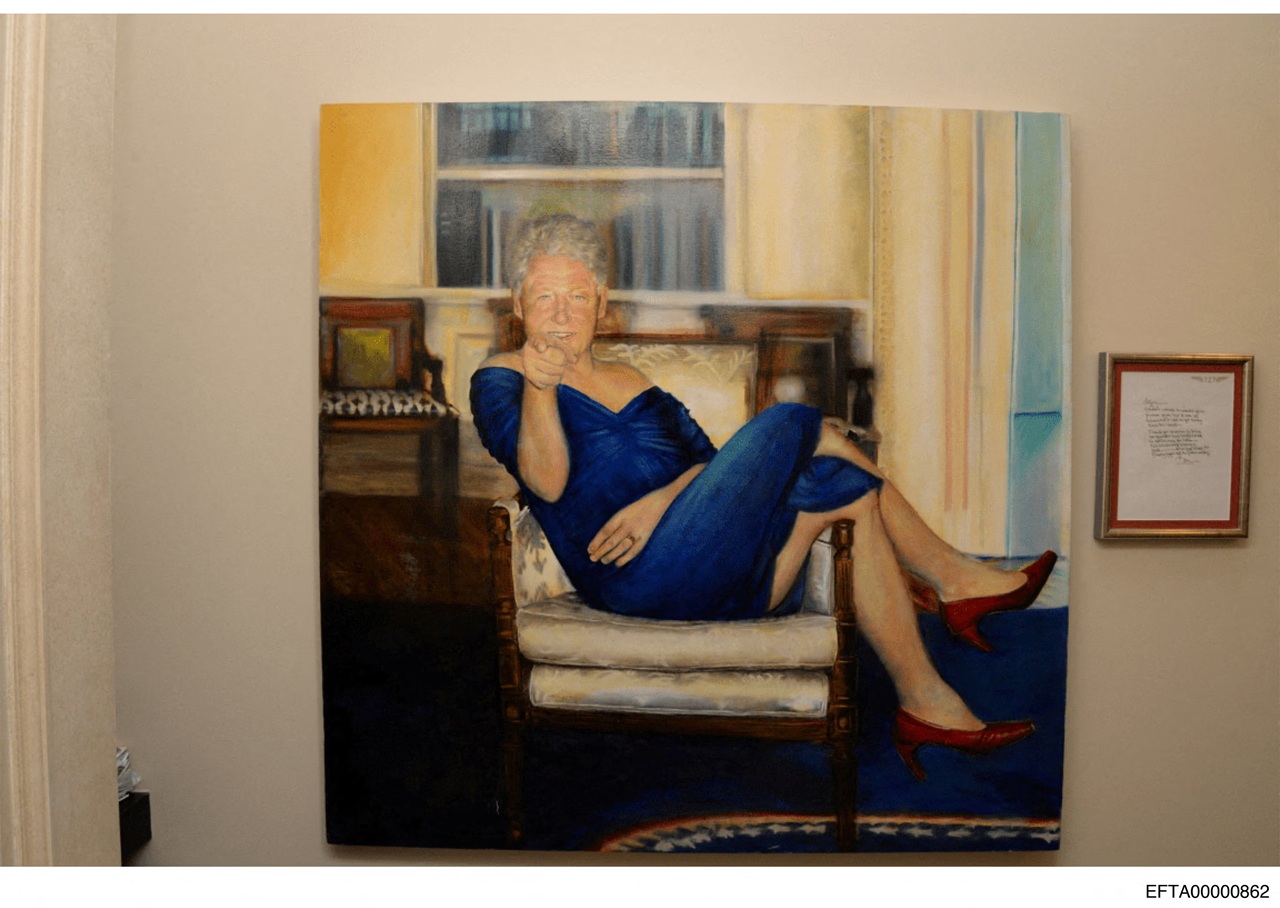
Doctored and AI-generated images falsely depicting prominent US politicians alongside Jeffrey Epstein have circulated widely, blurring the line between documented association and fabricated proximity.
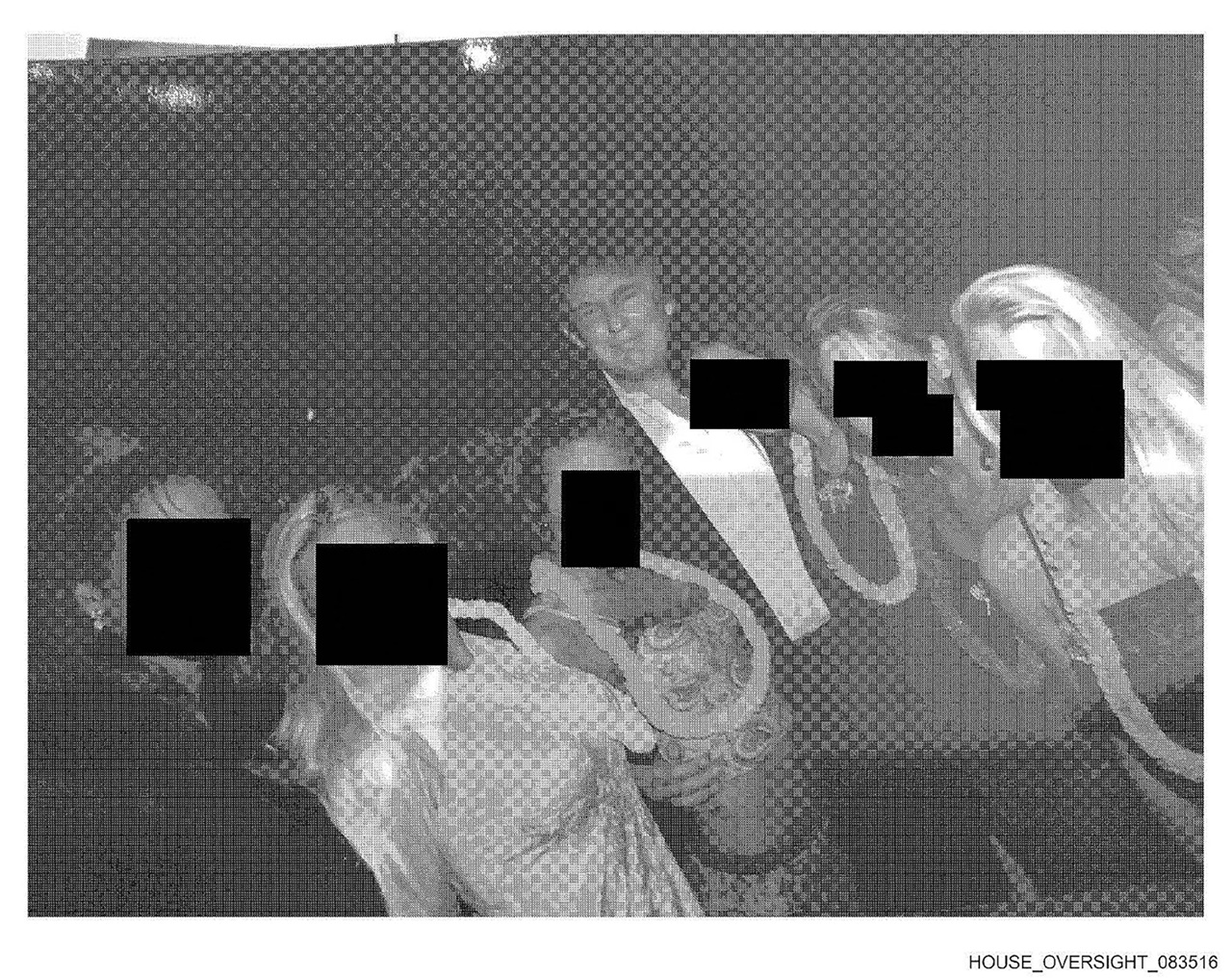
These manipulated visuals often place political figures in Epstein’s private jet, island properties, or social gathering settings already charged with public outrage.
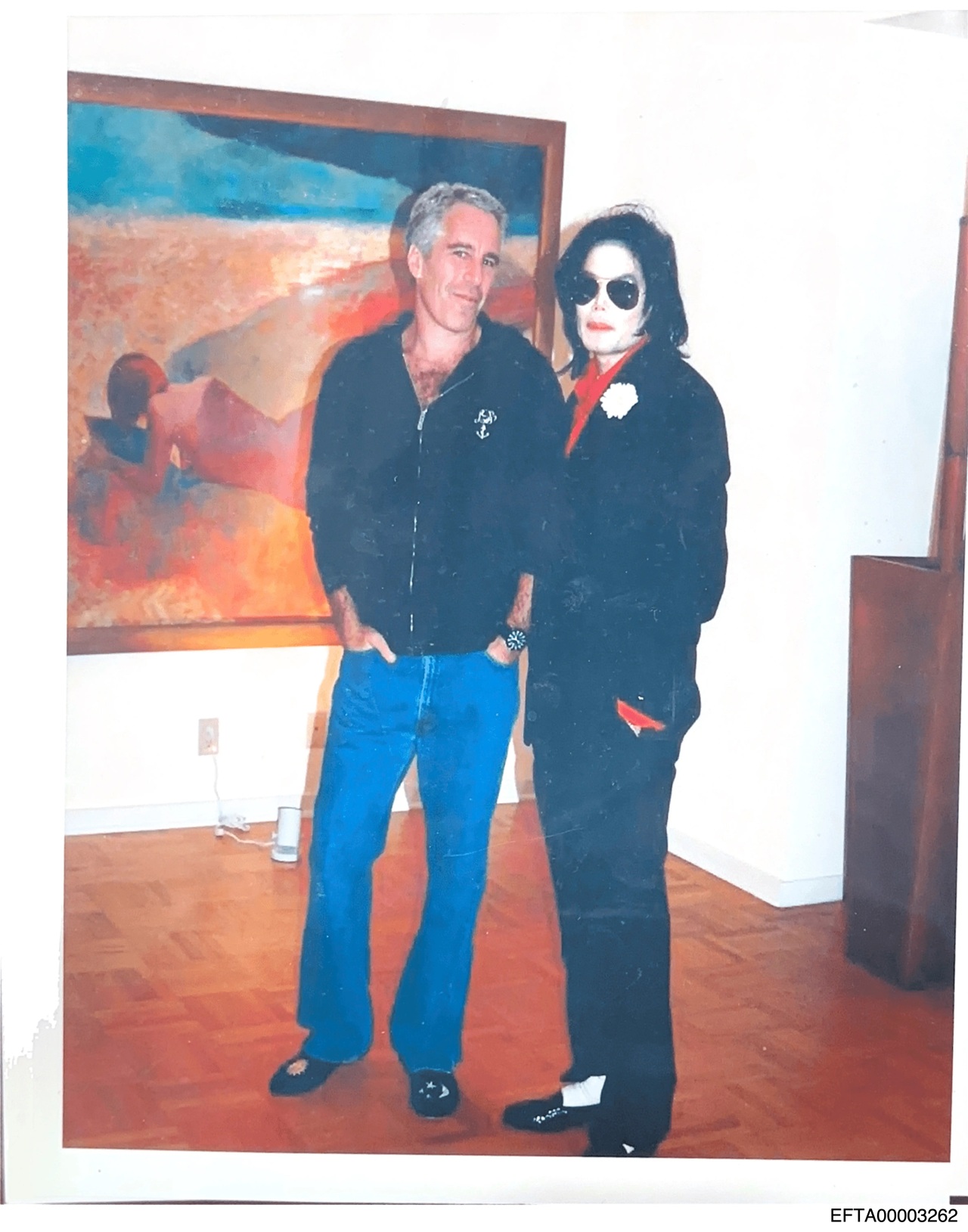
Because many authentic photos of Epstein with elites do exist, the fake images gain instant plausibility, making them particularly potent tools for disinformation.
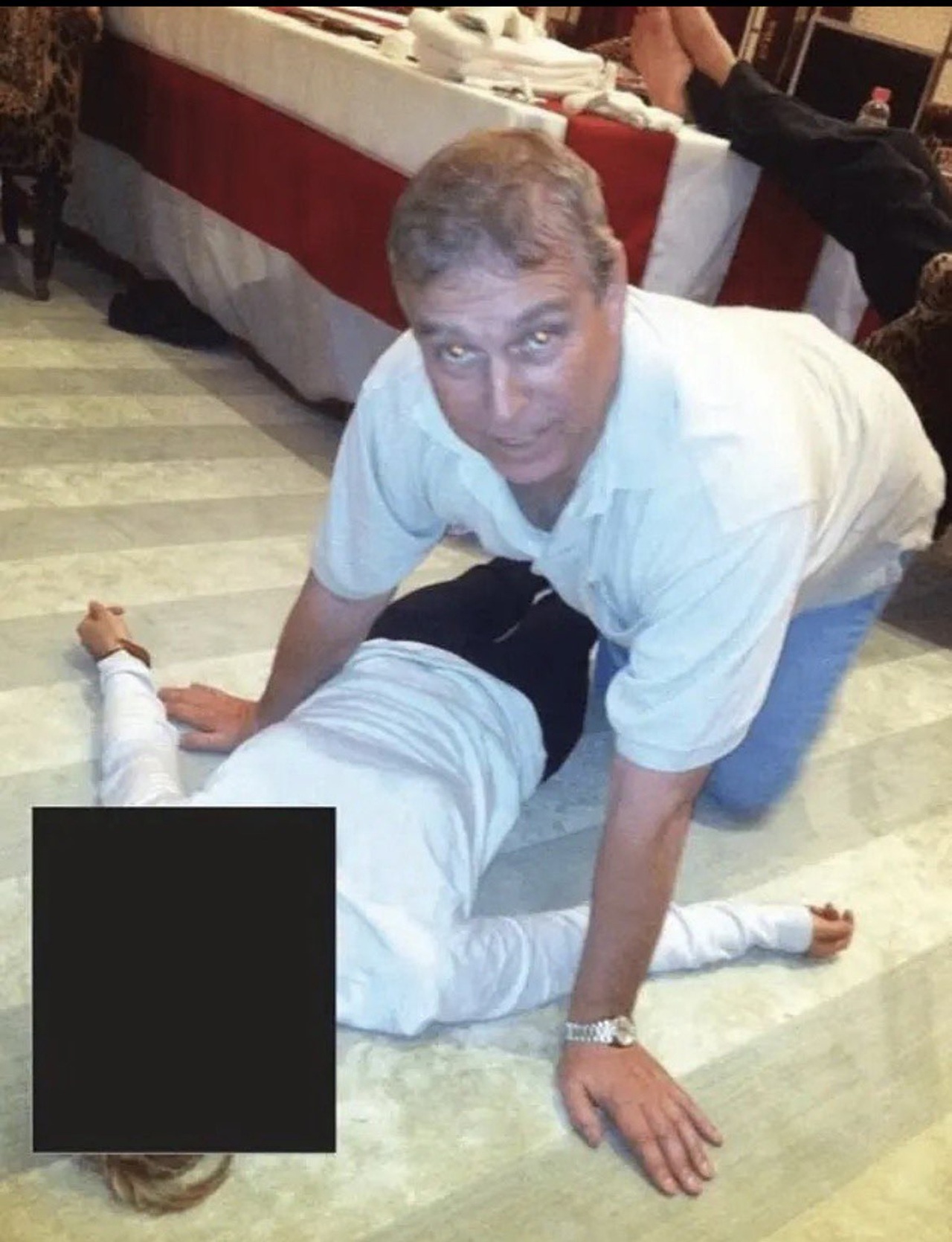
With widely available tools, bad actors can now create convincing composite images within minutes – adding faces, altering backgrounds, or staging entirely fictional encounters.
Once released online, such images travel rapidly through partisan networks, where confirmation bias fuels their spread faster than fact-checks can contain them.
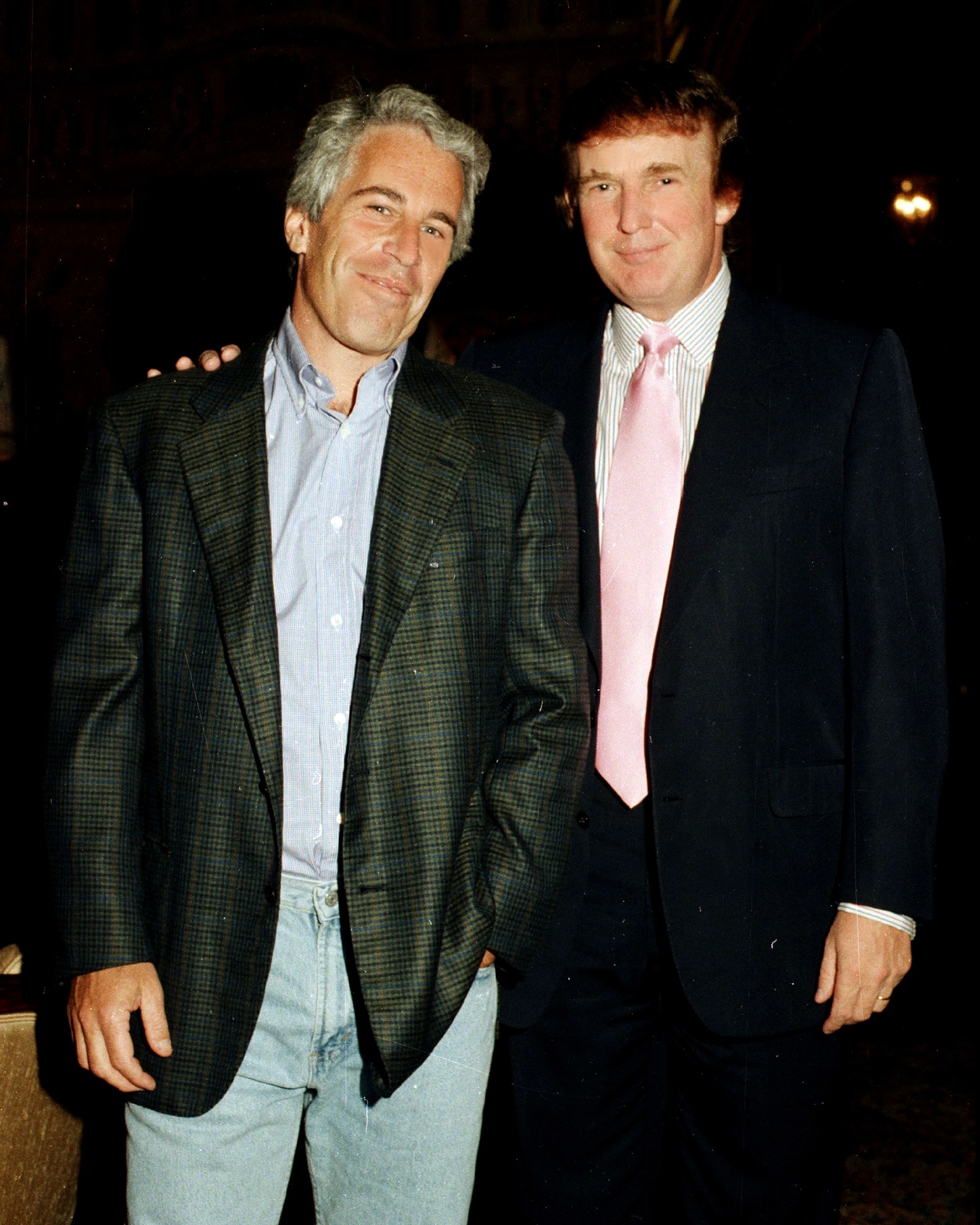
The political consequences are significant. False visual links can damage reputations, inflame polarisation, and distort legitimate scrutiny surrounding Epstein’s real network.
In some cases, politicians with no verified connection to Epstein have been targeted through viral deepfakes designed to weaponise public anger.
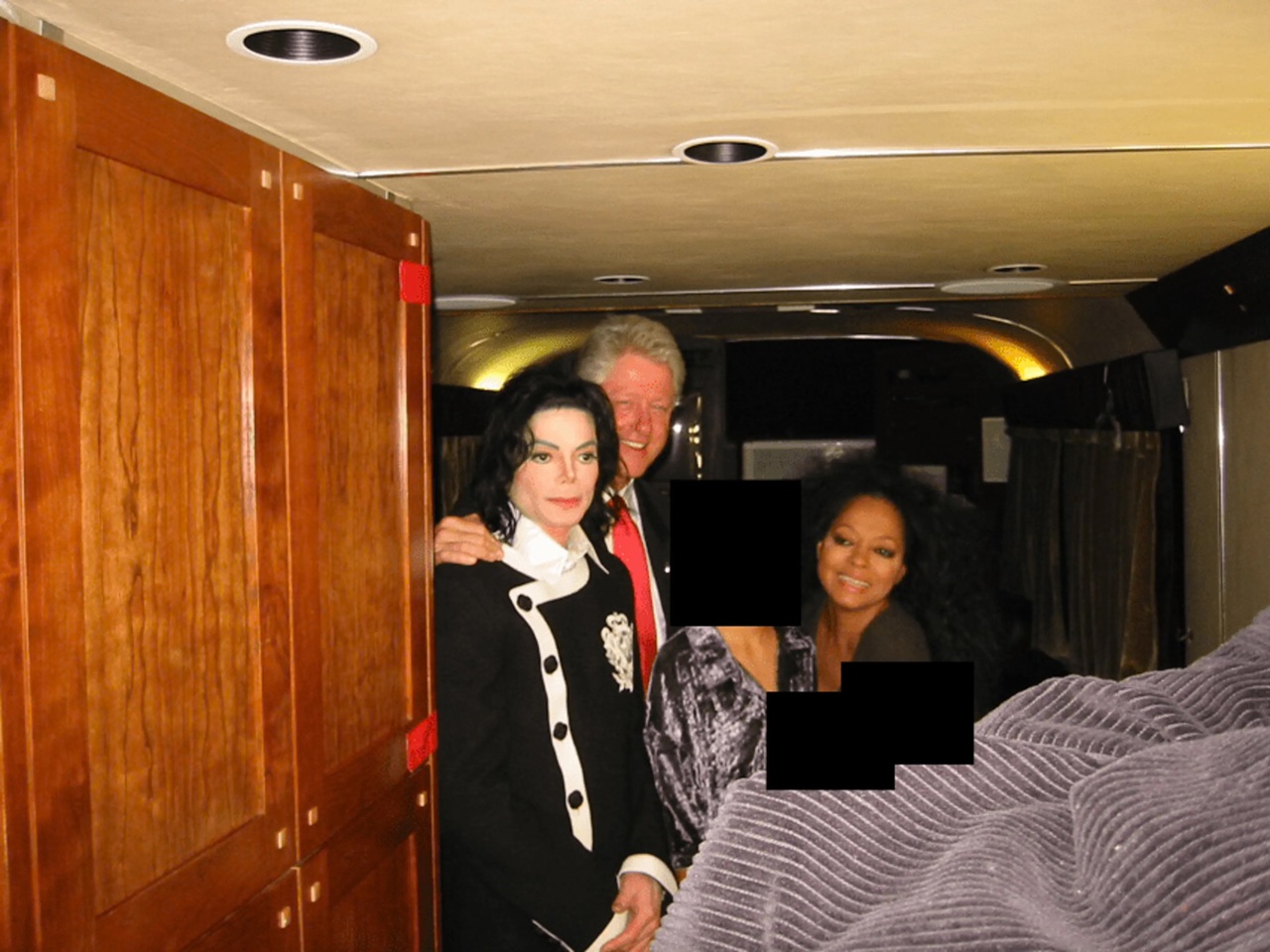
A moral tension lies in distinguishing direct perpetrators, enablers, passive associates, and unwitting social contacts. Being named in documents does not equal guilt but it does force ethical scrutiny. Why maintain relationships with known offenders?
Gender, class, and power hierarchies sit at the heart of the Epstein scandal. On one side stood wealthy men, political elites, and celebrated philanthropists – figures shielded by money, status, and institutional access.
On the other were underage girls, aspiring models, students, and economically insecure young women whose social and financial precarity made them easy targets.
Finally, the Epstein Files contribute to a broader cultural reckoning already shaped by #MeToo and global anti-trafficking movements.
They challenge society to confront difficult truths:Fame does not equal virtue. Philanthropy can mask predation. Power can purchase silence.