BNP Chairman Tarique Rahman is currently finding his voice, and his place in history, in a transformed Dhaka. After a seventeen-year absence, the man who was once prohibited from speaking to his country via local media, is now battling the local climate as he prepares for a historic election.
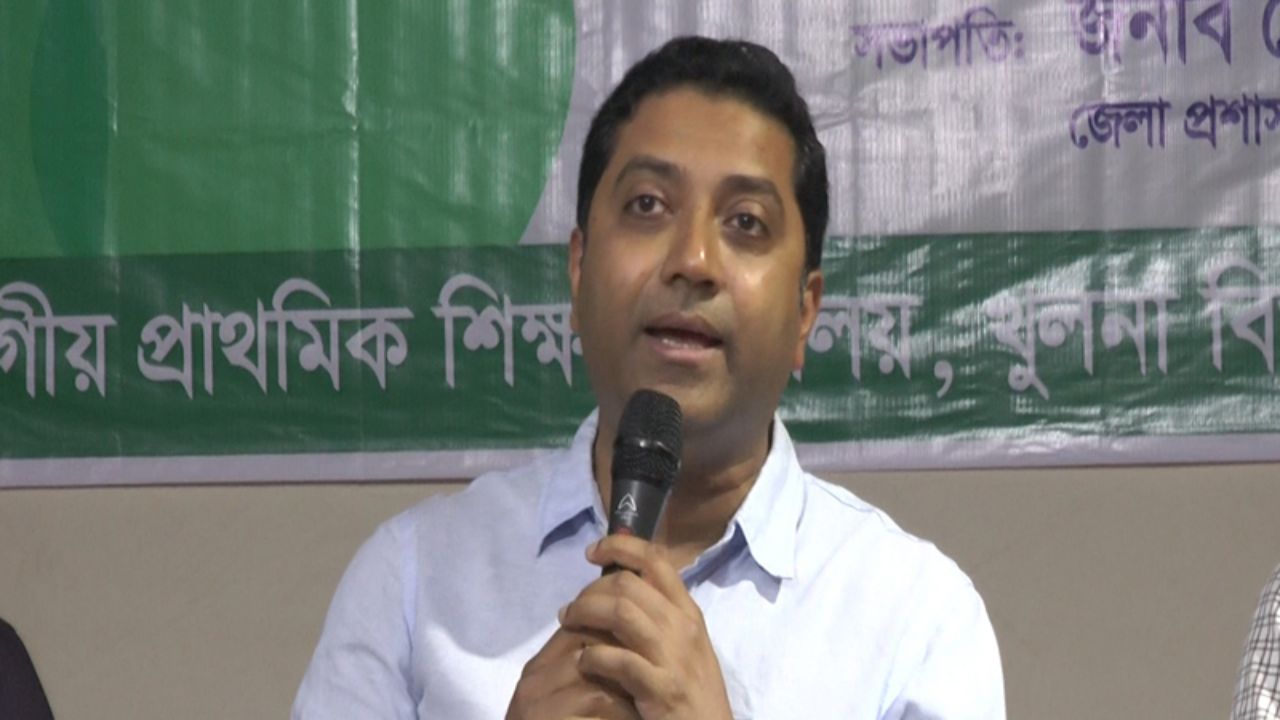
In his first interview with TIME Magazine since returning home, the de facto opposition leader admitted that while he is not a natural speaker, he is deeply committed to his duties.
His homecoming on 25 December last year drew hundreds of thousands to the airport, though the triumph was soon followed by the death of his mother, BNP chairperson and former prime minister Khaleda Zia.
Tarique now stands as the clear favourite for the 12 February polls, aiming to bridge the gap between the established political class and the “Gen-Z” activists who removed Sheikh Hasina 18 months ago.
Reconciling with a controversial past
Tarique’s political identity is defined by a deep-seated dynastic rivalry; as the son of independence leader Ziaur Rahman and Khaleda Zia, he represents a powerful alternative to the ousted Hasina. However, his reputation remains a point of contention.
During his party’s previous tenure from 2001 to 2006, Bangladesh was frequently cited as one of the world’s most corrupt nations, and Tarique himself was labelled a “symbol of kleptocratic government” in a 2008 US diplomatic cable.

He is still occasionally mocked with the nickname “Khamba Tarique,” a reference to an alleged electricity pole procurement scandal.
Tarique dismisses these allegations as political theatre, noting that his prior convictions were overturned by the interim administration. He blames the suppressed media for “blindly parroting” the accusations made during the Hasina era.
His time in London was not merely a political retreat but a period of physical recovery from spinal injuries sustained during his 2007–2008 imprisonment and torture. Despite the “dark prince” label used by his critics, recent polling suggests his BNP holds roughly 70 percent support.
To his supporters, Tarique is a persecuted redeemer returning to save his troubled homeland.


Technocratic reform and constitutional change
During his quiet years in Richmond Park, Tarique appears to have developed a penchant for detailed policy work.
The BNP chief’s vision for the future is surprisingly technocratic. He proposes the excavation of 12,000 miles of canals to restore the water table and the planting of 50 million trees annually to combat land degradation.
He also advocates for trash-burning power plants and public-private healthcare partnerships to ease the burden on the state. “If I can implement just 30% of what I have planned, I’m sure the people of Bangladesh will support me,” he asserts.
Beyond infrastructure, Tarique is championing a constitutional referendum. Proposed changes include a bicameral legislature, greater power-sharing between the President and Prime Minister, and a ten-year limit on the prime-ministerial term.
While he does not support the formal banning of political parties—fearing it could set a precedent against his own movement – he maintains that those responsible for crimes during the previous regime must face legal punishment.
Economic crises and international ties
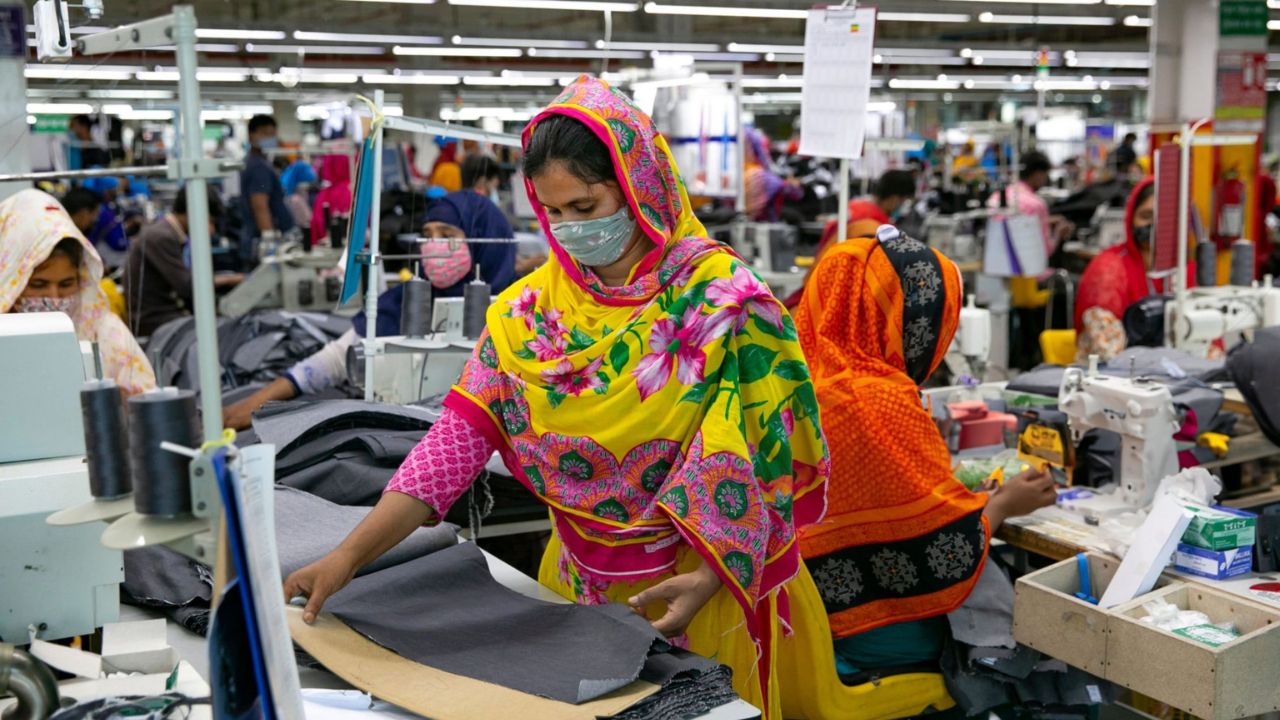
The incoming administration will inherit a nation plagued by high inflation, a devalued Taka, and a 13.5 percent youth unemployment rate. Shrinking foreign reserves have led to import restrictions, stifling the manufacturing sector.
Internationally, Tarique faces a diplomatic hurdle with the United States, which recently imposed 20 percent tariffs on Bangladeshi exports. He hopes to negotiate a resolution by suggesting the purchase of Boeing aircraft and US energy infrastructure, describing President Donald Trump as a “very reasonable man.”
Relations with India remain sensitive. While India is a crucial trade partner and transit route, many young Bangladeshis view New Delhi with suspicion due to its long-standing support for Hasina.
Tarique states that while he wishes to advance bilateral relations, the interests of the Bangladeshi people must be prioritised first.
The challenge of resurgent Islamism
The post-revolution environment has seen a significant rise in Islamist influence. The interim government, led by Nobel laureate Muhammad Yunus, lifted the ban on Jamaat-e-Islami, which has since seen its student wing dominate university elections.
This shift has led to the sidelining of women’s rights and minority protections; notably, proposals for gender equality were shelved following Islamist protests.
The country has faced a breakdown in law and order, marked by vigilante violence and mob attacks. Tarique identifies the restoration of the rule of law as his primary objective to ensure citizen safety and business stability.
As he navigates the high-security confines of his Dhaka home, Tarique draws inspiration from a famous film quote to describe his current position, “With great power comes great responsibility.”
Whether he can transcend his family’s history and meet the expectations of a new generation remains the defining question of his return.