While Bangladesh has seen unusually swift trials in several recent child rape and murder cases, the investigation into the death of a 10-year-old boy at a Qawmi madrasa in Dhaka’s Banasree has made little progress more than two months after the incident, raising concerns over delays in cases involving religious educational institutions.
Police have yet to receive the post-mortem report in the case, making it impossible to say when the investigation will be completed, according to the investigating officer.
Law enforcement officials have maintained from the outset that the child showed signs consistent with sexual assault. Rights advocates say allegations of sexual abuse in madrasas have frequently failed to reach prosecution in the past, prompting renewed concerns that the Banasree case could face a similar fate.
The contrast has become more apparent following the rapid disposal of several recent child rape and murder cases. In one such case, police arrested the two main suspects within seven hours of the alleged rape and murder of an eight-year-old girl in Dhaka’s Mirpur on 19 May.
On 7 June, just 19 days later, the Dhaka Metropolitan Child Violence Prevention Tribunal sentenced the accused, Sohel Rana and his wife Swapna Khatun, to death. State prosecutors have also said they will seek an expedited hearing in the High Court.

Similar fast-track trials have taken place elsewhere. In Chattogram, a man accused of raping a four-year-old girl in Bakalia on 21 May was sentenced to life imprisonment on 17 June.
In Mymensingh’s Dhobaura, a case involving the rape and murder of a five-year-old girl was concluded within 25 days, with three people sentenced to death and a juvenile offender receiving 12 and a half years’ imprisonment.
By contrast, there has been little progress in the investigation into the death of the 10-year-old boy whose body was recovered from a toilet at Alokito Quran International Madrasa in Banasree’s Block C.

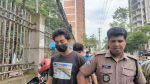


Police said the child had abnormal injuries around the anus, leading investigators to suspect he had been sexually assaulted. Following questioning by journalists, madrasa authorities identified another student, Mohammad Shihab, as a suspect.
The victim’s mother later filed a case with Rampura Police Station naming Shihab and several unidentified individuals, accusing them of abetting suicide.
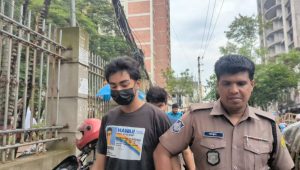
Police arrested Shihab from Pabna on the night of 20 May. He was remanded in police custody for five days before being sent to jail.
The case is being investigated by SI Saiful Islam of Rampura Police Station. “We have not yet submitted the investigation report to the court because we are still waiting for the post-mortem report,” he told TIMES of Bangladesh.
Asked why the investigation had stalled while other child murder cases had already reached verdicts, the officer again cited the absence of the autopsy report. He also said Shihab admitted during interrogation to sexually assaulting several students.
Meanwhile, the madrasa has relocated from Banasree to Cumilla. Information obtained by TIMES indicates the institution was moved around six weeks ago. Its Facebook page remains active, however.
When contacted through the phone number listed on the page, a person answering the call said the Banasree campus had been closed for “personal reasons” but declined to identify himself.
ASM Nasir Uddin Elan, director of the human rights organisation Odhikar, said there was no justification for delaying justice in crimes committed at madrasas. “Every allegation must be properly investigated and brought to trial,” he told TIMES.
He also called for an effective oversight mechanism involving respected members of local communities to monitor madrasas.
“The concerns surrounding madrasas can only be addressed if the authorities of these institutions take greater responsibility to ensure that students are protected from all forms of abuse and sexual violence,” he said.