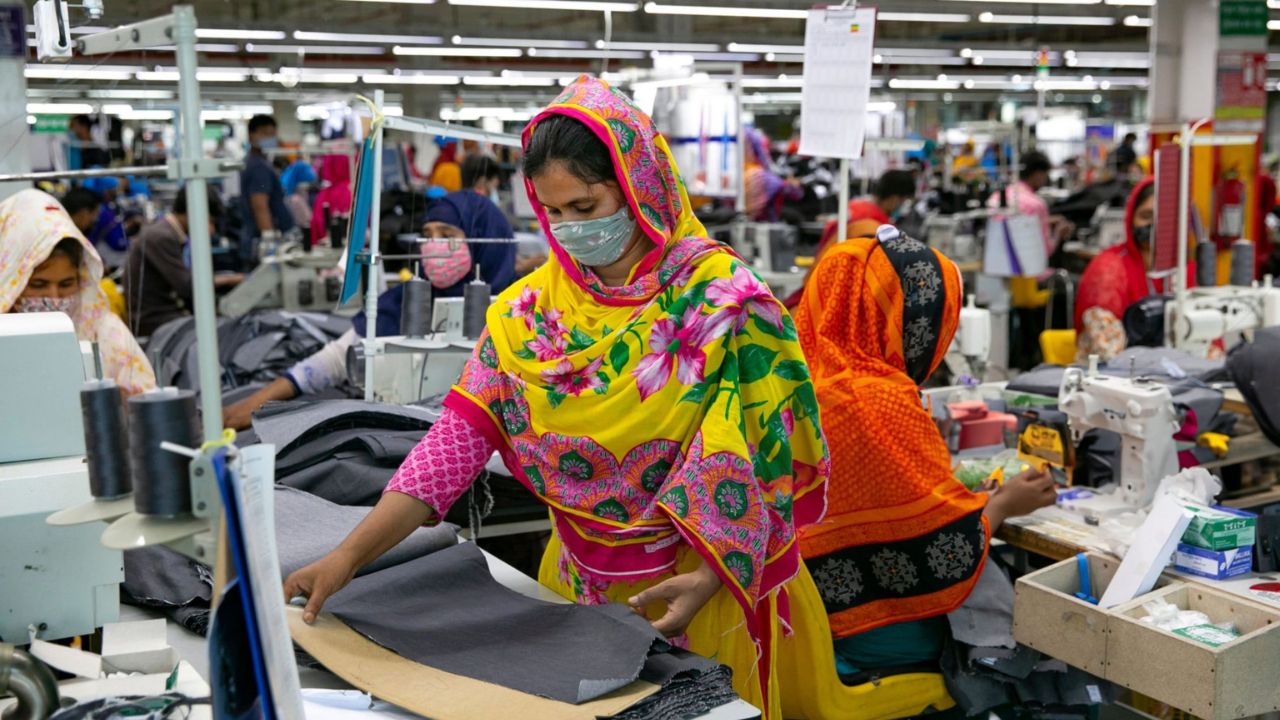


Women entrepreneurs in Bangladesh are struggling to survive amid rising costs, high interest rates, declining sales, and complex tax procedures, said Merina Hossain, general secretary of Women Entrepreneurs Network for Development Association (WEND).
In a recent interview with TIMES of Bangladesh ahead of the national budget, she called for tax relief, simplified VAT, affordable loans, and stronger institutional support to help women-led small businesses.
Many small entrepreneurs face steep operational costs and shrinking profits. Participation in online and offline fairs has dropped over the last two months, with offline events attracting very few customers, leaving businesses barely breaking even.
“While most small businesses are struggling to survive, the stronger ones are merely surviving, not growing,” Merina said.
“Small entrepreneurs need strong capital and all other institutional supports. Existing ones alone are no longer enough.”

High rents and limited capital force many women to close shops within six to seven months. Reduced consumer purchasing power further affects businesses selling lifestyle, fashion, and handcrafted goods.
Rising stall rents at fairs—from Tk15,000 to Tk30,000, while international fairs cost several lakh—make participation unaffordable for small enterprises.
“Some of our women cannot even afford a single stall, yet they are forced to compete,” she said.
Rising loan interest rates, nearly doubling from 4.5 per cent to almost 9 per cent, add further pressure.




Merina suggested tax-free or VAT-free facilities for new women-led businesses, higher income tax thresholds, and revision of outdated financial ceilings such as Tk50 lakh or Tk1 crore.
“Without supportive financial policies, starting a business is almost impossible for women today,” she added.
Administrative and legal procedures remain cumbersome. Trade licenses, VAT registration, and DBID numbers are mandatory but often intimidating for new entrepreneurs.
“Monthly VAT returns create unnecessary pressure. Many entrepreneurs give up before even starting,” she said.
Merina emphasised that proper trade and business registration is essential to establish credibility and protect women entrepreneurs.
Government support is limited. A one-time grant of Tk50,000 is available but often only covers raw materials.
“This amount barely scratches the surface. If the support was at least Tk100,000, it could have made a real difference,” she said.
Reflecting on trends over the past decade, she said the COVID-19 pandemic encouraged a surge in women entrepreneurs, especially online.
Many later left due to social and family pressures, but others persevered to establish their own identity. “Despite social barriers, women are proving they can run businesses and succeed,” she said.
Despite these challenges, Merina remains optimistic. “University students are now taking entrepreneurship alongside studies. This trend will grow the number of women entrepreneurs in the coming years,” she said.
WEND has submitted budget proposals to the National Board of Revenue and received positive feedback.
“If the government implements supportive policies, simplifies taxes, and provides affordable loans, women entrepreneurs can not only survive but thrive,” she added.