


The state-appointed inquiry commission has concluded that the widespread phenomenon of enforced disappearances in Bangladesh was primarily “politically motivated,” naming deposed prime minister Sheikh Hasina and her senior officials as directly involved in high-profile cases.
The Commission of Inquiry on Enforced Disappearances, which submitted its final report to Chief Adviser Muhammad Yunus on Sunday, stated it had verified 1,569 cases, with evidence pointing to instructions from the “highest levels” of the previous regime.
The commission stated that it had received a total of 1,913 complaints. Following scrutiny, 1,569 of these complaints were considered enforced disappearances.
Among the 1,569 victims, 287 complaints fell under the “Missing and Dead” category. Of them, 251 individuals remain missing and are presumed dead. After a certain period of disappearance, the bodies of the remaining 36 people were recovered.
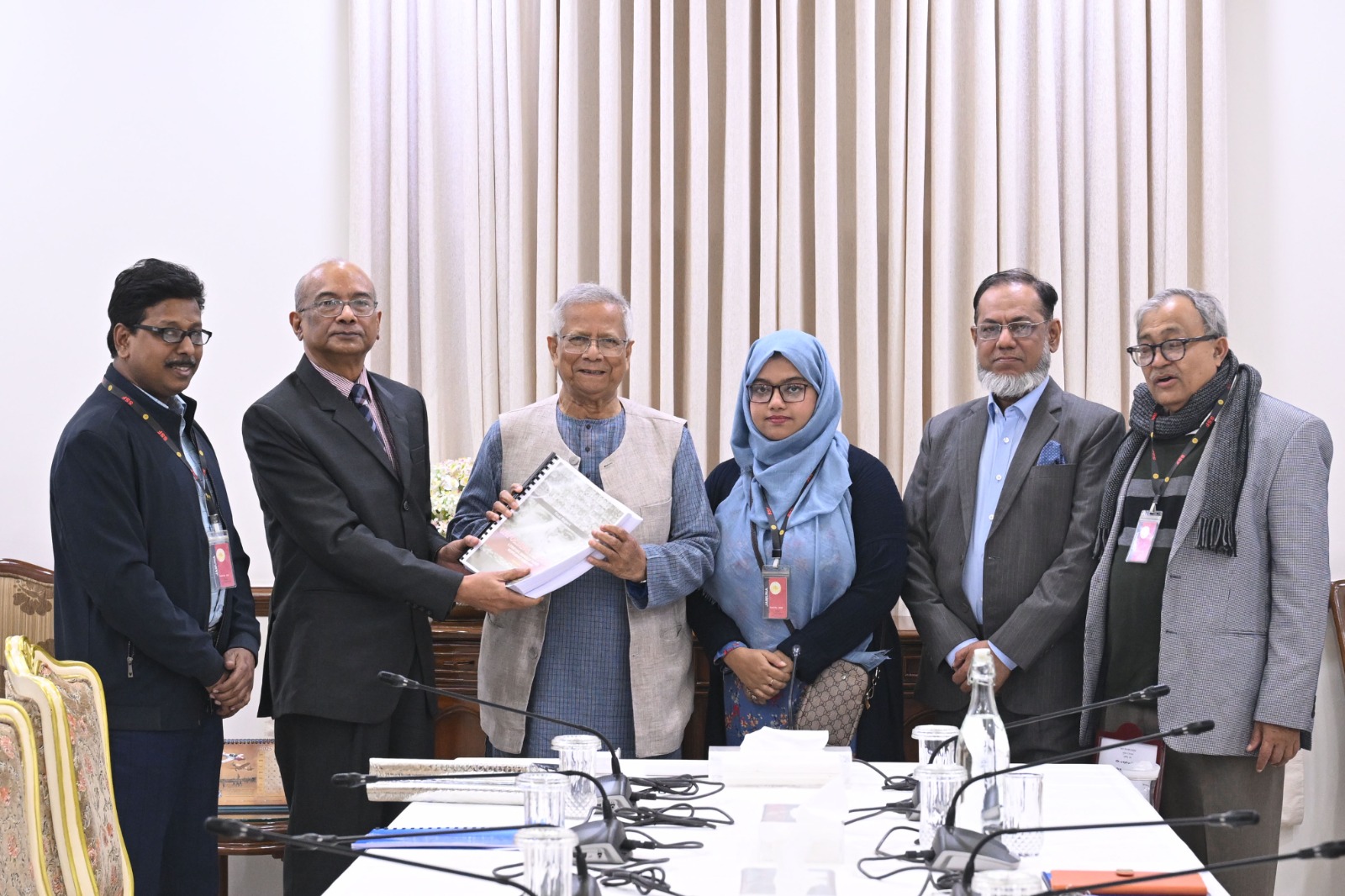
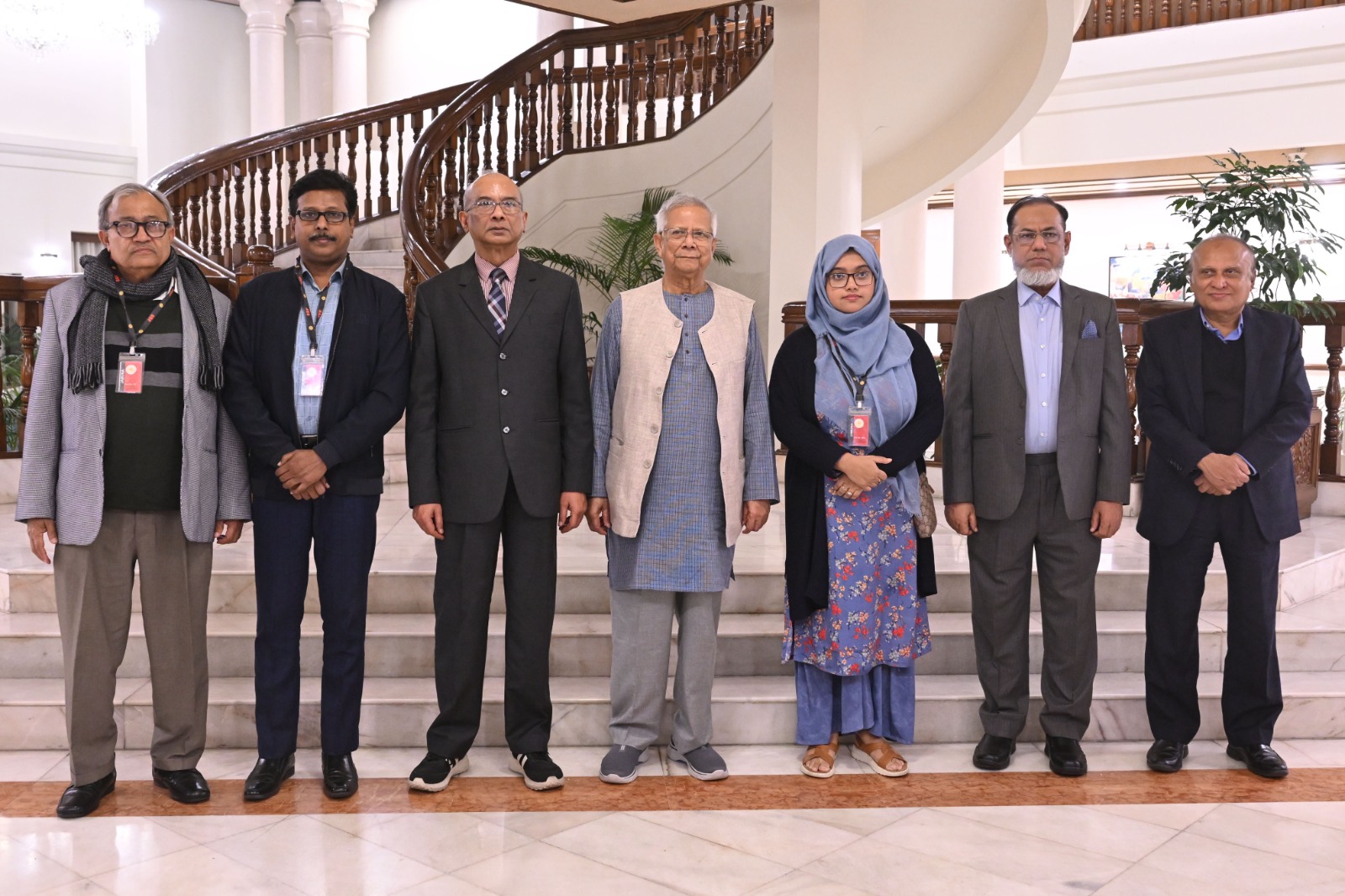
The commission submitted its report at the state guesthouse Jamuna in the afternoon.
Present were the commission’s chairman, retired justice Moinul Islam Chowdhury; members retired justice Md Farid Ahmed Shibli, Nur Khan Liton, Nabila Idris, and Sazzad Hossain. Also in attendance were Housing and Public Works Adviser Adilur Rahman Khan and the Chief Adviser’s Principal Secretary Siraj Uddin Miah.

Commission member Nabila Idris, noting that people are still coming forward with complaints, said, “The number of disappearances could be between four and six thousand.”
“When we contact victims of enforced disappearances, they lead us to other victims who did not contact us, were unaware of our work, or have moved abroad. There are many whom we contacted proactively, but they refused to speak on the record,” she added.
The commission’s report reveals that among those victims who returned alive, 75 percent were leaders and activists of Jamaat-e-Islami and its student wing Islami Chhatra Shibir, while 22 percent were leaders and activists of BNP and its associate bodies.
Among those still missing, 68 percent are from BNP and its affiliates, and 22 percent are from Jamaat-Shibir.




The commission found evidence of the direct involvement of the then-Prime Minister Sheikh Hasina, her Defence Adviser Major General (Retd) Tarique Ahmed Siddique, and the then-Home Minister Asaduzzaman Khan in high-profile disappearance cases. Notable names in these cases include BNP leader Ilias Ali, Hummam Qader Chowdhury, Salahuddin Ahmed, Chowdhury Alam; Jamaat leader former Brigadier General Abdullhil Aman Azmi; Barrister Mir Ahmad Bin Quasem; and former ambassador Maroof Zaman.
Commission members stated that the former prime minister herself was the direct instigator in many disappearance cases. Furthermore, information regarding the rendition (clandestine transfer without due process) of victims to India makes it clear that these acts were carried out on instructions from the highest levels of the government.
Chief Adviser Yunus thanked the members of the Enforced Disappearances Inquiry Commission for their tireless work and firm resolve.
He said, “This is a historic task. On behalf of the nation, I thank all members of this commission. The incidents you have described – if one were to summarise them with a word, the Bengali term ‘poishachik’ (fiendish) would be appropriate.”
“You have witnessed these brutal events by going through the experiences of those who endured them. This work could not have been completed without firm resolve,” he added.
The chief adviser said, “This report documents the atrocious acts that can be perpetrated upon people under the guise of democracy after crippling all institutions of Bangladesh. It documents how low human beings can sink, how fiendish and monstrous they can become.
“Those who carried out these horrific acts are human beings like us. After committing the most brutal acts, they are living normal lives in society. As a nation, we must forever break free from such brutality. We must find a path to remedy this, so such brutality never returns.”
The chief adviser called for the report to be made accessible to the public in simple language. He also directed the commission to submit necessary recommendations and future action plans.
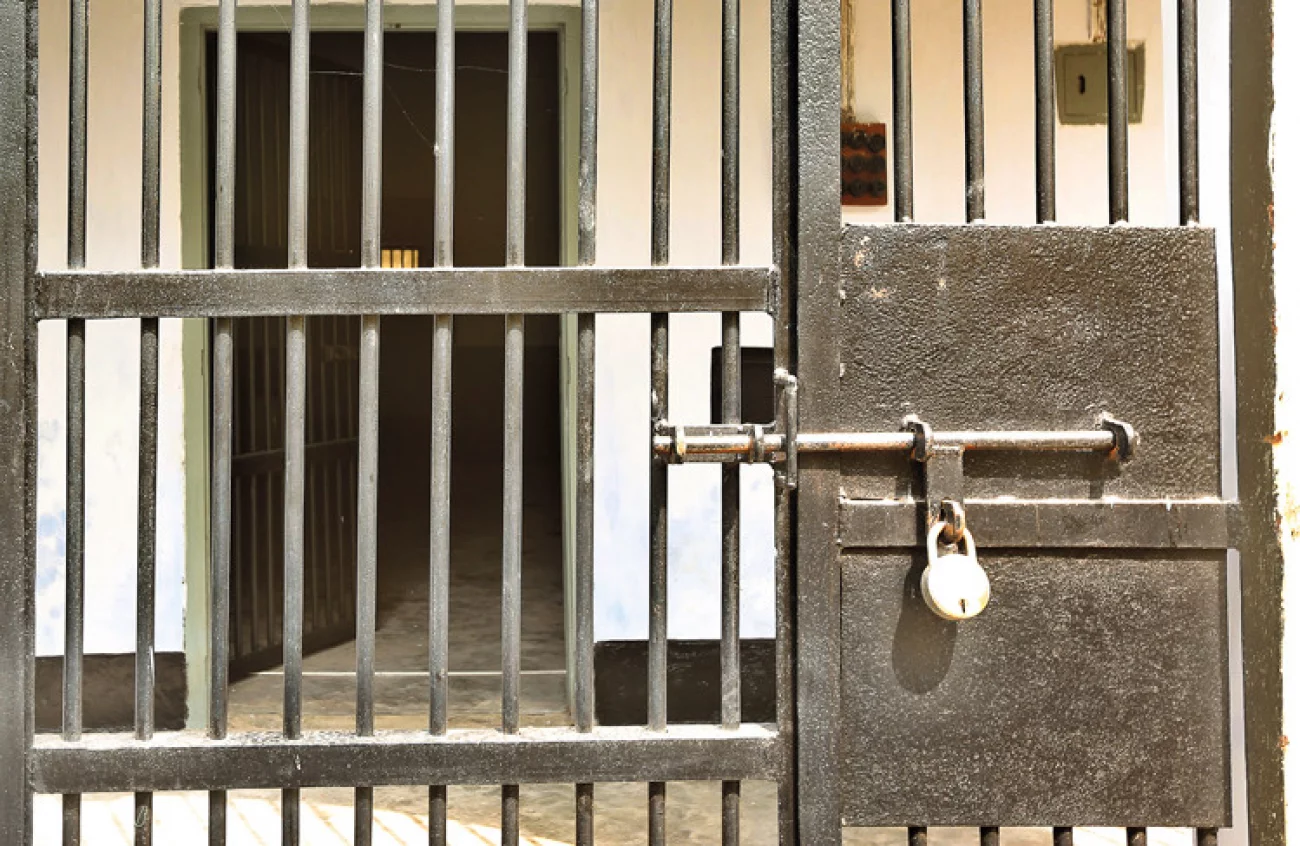
Furthermore, Yunus instructed the mapping of locations, including the infamous “Ayana Ghor” (mirror room), where extrajudicial killings and body disappearances occurred.
The commission stated that, according to its investigation, the highest number of killings and body disappearances took place in the Baleshwar River in Barisal. Hundreds of victims were killed and dumped in this river.
Evidence of bodies being disappeared was also found in the Buriganga River and in Munshiganj.
The members of the Enforced Disappearances Inquiry Commission extended special thanks to the chief adviser.
Noting that the work could not have been completed without his firm stance, they said, “We succeeded because you remained steadfast. You have always provided us with whatever assistance was required. You strengthened our resolve.”
They urged the chief adviser to reconstitute the National Human Rights Commission to carry this work forward and called upon the government to take measures to ensure the protection of the victims.