While global attention shifts between geopolitical flashpoints, a quieter, more devastating crisis is unfolding in Gaza. This one is measured not by explosions but by empty plates.
Across the besieged strip, access to food has become dangerously scarce. Aid agencies and analysts warn that what is happening is not simply a byproduct of war, but the result of deliberate restrictions on essential supplies. Reports indicate that limitations on fuel, food, and medical aid have created a system where survival itself is uncertain.
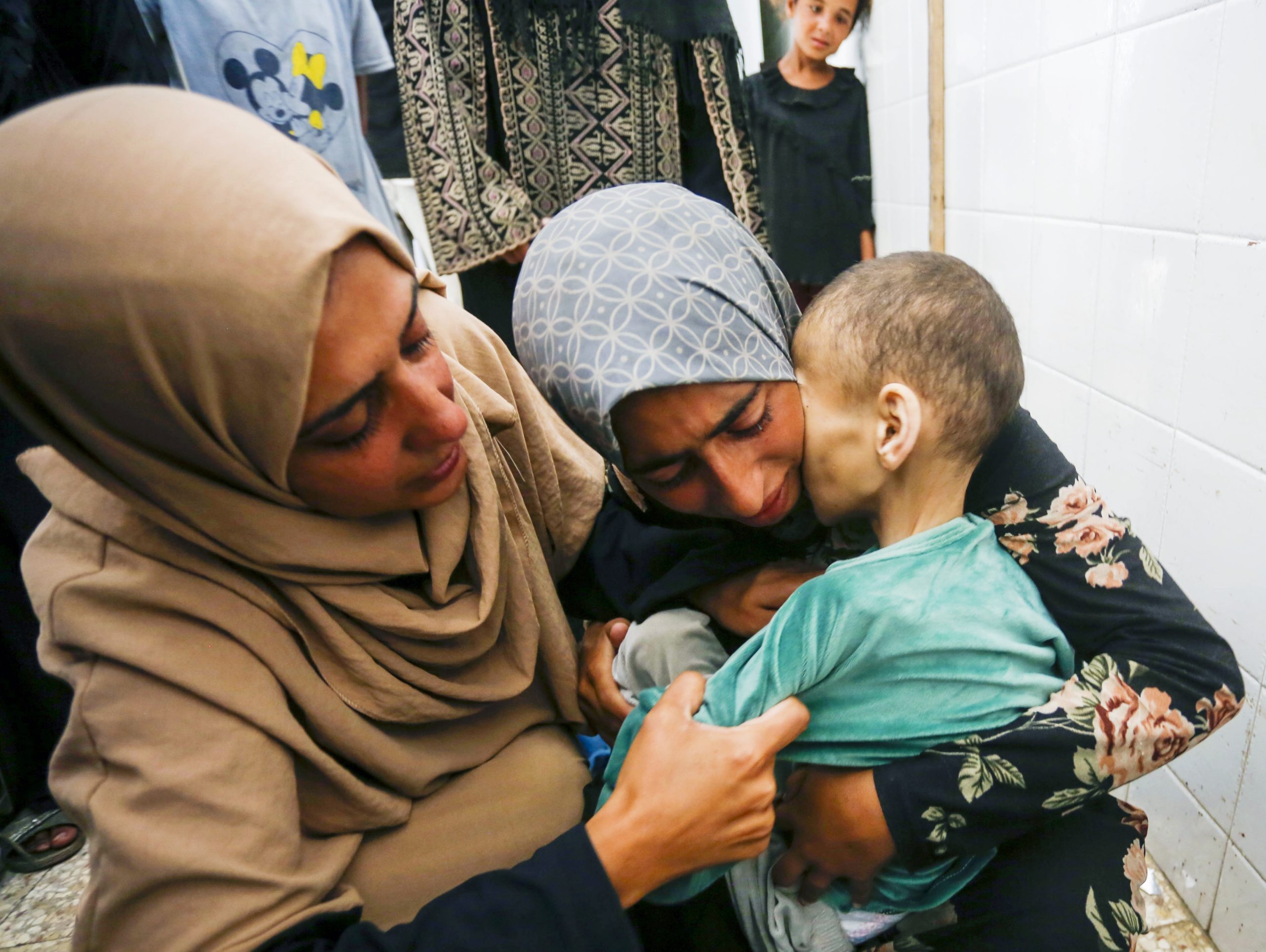
For ordinary Palestinians, the consequences are immediate and brutal. Bread shortages are deepening, baby formula is disappearing, and clean water is increasingly difficult to find.

According to the Integrated Food Security Phase Classification (IPC), around 1.6 million people (about 77% of Gaza’s population) are facing acute food insecurity. This includes over 5,71,000 people in emergency conditions and thousands already in catastrophic levels of hunger.
Children are at the centre of this crisis. Projections show that nearly 71,000 children under five will suffer acute malnutrition, including over 14,000 severe cases. Hospitals, already strained, are struggling to respond to a growing wave of nutrition-related illnesses.




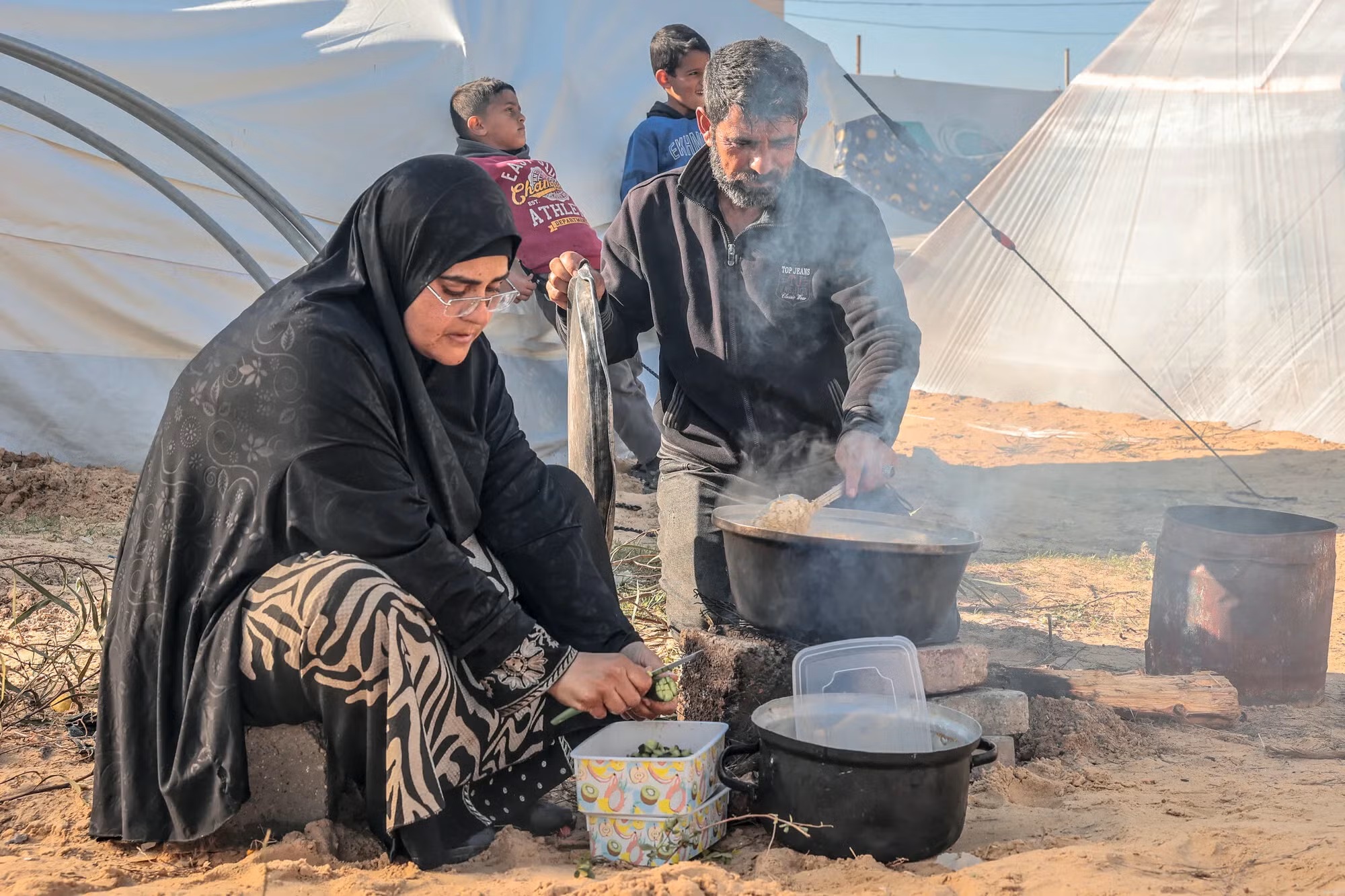
There have also been repeated reports of civilians being killed or injured while attempting to access food aid. In several documented incidents cited by international media and humanitarian organisations, people gathering near aid convoys or waiting in distribution lines have come under fire. These incidents have further intensified fear among civilians, turning even the act of seeking food into a life-threatening risk.
What makes Gaza’s hunger crisis particularly alarming is its structural nature. Agriculture has largely collapsed, markets barely function, and the population is almost entirely dependent on external assistance. Destruction of infrastructure, from bakeries to farmland, has stripped Gaza of its ability to sustain itself.
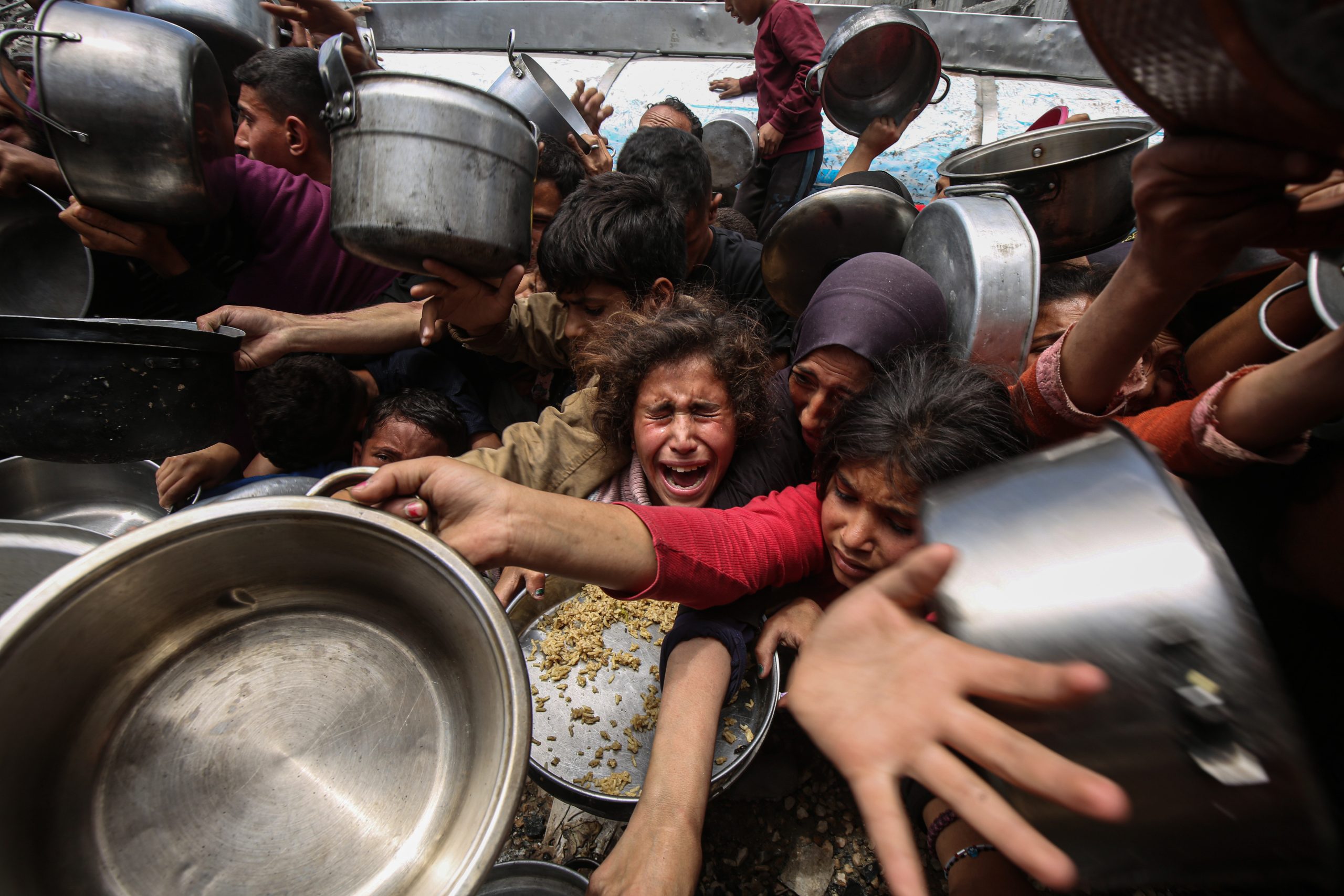
Humanitarian organisations argue that restricting access to food and aid in a conflict zone crosses into dangerous legal and moral territory. The use of starvation as a method of warfare is prohibited under international law. Yet accusations continue to mount from multiple quarters that such tactics are effectively being employed.
Meanwhile, civilians wait in long lines for food that may not arrive. Parents skip meals so their children can eat. In overcrowded shelters, hunger is not just a symptom of crisis; it is the crisis itself.
Gaza today is not only a battlefield. It is a place where survival is negotiated daily, and where hunger has become one of the most powerful and silent weapons of all.