
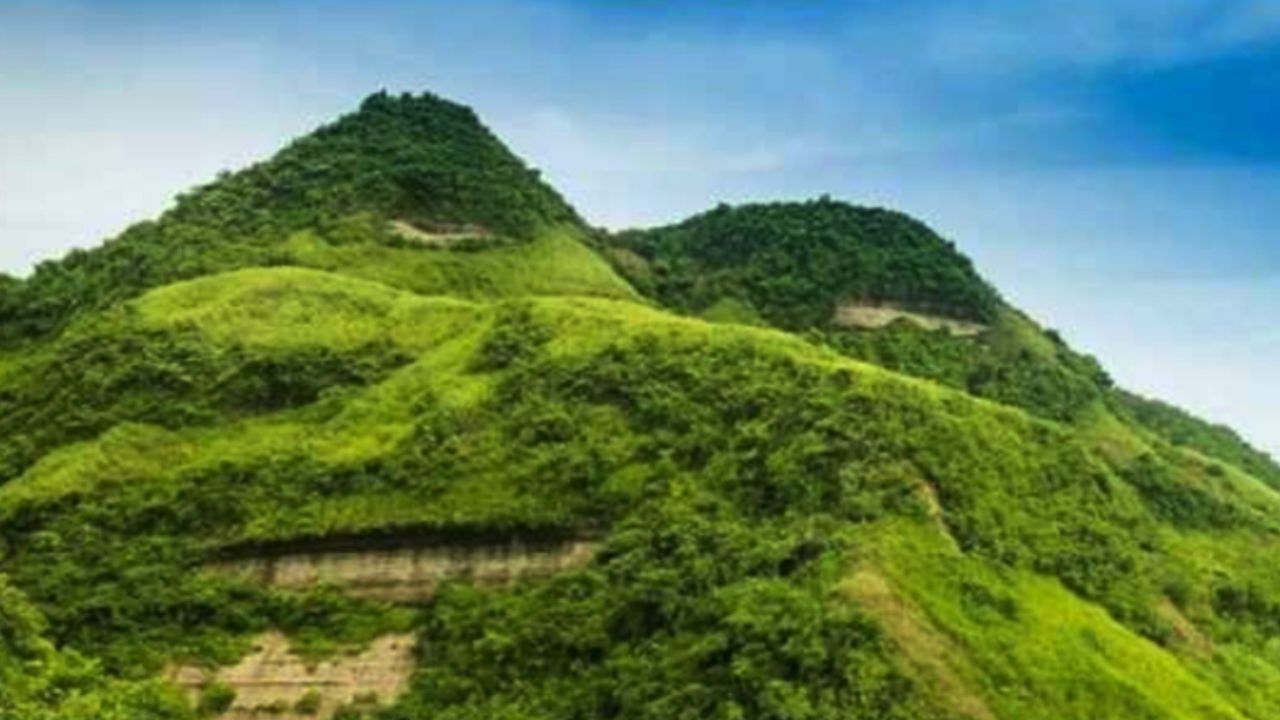




Hanle is a small village in the Ladakh region of northern India, close to the India–China border and 5,200 metres above sea level. Reaching it takes time, patience and a long road journey from Leh. But once you’re there, the reason people come becomes clear, especially after sunset.
Nothing much seems to happen at first. The village is small, the buildings low and pale against the earth. Days move slowly here. You wander past meadows threaded with narrow streams, visit the white-washed Hanle monastery overlooking the valley and return to your homestay for simple Ladakhi meals. There are a few shops, no cafes to linger in and no reason to rush.

Then, evening arrives. As the light fades, you notice the sky changing. Blue deepens into something darker and stars begin to appear – not all at once, but steadily, until the sky feels crowded. Someone points overhead and you realise the faint, cloudy streak above you is the Milky Way. In Hanle, this isn’t a special event; it’s just how night looks.

The village lies in a high-altitude cold desert with almost no light pollution. Hanle is rated among the darkest places on the Bortle dark sky scale, with clear skies on most nights of the year. Locals keep outdoor lighting to a minimum, often switching lights off entirely after sunset, letting the sky take over.
In 2022, this darkness was formally protected with the creation of the Hanle Dark Sky Reserve, which stretches across six villages and more than 1,000 square kilometres. The reserve also includes the Indian Astronomical Observatory, built here after scientists recognised how ideal Hanle’s skies were for studying the universe.
After dinner, you join a small stargazing session in a local courtyard. A trained astro guide sets up a telescope and uses a red laser to trace planets and distant galaxies. Saturn’s rings come into view. Then Andromeda. The explanations are simple and unhurried. You listen but mostly you are amazed by the view.
For the Changpa community, the sky has always mattered. Celestial events feature in Buddhist rituals and folk songs, woven into everyday life long before telescopes and tourists arrived. Today, those traditions sit alongside astrotourism, which has brought new income through homestays, guiding and events like Hanle’s annual Star Party, held each September during the short travel season.
As interest in Hanle grows, so do concerns about keeping the village quiet and dark. Locals speak openly about the need for balance – welcoming visitors without losing what makes the place special.
Late at night, you step outside once more. The cold is sharp, the village silent. Above you, the sky feels impossibly close, uninterrupted by wires or streetlights. Hanle doesn’t ask for attention or admiration. It simply offers you a rare pause.


