Bangladesh’s capital market has once again reached a critical juncture — one where investor psychology matters far more than daily index fluctuations. A healthy market requires both profitability and trust, yet that very trust has eroded rapidly in recent months.
Declining indices, shrinking market capitalisation, and sluggish turnover are merely visible symptoms. Far more alarming is the pervasive uncertainty about the market’s trajectory that has gripped both retail and institutional investors.
A capital market does not exist in isolation. It reflects a country’s broader macroeconomic environment, global dynamics, regulatory policy decisions, and corporate realities.
Current market headwinds cannot be pinned on a single event. Instead, a convergence of multiple crises has pushed the market to its current state — a predicament that demands prudence, policy consistency, and long-term stability to resolve.
Global conditions offer little relief. Rising Middle East tensions, energy supply risks, and potential oil price hikes have rattled financial markets worldwide. Bangladesh is particularly vulnerable, given its heavy reliance on imported energy for industrial production.

Even minor fears of energy disruption spark concerns over operating costs, corporate margins, and future earnings, ultimately spilling over into the trading floor.
Yet external shocks account for only part of the damage. Domestic policy uncertainty has played an equally central role. Regulatory actions ripple through the market almost instantly.
Announcements on sensitive issues such as margin loans made without adequate stakeholder consultation or preparation risk triggering widespread panic. Recent events illustrate this clearly: institutional selling pressure mounted, foreign capital exited, and retail investors ultimately bore the brunt of the losses.



Compounding these challenges is the disappointing performance of top-tier listed companies. Blue-chip stocks are traditionally seen as market anchors. When their earnings and dividends slip, investor confidence falters across the board. A sharp drop in a major corporate stock is rarely isolated; it sends shockwaves through overall market sentiment.
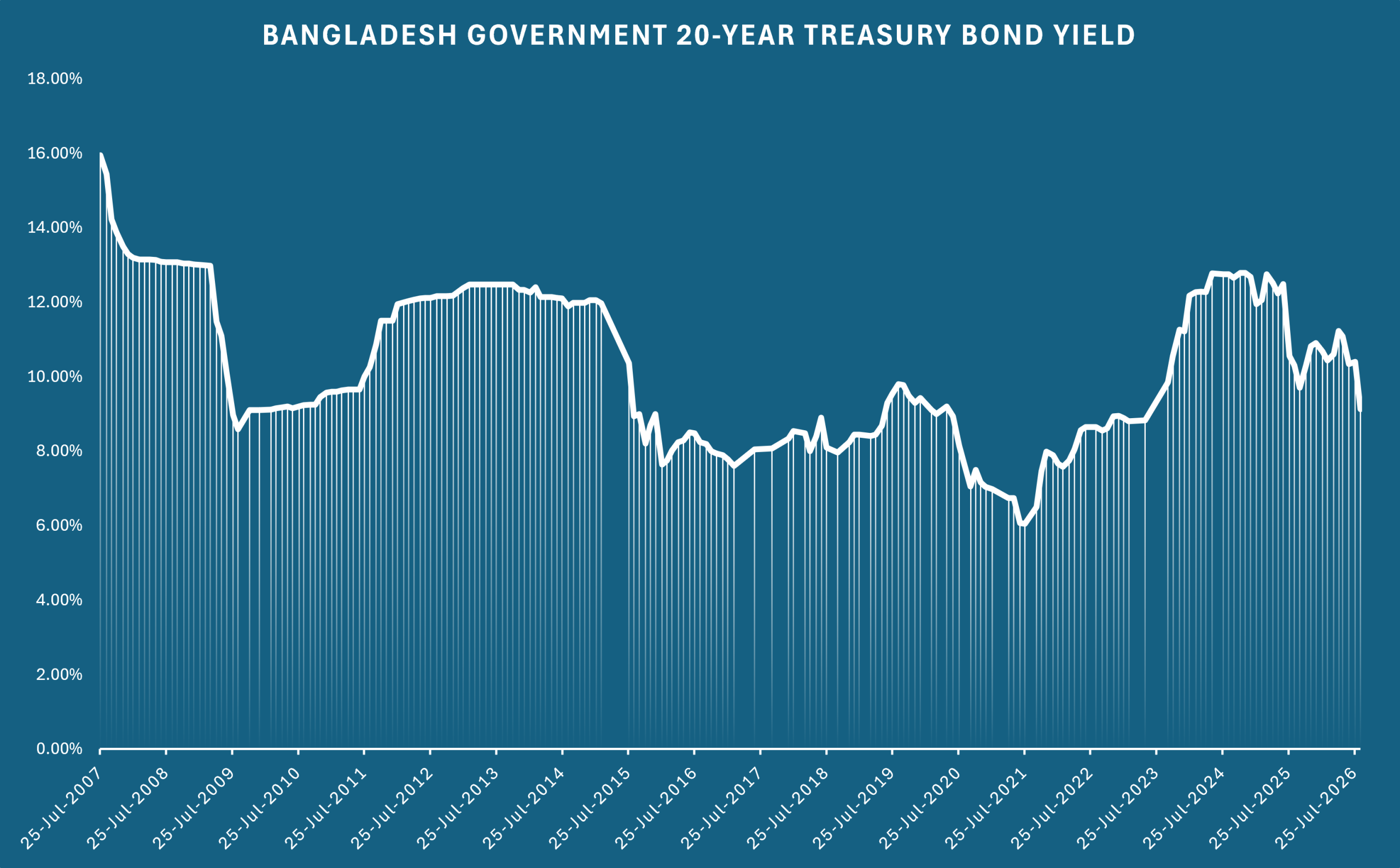
Meanwhile, a persistent liquidity crunch continues to drag on activity. Tighter monetary policy aimed at curbing inflation, coupled with attractive yields on bank deposits, government savings schemes, and alternative investments, has diverted capital away from equities.
Furthermore, the lingering fallout from past efforts to artificially prop up the market continues to weigh on sentiment. Once investor confidence breaks, rebuilding it is always a slow process.
The fundamental question remains: What is the path forward?
First, policy consistency is non-negotiable. Uncertainty is the single greatest drain on market confidence. Regulatory moves must be transparent, data-driven, and formulated in dialogue with market participants. Investors need assurance that policy shifts will be pre-announced, rational, and aimed at long-term stability.
Second, corporate governance must be strengthened. Without transparent financial reporting, timely disclosures, and accountability among listed companies, neither domestic nor foreign capital will remain invested over the long term.
Targeted tax incentives and policy support should also be introduced to attract high-quality private companies to list. A robust capital market cannot exist without solid fundamentals.
Third, liquidity intervention requires a strategic reset. Market support funds must be deployed effectively, but the goal should never be artificial index management. The priority must be building an ecosystem that supports organic trading and restores trust. In parallel, ensuring reliable power and gas supplies to manufacturing hubs will help stabilise listed industrial firms.
Looking ahead, neither unbridled optimism nor absolute despair is warranted. After a prolonged sell-off, several fundamentally sound stocks are trading at attractive valuations. While near-term volatility will persist, selective institutional buying could resume provided policy uncertainty clears and market confidence returns.
For retail investors, the key lesson is clear: panic is not an investment strategy. No market decline lasts forever, just as no rally continues indefinitely. Making hasty trades based on rumours or emotional reactions sharply increases the likelihood of loss. Focusing on corporate fundamentals, earnings prospects, and disciplined risk management remains the soundest approach.
Restoring a capital market takes more than propping up numbers on a board. In the end, the true measure of a stock market is not where its index closes, but how much confidence its investors retain.
The author is a vice president at the Bangladesh-American Chamber of Commerce USA Inc. Views expressed in the article are solely those of the author.