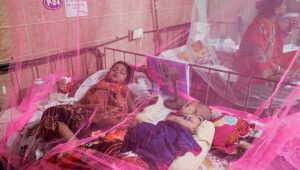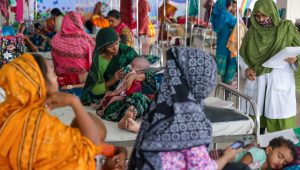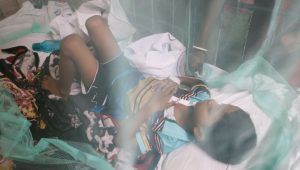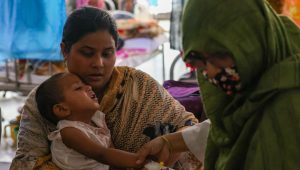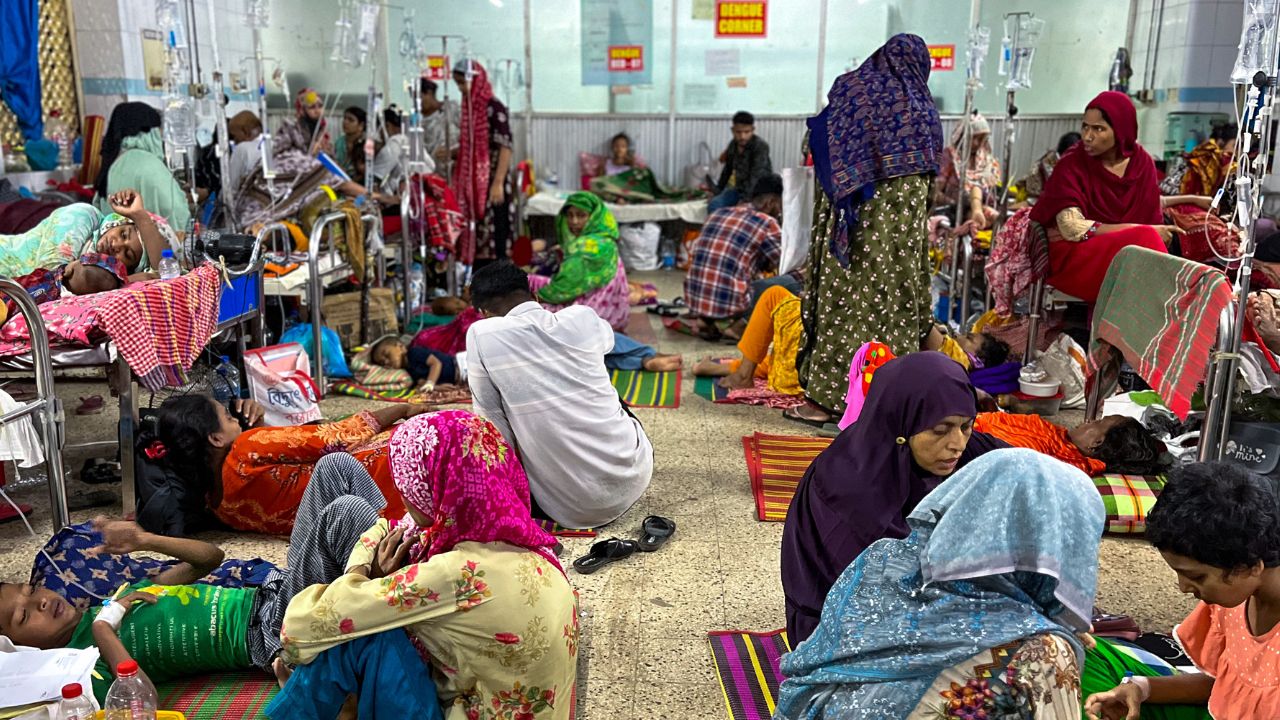



Karimunnesa, 62, accompanied her husband to Dhaka Medical College Hospital for treatment. But the unhygienic conditions left her visibly distressed.
“When I go to the bathroom, everything inside my stomach feels like it is turning upside down. After coming out, I have to chew betel leaf to get rid of the smell. Otherwise, I feel like vomiting,” she said.
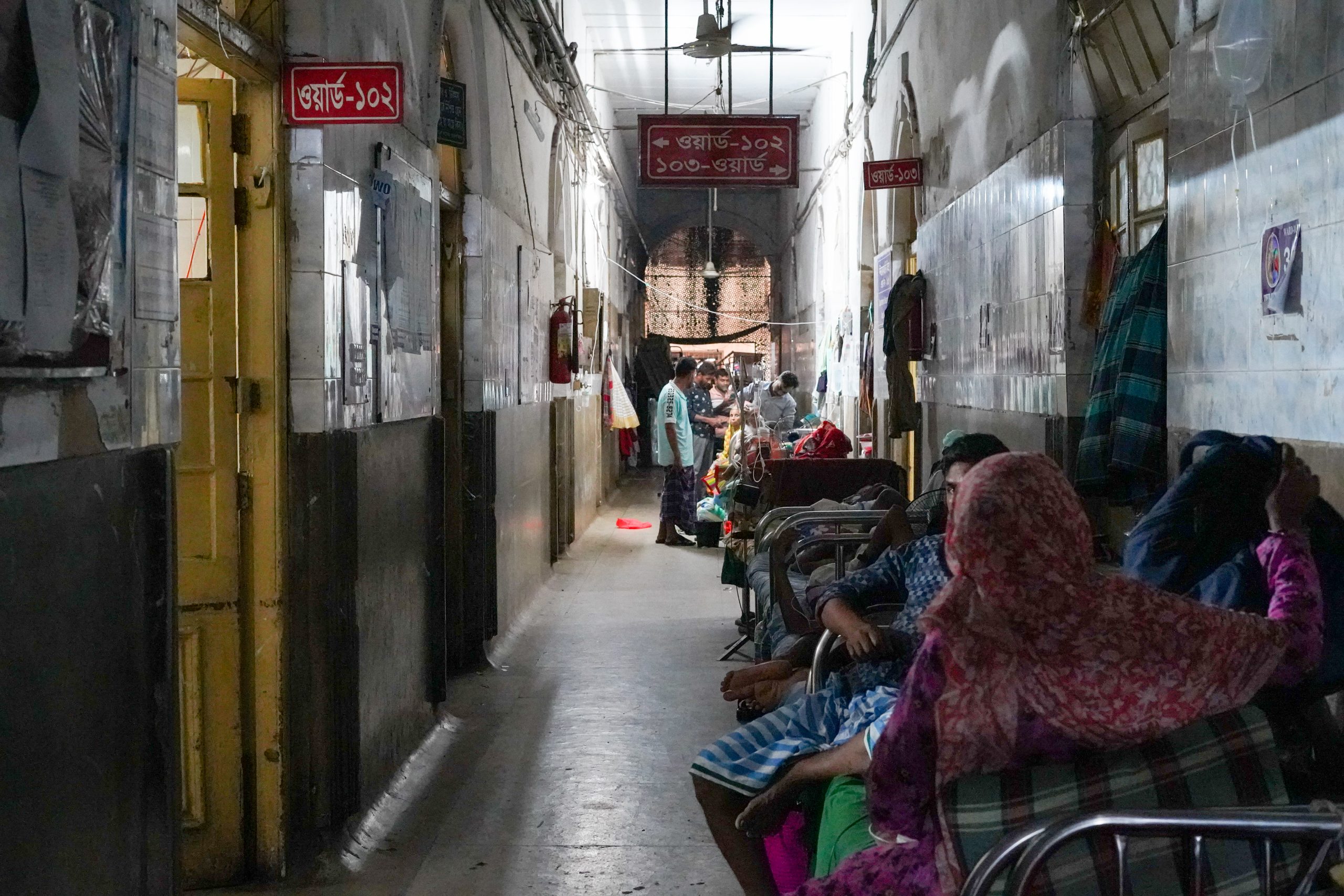
Her experience reflects conditions in public hospitals across the country, where filthy toilets, foul-smelling wards, and unclean premises have become a recurring problem.
Doctors blame the situation on a chronic shortage of support staff. The number of approved positions is already inadequate, and more than half have remained vacant for years. In some facilities, posts have been unfilled for two decades.
They also complain that third- and fourth-class employees with political connections often refuse to perform assigned duties, leaving hospital authorities with little room to act. Several doctors have told TIMES that their frustration has grown so severe that they are considering leaving their jobs.
Public hospitals have 65,230 approved posts for third- and fourth-class employees, including ward attendants, housekeepers, cleaners, office assistants and security guards.
Data from the Management Information System (MIS) of the Directorate General of Health Services (DGHS) show that 20,816 posts in grades 11 to 16 and 13,389 in grades 17 to 20 are vacant. Together, the 34,205 vacancies account for 52.44 per cent of the approved positions.
Ahsanul Hoque, assistant director (hospitals) at the DGHS, told TIMES that recruitment to third- and fourth-class positions was currently suspended.
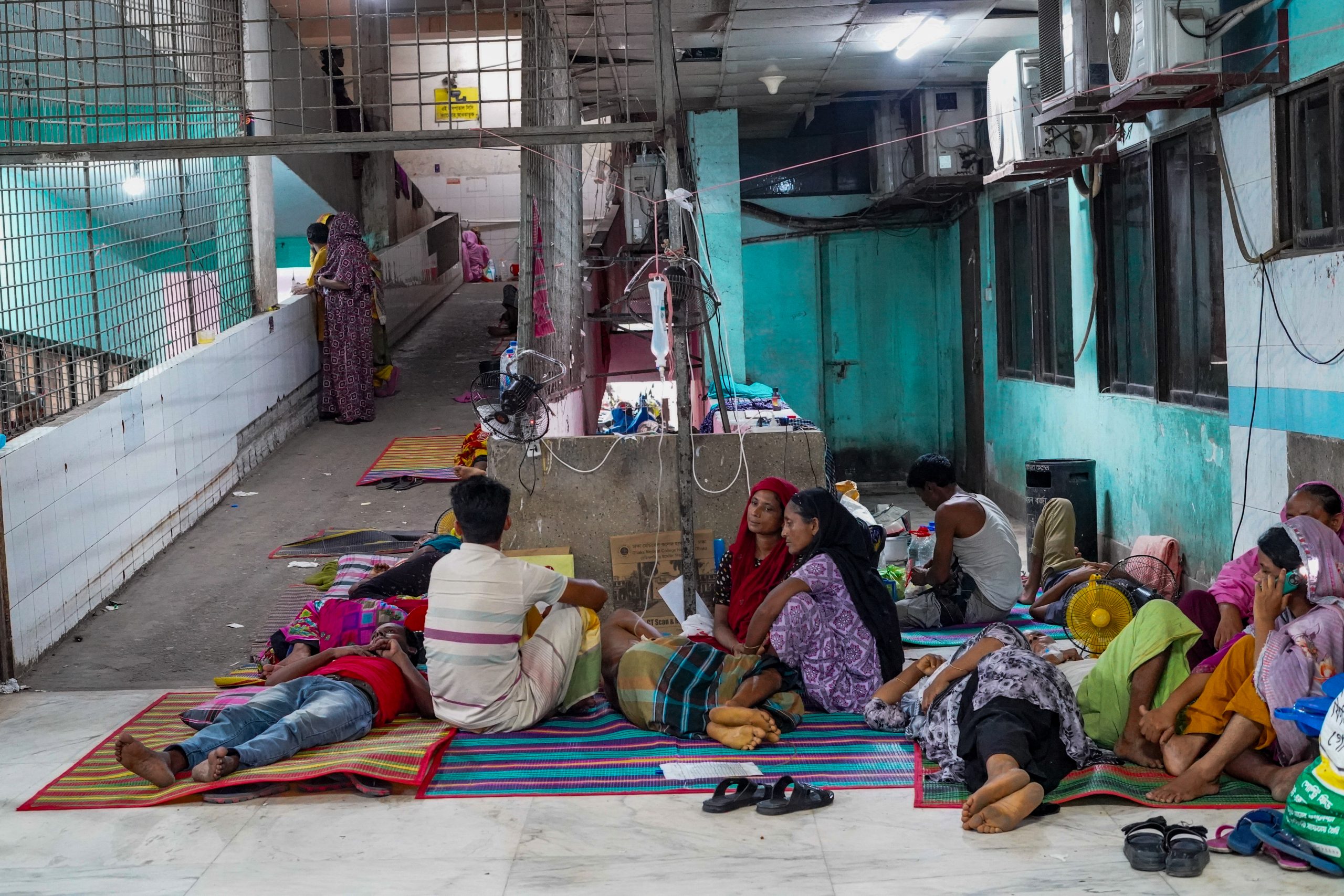
Asked how hospitals were expected to function amid the shortage, he said institution heads had been instructed to recruit workers through outsourcing.

Rashid-e-Mahbub, president of the Bangladesh Health Rights Movement and a public health expert, said the government’s priorities appeared misplaced.
“The government is unable to run the health sector. I do not know why. They are purchasing equipment and constructing buildings because money can be made from those activities. But they have put doctors on a direct collision course with the public.
“People do not go to hospitals for a visit. They go there to receive treatment. If they do not get services, they become angry. And that anger is channelled towards the doctors,” he said.
He said the government had failed to recognise the importance of third- and fourth-class employees. When upazila health complexes were upgraded from 31 to 50 beds, the number of doctors’ posts increased, but support staff positions did not.
The same pattern can be seen at district hospitals. Facilities with 50 beds have been upgraded to 100, while those with 100 beds have expanded to 250, without a proportionate increase in support staff.
Since taking office, Health Minister Sardar Md Sakhawat Husain has repeatedly expressed frustration over poor cleanliness and mismanagement during visits to hospitals in Dhaka and different districts and upazilas.


During a visit on 24 October, he expressed disappointment over conditions at Fulbaria Upazila Health Complex in Mymensingh, where more than 1,500 patients receive outpatient services and over 170 are admitted daily to its 50-bed facility.
Its two buildings and extensive premises, spread across 93 acres, are maintained by just two government-employed cleaners.
“This is unrealistic. How can a hospital be kept clean with this workforce?” Rashid-e-Mahbub said.
Rahat Chowdhury, health and family planning officer at the complex, said no fourth-class employees had been recruited there since 2006.
To ease the shortage, the hospital authorities hired an additional worker using their own income. But even he is reluctant to work as a cleaner. His mother, who works as a cook at the hospital, reportedly uses her influence to keep her son from being assigned sweeping duties.
The problem is not limited to Fulbaria. The health and family planning officer of another upazila hospital said getting cleaners to perform their duties had become increasingly difficult.
“Even if we ask a cleaner to do the work, political leaders call us and throw their weight around. As a first-class officer, it is better to remain silent than to be humiliated by a fourth-class employee,” he said.
“Everyone here has a big brother. If you say anything to anyone, their big brothers call and tell us to assign them other work,” he added.
During a surprise visit, the health minister, dissatisfied with the unhygienic conditions, instructed the authorities to clean the drains. With insufficient staff to carry out the work, the hospital sought help from the local municipality, but no assistance arrived.
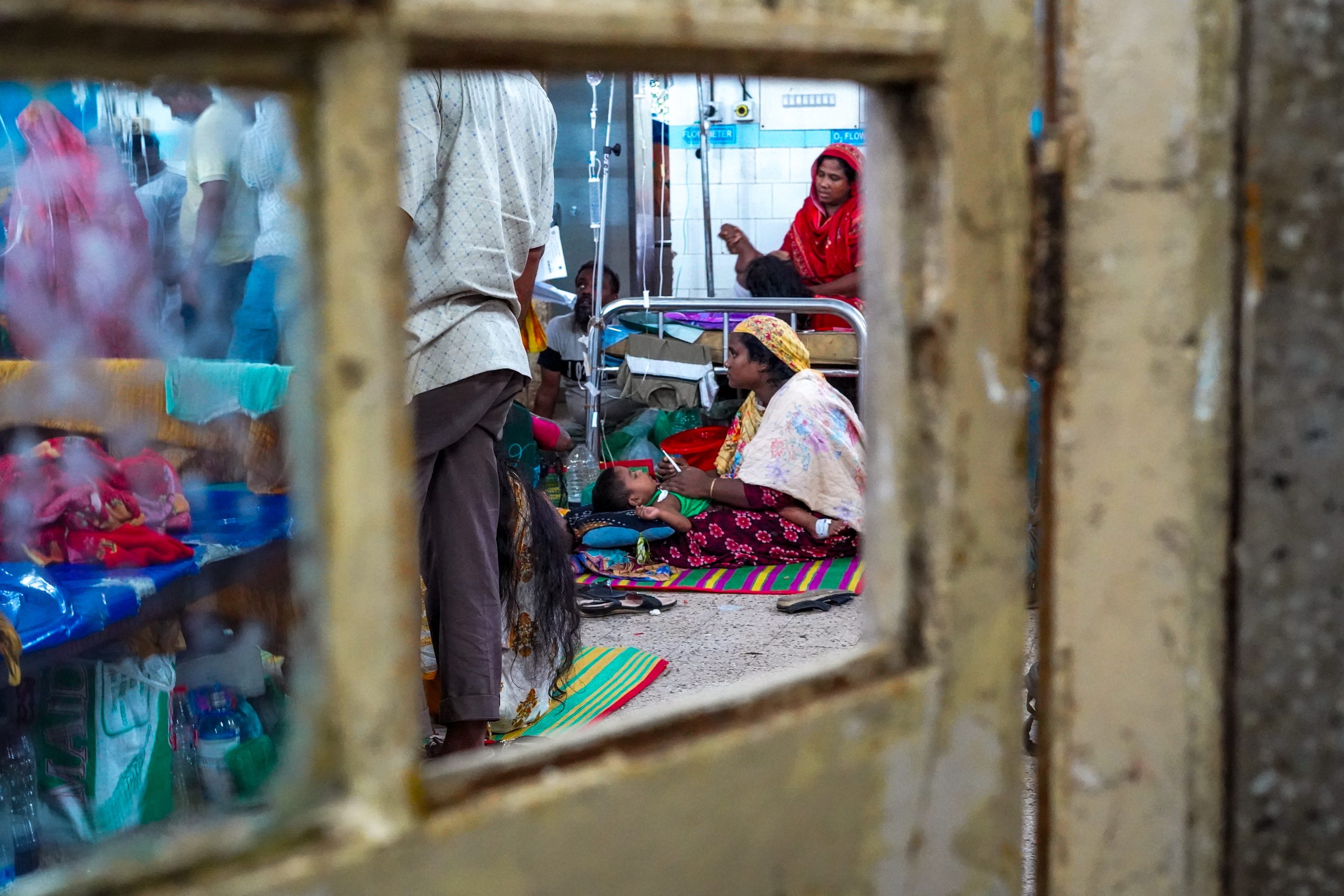
Rahat Chowdhury said the hospital had written to the municipality more than 15 times requesting drainage cleaning, without any response.
He added that the two government cleaners responsible for the hospital’s buildings and extensive premises were both elderly and unable to take on heavy work.
Similar shortages persist at upazila health complexes elsewhere. In some facilities, only one employee is available against five approved posts, while others have three workers against six positions.

Mohiuddin, resident medical officer at Kasba Upazila Health Complex in Brahmanbaria, said the hospital had nine approved cleaner positions but only three employees.
Even nine, he believes, would be insufficient. “Considering the number of patients, at least 20 workers are needed to keep the hospital clean,” he said.
The shortage forces the hospital to assign duties through a roster, while granting workers leave becomes difficult.
At Haluaghat Upazila Health Complex in Mymensingh, three government cleaners are also insufficient to maintain cleanliness, said Pranesh Chandra Pandit, its health and family planning officer.
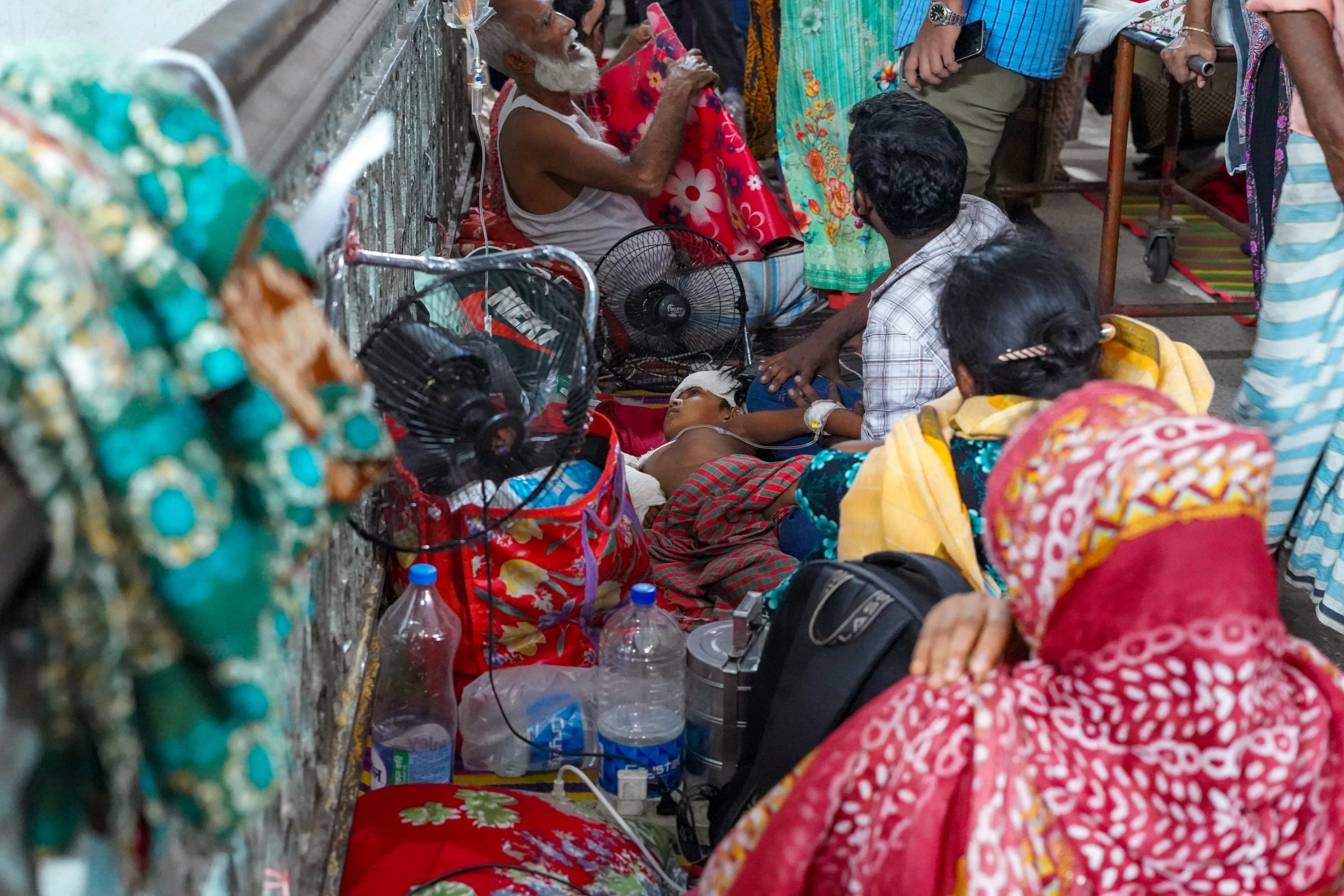
Following complaints from patients, the authorities hired additional workers through outsourcing. But their salaries have to be paid from the hospital’s own income.
Explaining how the money is raised, Pranesh said, “The ticket price is Tk3. Many patients do not take back Tk2 in change. Sometimes, the counter also cannot return the money because there is no change available. We have to deposit Tk3 for each ticket into the government treasury. We use the Tk2 that remains with us to pay the workers’ salaries.”
Ahsanul Hoque said such spending was not authorised. “There is no approval for using money in this way. The salaries and allowances of workers recruited through outsourcing are paid by the government,” he said.
Public health expert Mohammad Mushtuq Husain said successive governments had shown little interest in recruiting support staff.
“No government is actually interested in recruiting staff. Everyone wants to buy equipment and build infrastructure,” he said.
He also called for greater autonomy for hospitals, arguing that facility authorities, rather than the DGHS, should determine staffing requirements and cleanliness arrangements.
“Only then will it be possible to provide services,” he said.
The BNP’s election manifesto promises to restructure the country’s health system along the lines of the United Kingdom’s National Health Service (NHS). It also pledges to recruit 100,000 people in the health sector within three years, 80 per cent of whom are expected to be female health workers.