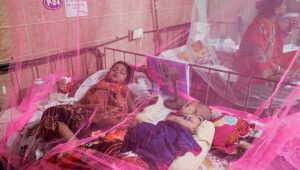
Dhaka South City Corporation (DSCC) has identified 29 out of its 75 wards as being at high risk for dengue and launched a simultaneous special combing drive across these areas to prevent the spread of Aedes mosquitoes.
The drive was initiated after a 12-day survey revealed that inspectors found Aedes mosquito larvae in 322 out of 2,250 houses inspected across the city.
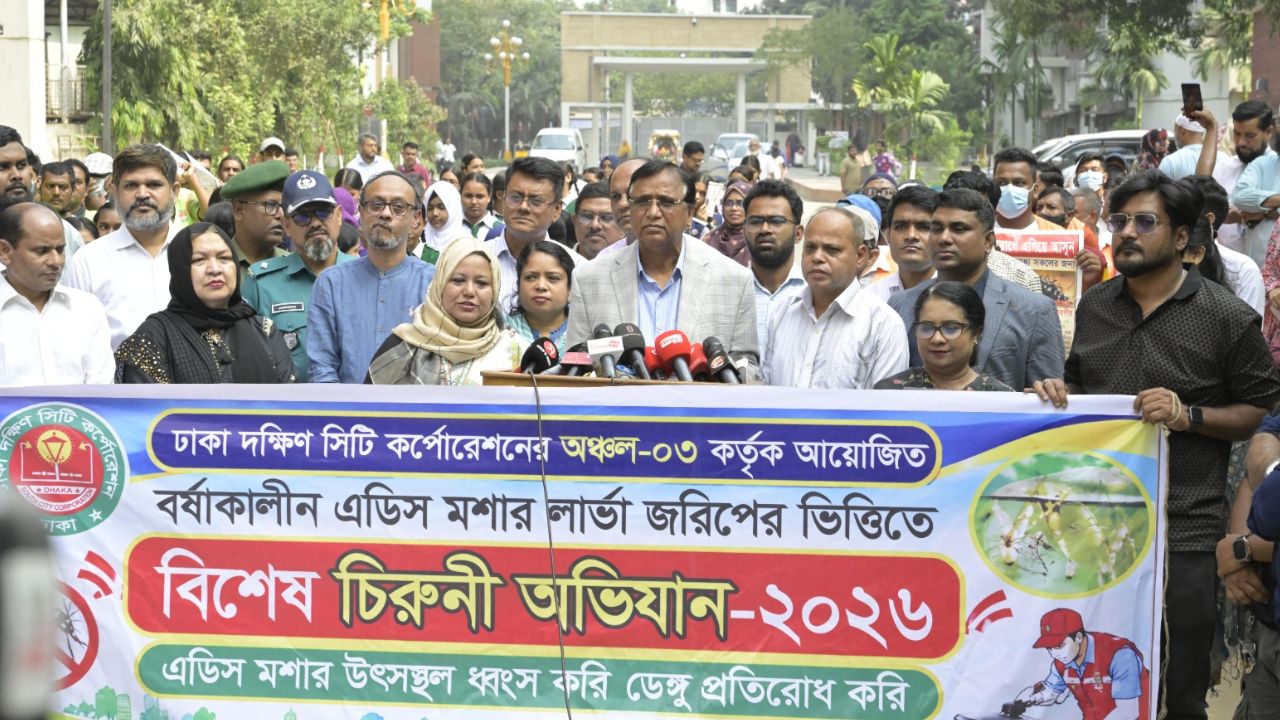
DSCC Administrator Md Abdus Salam inaugurated the campaign on Sunday at noon on the premises of the Azimpur Government Quarters (B-Type). The special drive is being conducted simultaneously across all 29 high-risk wards based on the survey findings.

Survey findings and risk classification
The “Monsoon Aedes Larva Survey 2026” was carried out from 27 September to 8 October across all 75 DSCC wards. A team of 36 field workers from the city corporation and the Communicable Disease Control (CDC) branch of the Directorate General of Health Services (DGHS) collected data using the scientific Kobo Toolbox method.
By analysing key density indicators, including the Breteau Index, House Index, Container Index, and Pupa Index, the authorities categorised 29 wards as high-risk, 28 as medium-risk, and 18 as general-risk.



Primary breeding grounds
The survey highlighted domestic water containers as the most alarming source of breeding. Over half (50.63 per cent) of all detected larvae concentrated in five specific container types and locations: plastic buckets (14.21 per cent), plastic drums (11.22 per cent), stagnant water in building basements (9.98 per cent), plastic mugs (9.23 per cent), and flower pots (5.99 per cent).
In addition, stagnant water in multi-storey and semi-pucca buildings, independent houses, under-construction sites, and vacant plots were identified as major breeding grounds for Aedes mosquitoes.
Control measures and public awareness
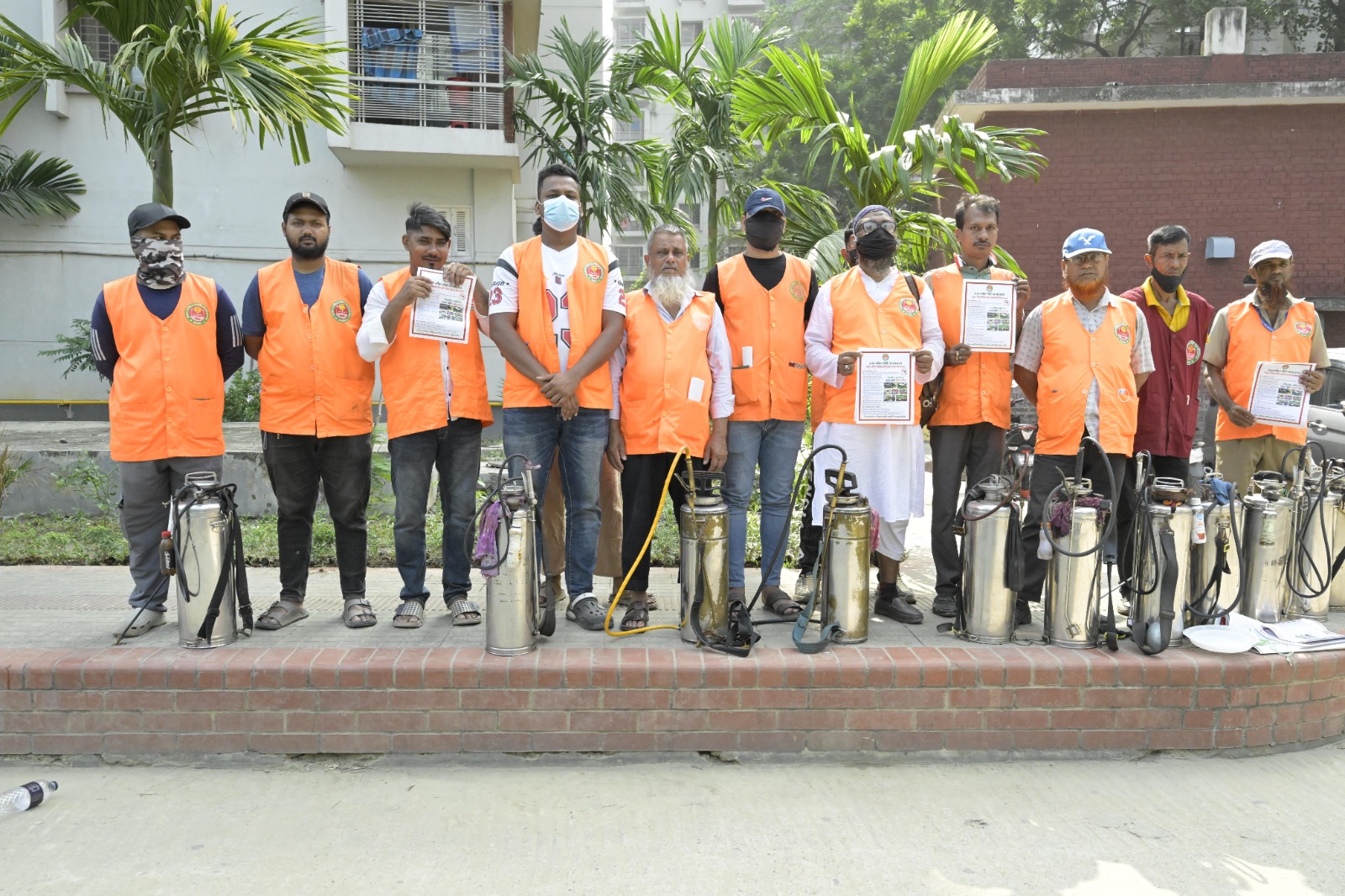
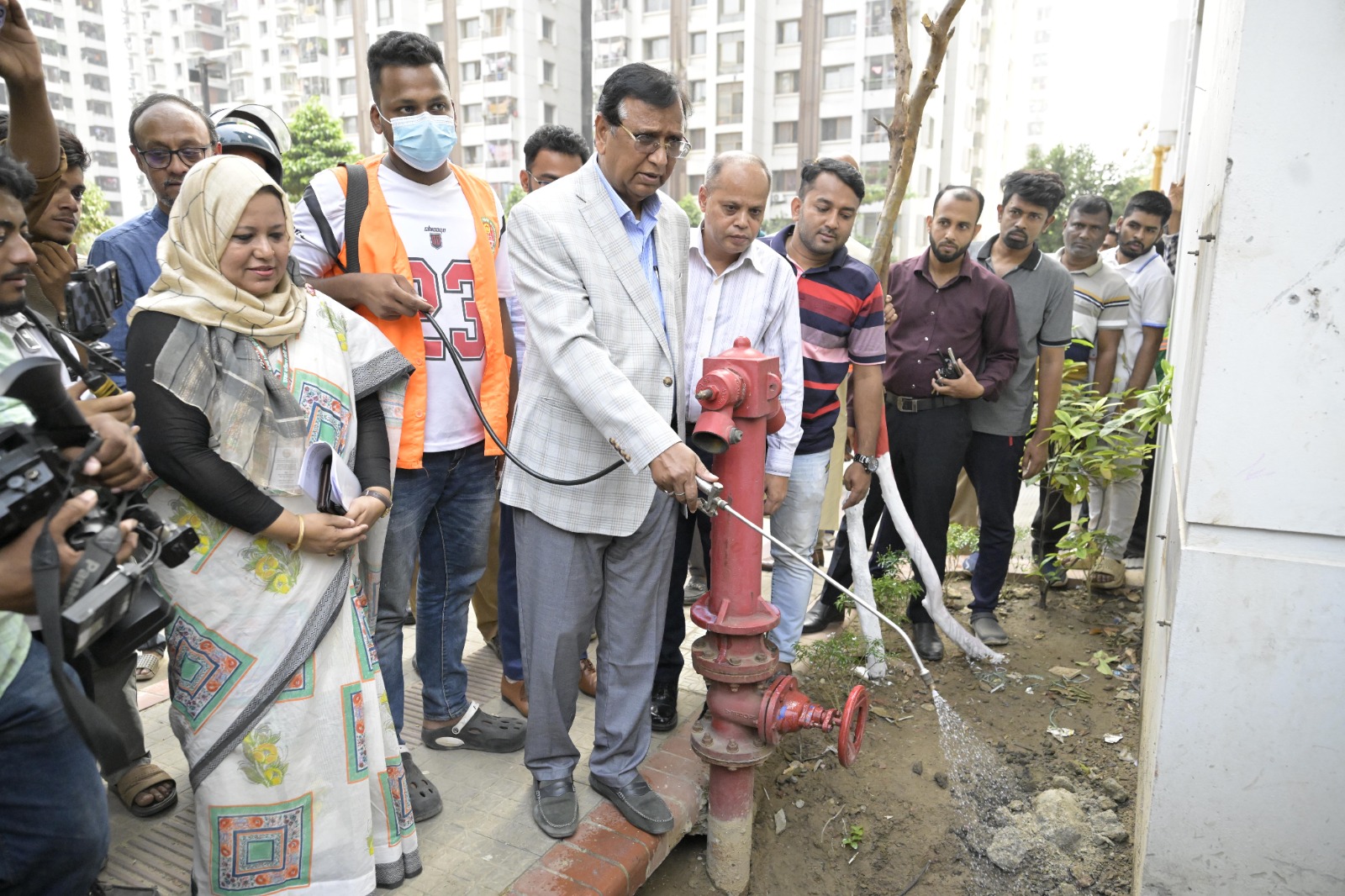
The special drive includes larviciding, adulticiding, destruction of breeding spots, cleaning of drains, canals, and sewers, and waste removal. To raise public awareness, DSCC is conducting loudspeaker announcements (miking), distributing leaflets, running mosque-based campaigns, and carrying out special cleanliness drives in educational institutions and places of worship.

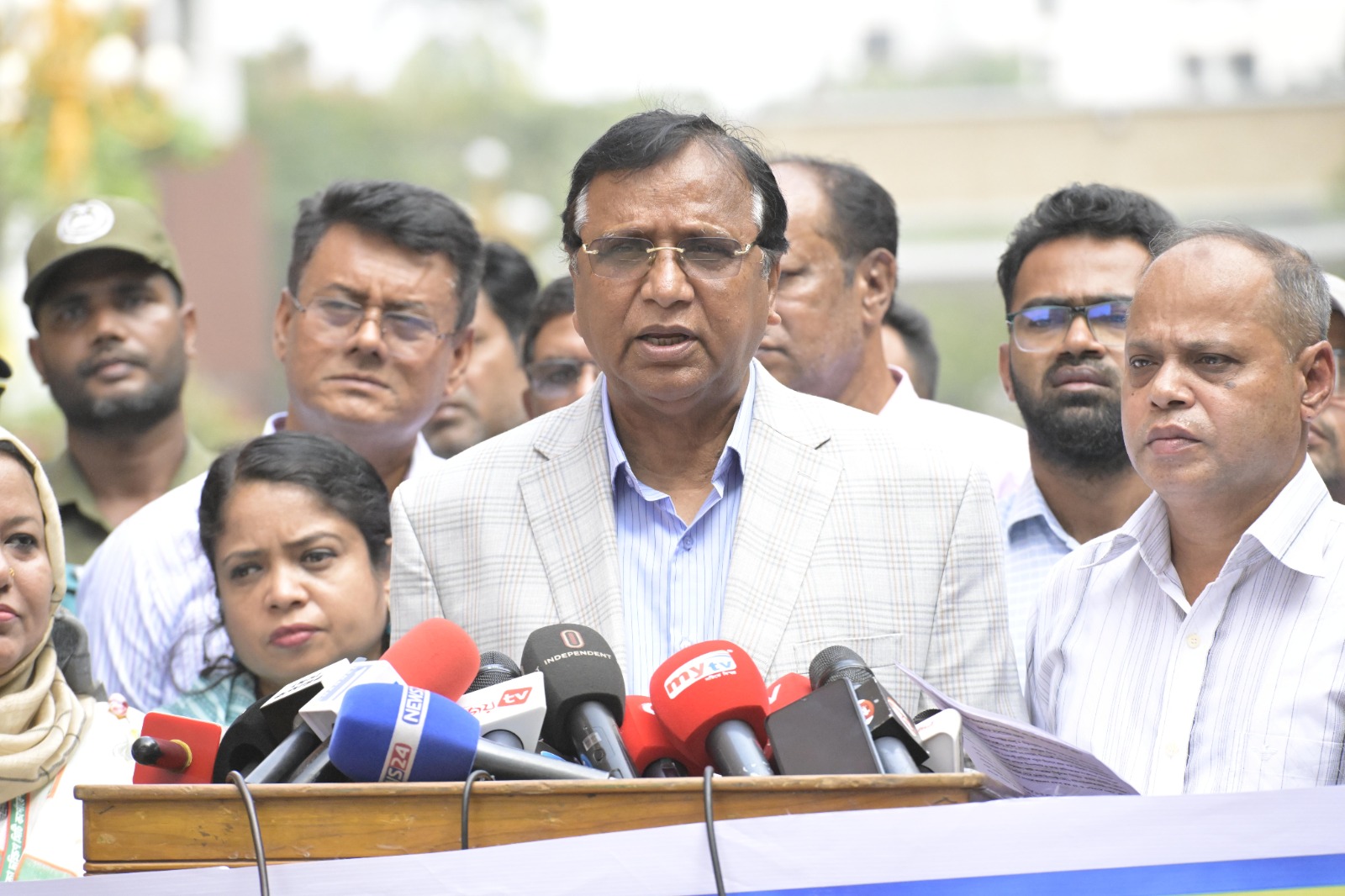
Speaking at the inauguration, Administrator Md Abdus Salam stressed that city corporation efforts alone are insufficient to prevent dengue. He urged both government agencies and citizens to act responsibly, emphasizing that water must not be allowed to accumulate in homes, rooftops, balconies, yards, or workplaces. He called on residents to cultivate a habit of removing stagnant water at least once a week and destroying potential breeding sites.
Senior DSCC officials, including the Chief Waste Management Officer and Chief Health Officer, were present at the inauguration event.