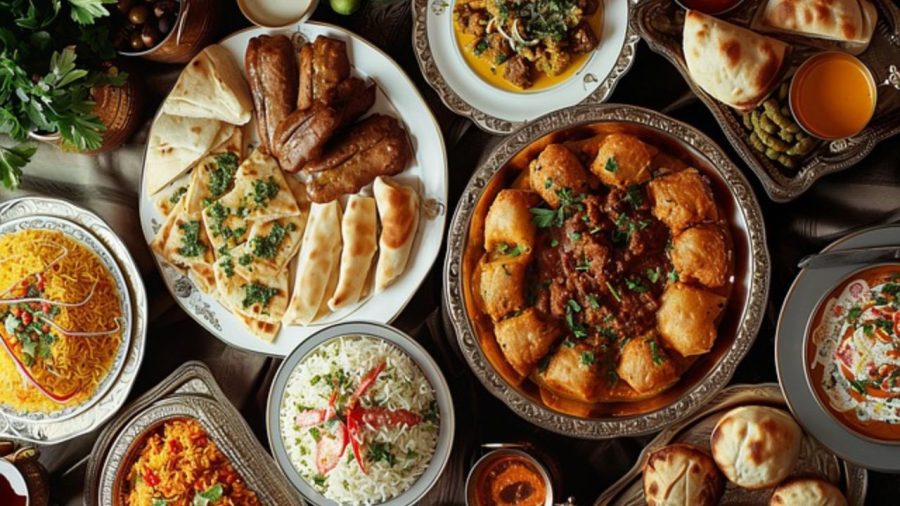



Festive celebrations often span several days, featuring family gatherings, elaborate meals, sweets, fried snacks and late-night dinners. However, health experts warn that people with existing metabolic conditions need to be particularly careful about their food choices and portion sizes during this period.
Repeated overeating can put significant strain on the liver, particularly in people with diabetes, obesity, high cholesterol or insulin resistance, who already face a higher risk of developing fatty liver disease, reports NDTV.
Fatty liver disease occurs when excess fat accumulates in liver cells. It is often associated with insulin resistance, a condition in which the body cannot properly regulate blood glucose or process fats, two functions closely linked to the liver.
When insulin resistance develops, more fatty acids reach the liver, while the organ also produces and stores additional fat. According to a report by NDTV, prolonged fat accumulation can cause inflammation and liver damage in some individuals.
Dietary risks during festive celebrations
Festive meals often combine several calorie-rich foods, including fried snacks, sweets, refined carbohydrates, rich gravies and sugary drinks. This makes it easy to consume more calories than the body needs. Frequent snacking between meals and irregular eating schedules can further increase calorie intake.
For people with insulin resistance or type 2 diabetes, large portions of refined carbohydrates and sugary foods can cause sharp rises in blood glucose levels. The liver converts the excess energy into fat, which accumulates in its cells. Foods high in saturated fat can also negatively affect cholesterol levels and overall metabolic health.
Health professionals stress that a single festive meal does not cause fatty liver disease overnight. The greater risk comes from repeated overeating, physical inactivity and poor long-term metabolic health, habits that can become more common when celebrations continue for several weeks.

Alcohol risks and related health conditions
Specialists also warn against excessive alcohol consumption, as regular drinking can damage the liver and increase the risk of alcohol-related harm. People with metabolic disorders or fatty liver disease should consult their doctors about safe alcohol limits, as combining metabolic dysfunction with alcohol exposure places additional strain on the liver.
Fatty liver disease often occurs alongside type 2 diabetes, visceral obesity (excess fat surrounding abdominal organs), high triglyceride levels and hypertension. These conditions share underlying metabolic problems, particularly insulin resistance.
Excess visceral fat releases fatty acids and inflammatory compounds, further worsening insulin resistance and fat accumulation in the liver.
People with type 2 diabetes need particularly close monitoring because they face a higher risk of developing advanced liver disease. Fat accumulation can progress to metabolic dysfunction-associated steatohepatitis (MASH), which causes liver cell damage and inflammation.




Over time, persistent inflammation can lead to fibrosis, or liver scarring, which may progress to cirrhosis and increase the risk of serious liver complications.
Symptoms and healthy festive habits
Fatty liver disease often causes no noticeable symptoms in its early stages. Some people experience fatigue or vague discomfort in the upper right side of the abdomen, while many discover the condition during routine blood tests or abdominal ultrasound scans.
Experts warn that the absence of symptoms does not necessarily mean the liver is healthy. People with diabetes, obesity or multiple metabolic risk factors should consult their doctors about appropriate liver assessments.
However, people with metabolic conditions can still enjoy festive meals by maintaining healthy eating habits and controlling their portions.
Smaller servings of sweets and fried snacks can be balanced with vegetables, pulses, whole grains and protein-rich foods to manage overall calorie intake. Sugary drinks and frequent snacking should also be limited, as they add considerable calories without providing much nutritional value.
Regular meal timings are equally important. Skipping breakfast or lunch can lead to excessive hunger and larger portions during late-night dinners. Maintaining a consistent eating schedule helps prevent overeating.
People with diabetes who take medication should strictly follow their prescribed medication and meal schedules, particularly when celebrations involve late dinners or changes to their usual routine.
Physical activity also plays an important role in controlling blood sugar and supporting liver health. Post-meal walks, aerobics and resistance training can help improve insulin sensitivity. However, individuals should choose exercise routines and intensity levels appropriate to their medical conditions.

Long-term management and recovery
For people diagnosed with fatty liver disease, weight loss is a key part of treatment. Even modest, sustained weight loss can reduce liver fat and improve metabolic health in overweight individuals.
Experts advise against fad detox programmes and crash diets aimed at rapid weight loss, as these can cause additional health complications. A structured plan developed with a doctor or dietitian is a more reliable approach.
Patients with fatty liver disease should also continue their medical follow-ups during the holiday season. Doctors may monitor liver enzymes, blood glucose, cholesterol and other metabolic markers. They may also recommend ultrasound scans and non-invasive tests to assess liver stiffness and fibrosis.
Importantly, normal liver enzyme levels alone cannot rule out significant liver disease.
Treatment focuses on addressing underlying metabolic problems through dietary changes, exercise, weight loss and the management of related conditions such as diabetes and high cholesterol.
Patients should review their treatment plans with their doctors rather than changing prescribed medication on their own or relying on commercial supplements marketed as liver-cleansing products.
The liver has a considerable ability to recover when excess fat is detected early and metabolic risk factors are properly managed.
People with diabetes, obesity or fatty liver disease can continue to enjoy festive celebrations, provided they maintain consistency in their food choices, physical activity and medical care. Long-term liver health ultimately depends on habits that extend well beyond the holiday season.