


Who needs a film release to stay in the spotlight when real life can supply enough drama for an entire series? Pori Moni seems to have mastered that formula. A courtroom confrontation, a legal notice, a cancelled event invitation, industry criticism and a Wikipedia popularity surge – the actress has had quite a week. Somewhere between the controversies, she even found time to serve a fashion moment.
For an actress, staying relevant is part of the game. But Pori Moni appears to be playing a rather different game lately, one in which the headlines arrive without a film trailer, a new character or even a box-office report. Her off-screen appearances seem to have developed a plot of their own, complete with confrontations, public reactions and unexpected twists.
The latest episode began on 5 November, when Pori Moni surrendered before a Dhaka court and secured bail in a case filed by businessman Nasir Uddin Mahmud. What followed was a reported confrontation involving journalists and her security personnel.
Samakal multimedia reporter Robiul Hossain allegedly lost his mobile phone, while his recording tripod was reportedly damaged. Several journalists and a court visitor also sustained injuries.

The incident has now prompted a legal notice from Supreme Court lawyer Advocate Khandaker Hasan Shahriar. Sent to Pori Moni and the president and general secretary of the Bangladesh Film Artistes’ Association, it demands an unconditional apology within seven days. The notice also calls for disciplinary action and warns of further legal steps if its demands remain unmet.
Veteran actress Rina Khan was less than impressed. She said the confrontation had tarnished the image of the entire acting community and urged artistes to settle their grievances without turning public spaces into battlegrounds. Her message was clear: an artiste’s conduct outside the screen matters, too.




And the controversy has not stopped at the courtroom gates. Pori Moni has also lost her invitation to Chattogram’s Fashion Vanguard Award 2026 after local journalists protested her participation, with Apu Biswas or Shabnam Bubly being considered as possible replacements.
Organisers, who had signed an agreement with her 17 days before the incident, eventually removed her name from the guest list and issued a revised poster.
Meanwhile, Bengali Wikipedia offered a rather unexpected twist to the story. Pori Moni topped its October readership list with 43,458 page views, beating a collection of entertainment, cultural and other popular subjects. So, while the actress may have lost one invitation, she certainly did not lose online attention.
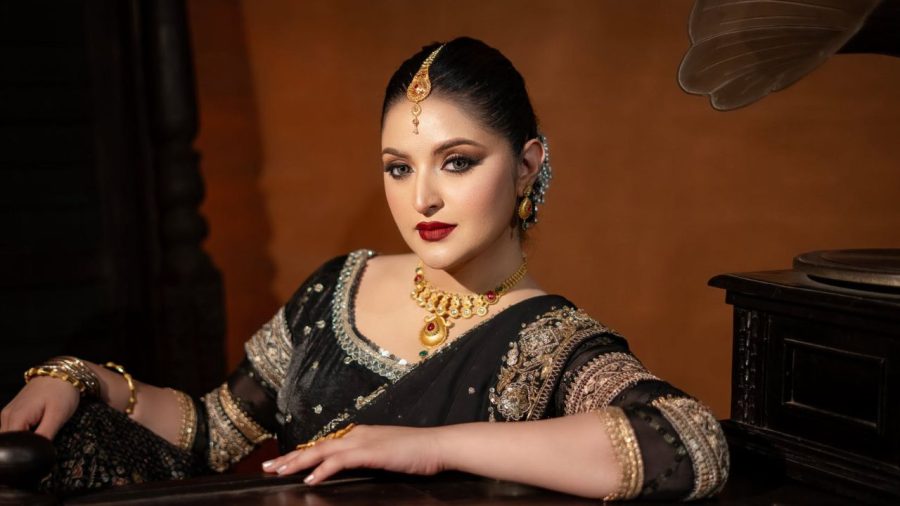
She also made time for a fashion appearance in a blue formal suit, sharing photographs on Facebook that drew praise from fans. Apparently, the show must go on, even when the script gets complicated.

But beneath the social media buzz and headline-grabbing episodes lies a bigger question about celebrity responsibility. When an artiste’s public conduct repeatedly becomes the subject of controversy, the criticism rarely stops with that individual.
It spills over into the wider industry. Rina Khan’s remarks reflect precisely that concern: whether such incidents risk diminishing the dignity and public image of the profession.
For now, Pori Moni’s latest production appears to be running without a director, a release date or a cinema booking. The only certainty is that the next episode seems never too far away.