





Not very long ago, religion was rarely questioned. It was inherited, accepted and passed quietly from one generation to the next. Faith was something you were born into, not something you were encouraged to examine. Today, for many young people, that certainty no longer feels fixed. Like many other aspects of life, belief systems are being questioned, explored and reshaped. Instead of simply following tradition, Gen Z is increasingly searching for a personal and meaningful relationship with faith on their own terms.
Religion has always been a sensitive subject, often avoided in everyday conversation. Many grew up discouraged from asking difficult questions, aware that it might lead to discomfort or disagreement within families. For Gen Z, however, silence is less acceptable. Growing up in an age of information, global exposure and personal choice naturally influences how they view belief and spirituality.
For some, this questioning leads them away from organised religion. Others remain religious but practise with more reflection and intention. Many find themselves somewhere in between.
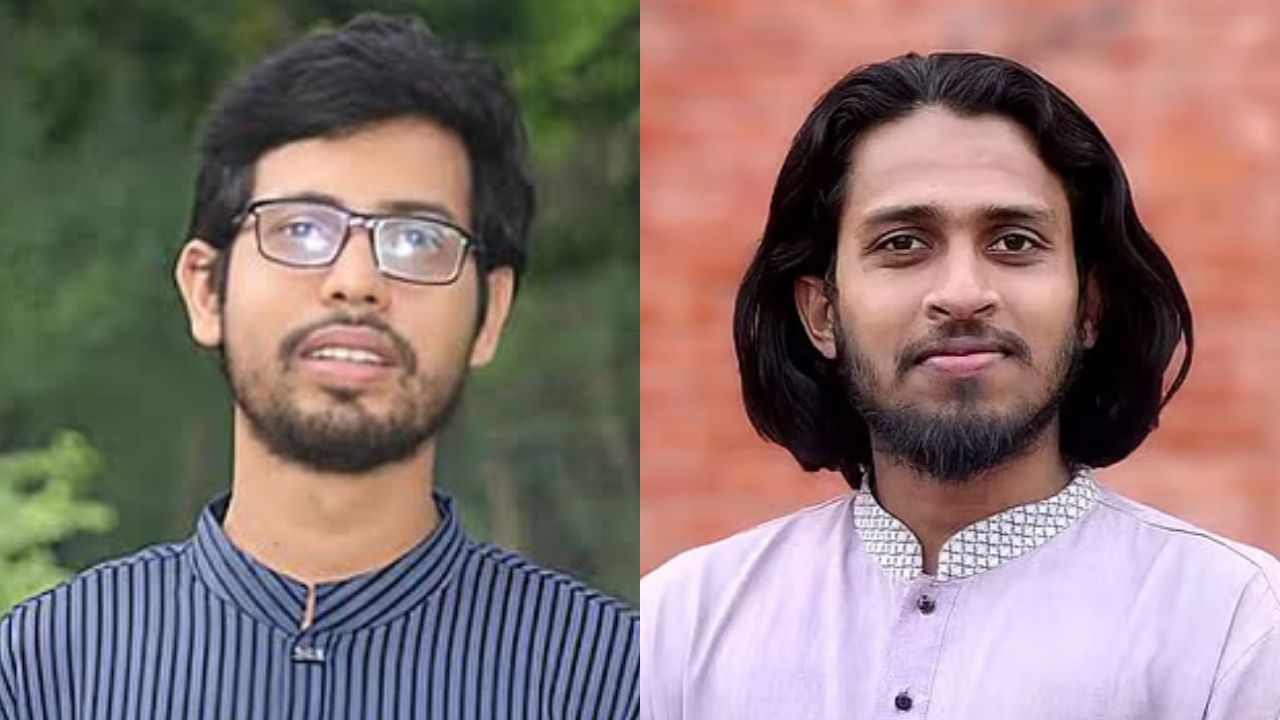
Fahim Ahmed, 19, reflects a growing sentiment among young people. “There are almost ten thousand religions in the world,” he says. “Some people do not believe in 9,999 of them. I do not believe in one more than that.”
Fahim does not identify with any specific religion, but he is clear that this does not mean he rejects faith. Like many of his peers, he believes in a higher power without feeling the need to attach a formal label. His perspective reflects a wider shift towards belief without rigid identity.
This change is also reflected in global research. According to a 2021 study by the Pew Research Centre, younger generations are significantly less likely to identify with organised religion compared to older generations. In the United States, around 40 per cent of Gen Z identify as religiously unaffiliated, the highest proportion of any generation. Similar trends have been observed in parts of Europe and Asia, where many young people describe themselves as “spiritual but not religious”.
Spirituality itself is not new, but it is being expressed more openly today. At its core, it is deeply personal, focusing on meaning, purpose and inner peace beyond material life. Unlike organised religion, it often has no fixed structure, rules or institutions. For Gen Z, this flexibility is one of its strongest appeals.
Griffin Davis, 22, is on such a journey. Raised in a Catholic household, he grew up with the belief that faith was not something to be questioned.
“I was never really encouraged to ask questions about God or religion,” he says. “But eventually, I realised I could not just accept everything without thinking about it myself.”
Two years ago, Griffin began exploring different belief systems. “I have always believed in God or a higher power,” he explains. “But I did not know which tradition truly resonated with me. I have read the Bible, the Quran and the Pali Canon. I learn from different religions, but I am not ready to commit to just one yet.”
Griffin’s experience highlights an important shift, where faith becomes exploration rather than obligation. For many, engaging with multiple traditions does not weaken belief but deepens understanding. It often encourages reflection on life, humanity and the natural world, building empathy rather than division.
Research suggests that younger generations place greater value on personal authenticity over tradition. A 2022 report from the British Social Attitudes Survey found that younger respondents were more likely to prioritise individual moral judgement over religious doctrine when making decisions. This does not necessarily indicate rejection of religion, but rather a redefinition of its role.
Gen Z is often described as rebellious, but a more accurate word may be curious. Their instinct to question everything, from politics to identity, extends naturally to religion as well. Yet one consistent value stands out: respect for choice. While beliefs differ widely, acceptance remains central.
This attitude echoes the words of Kofi Annan: “We may have different religions, different languages, different coloured skin, but we all belong to one human race.” For Gen Z, unity does not depend on uniformity.
Ironically, while history has often been shaped by religious conflict, this generation appears more focused on coexistence than conversion. There is less emphasis on proving who is right and more interest in understanding how others think and believe.
Every major religion teaches values such as compassion, respect and kindness. The way Gen Z is redefining faith may not always follow traditional structures, but it often aligns with these core principles in spirit. In a world still divided by belief, their willingness to question, listen and accept difference may be exactly what modern faith discussions need.
Perhaps Gen Z is not losing faith at all. They are simply redefining how it is understood and lived.


