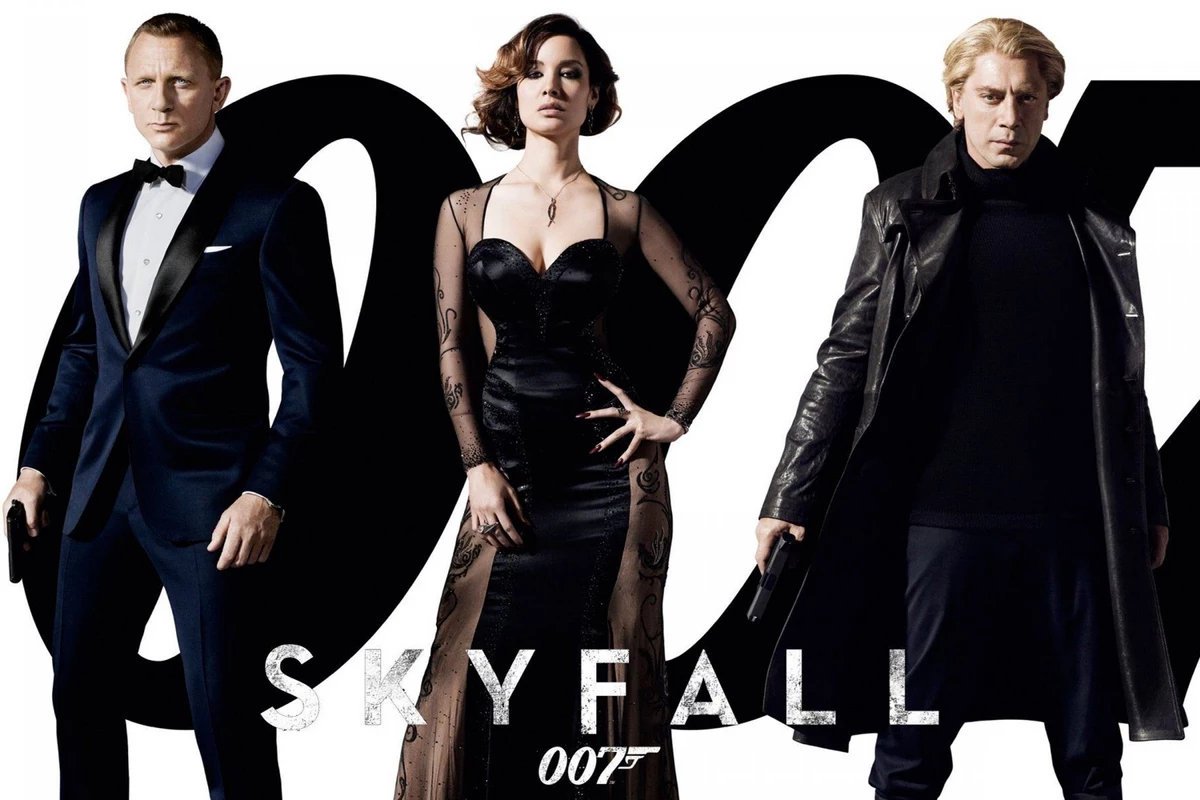



There are moments in the James Bond saga that alter the trajectory of the entire franchise, and ‘Skyfall’ is precisely one of those turning points. Since its release in 2012, the film has stood apart from the typical Bond adventure; instead, it serves as a profound exploration of the character’s psychology, legacy and moral burden. At the same time, it delivered enormous commercial success, production daring and exceptional performances.
At the heart of Skyfall lies Bond’s personal unravelling and his unwavering loyalty to M. After a mission goes disastrously wrong, Bond is presumed dead and a devastating cyberattack on M exposes the vulnerabilities of MI6. Here, Bond is not merely a superspy but a wounded, fallible human being. This newfound vulnerability adds a fresh layer of complexity to the series.
Director Sam Mendes reshapes the Bond universe with a clear artistic vision. He aims to present Bond as more emotionally aware yet still sharply intuitive. The action remains, but beneath it flows a story of breakdown and rebirth. The film’s tone is part psychological drama, part tense thriller. Roger Deakins’ cinematography elevates it even further, transforming Skyfall from a polished spy film into something close to a visual elegy.

Daniel Craig delivers his most mature and weathered portrayal of Bond to date. The weariness in his eyes and the tension in his posture reveal a man who can no longer ignore the weight of time. Judi Dench, as M, anchors the film with emotional authority.
Skyfall is as much her story as it is Bond’s, a portrait of a woman who places duty to her country above every personal tie. Javier Bardem’s Silva is a masterclass in unsettling villainy, his presence is so commanding that he stands among the finest antagonists the franchise has ever produced.


At the box office, Skyfall reinvigorated Bond for a new generation. It became the first film in the series to join the billion-dollar club, earning over $1 billion worldwide on a budget of roughly $200 million. Financial triumph aside, it proved that even a long-standing character can feel fresh when reimagined with honesty and ambition.
Awards recognition further cemented Skyfall’s impact. Action franchises rarely gain traction in major award circuits, yet this film broke the mold. Adele’s haunting title track won the Oscar for Best Original Song and Deakins’ cinematography earned widespread acclaim and nominations. It marked the first time a Bond film made a substantial impression on awards season, raising the franchise’s cultural standing.
In terms of continuity, Skyfall acts as a bridge between eras. Familiar figures; Q, Moneypenny and M return, though in redefined forms. It feels as though Bond is reconnecting with the roots of the series. M’s death and the introduction of a new M signal a shift towards the future. The film is not merely a nod to tradition; it charts a confident path forward.
Skyfall is a film that reshaped the Bond franchise. For its production quality, emotional depth, commercial triumph and awards success, it stands as one of the most influential entries in the modern era of 007.