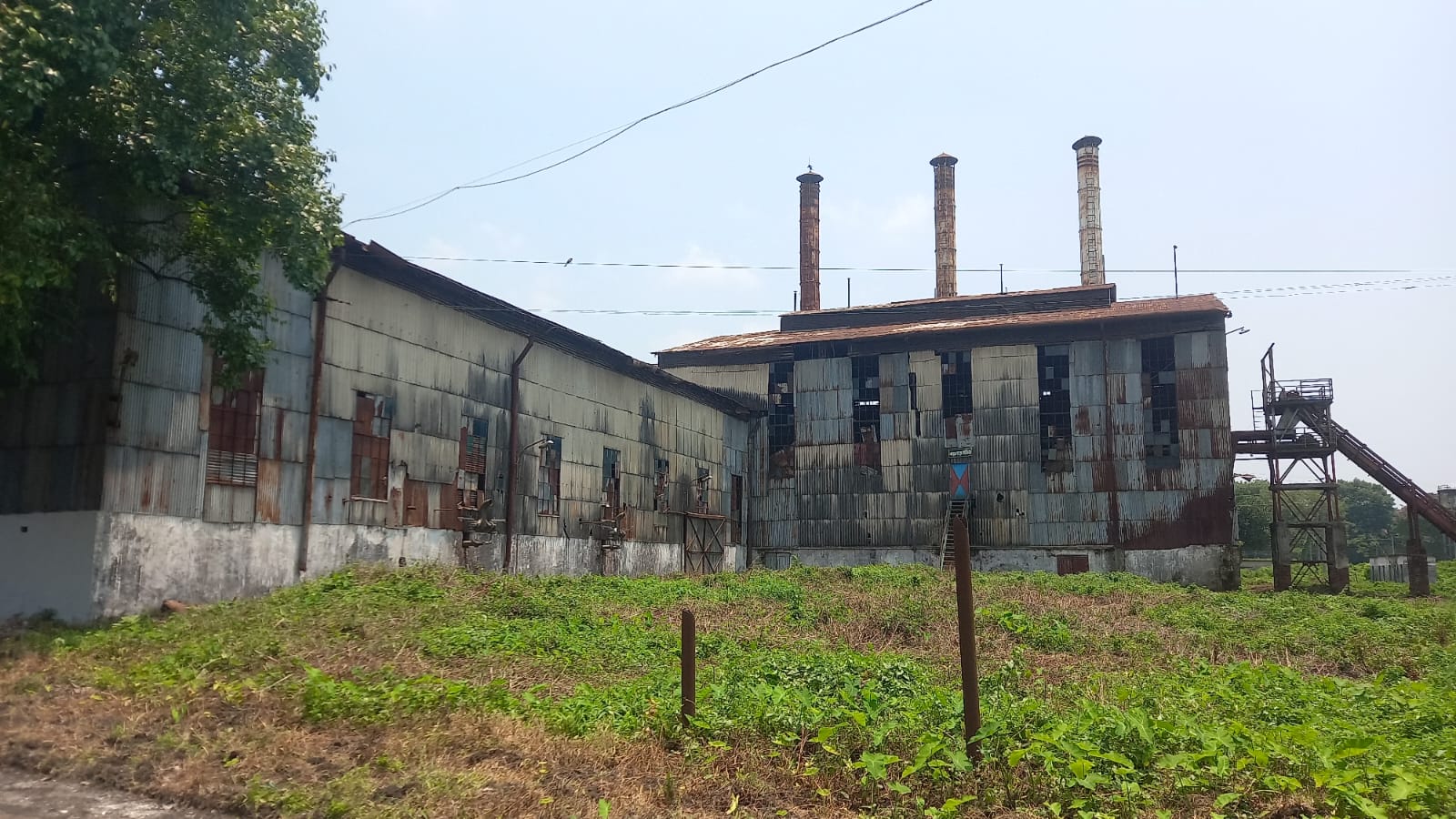
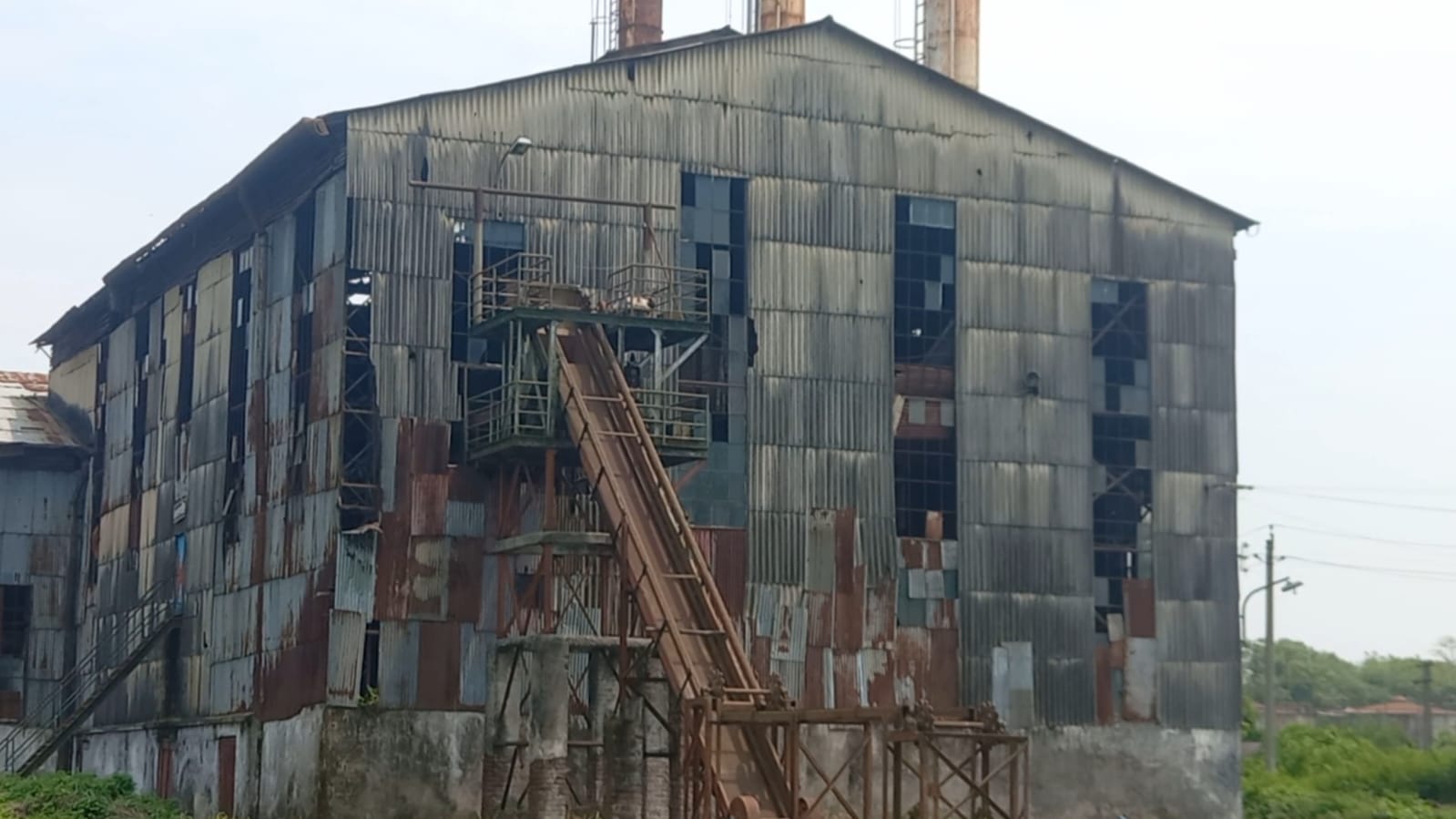
The once-bustling Panchagarh Sugar Mills Limited now stands silent, with workers, farmers and locals alleging that six years of visits and promises have failed to bring any visible initiative to restart the state-owned industrial unit.
Located in the northern border district of Panchagarh, the sugar mill was once one of the region’s largest state-run heavy industries and a major driver of the local economy. Its siren once marked the beginning of the day for thousands of people. Trucks loaded with sugarcane moved regularly through the area, workers remained busy and farmers cultivated vast stretches of sugarcane fields.
But the mill has remained shut for nearly six years. Locals say it has now become a symbol of uncertainty, unemployment and unfulfilled assurances.
The closure left hundreds of workers jobless and forced many farmers to move away from sugarcane cultivation. Several workers said they now struggle to survive by driving vans and battery-run rickshaws or running small businesses. Many claimed they failed to secure jobs elsewhere despite repeated attempts.
Farmers also said the shutdown increased their losses as sugarcane produced in Panchagarh now has to be transported to the neighbouring Thakurgaon Sugar Mill. The additional transport costs, delays and reduced cane weight due to drying have made cultivation less profitable.

Many farmers shifted to crops such as maize and paddy, but several said those alternatives also failed to provide expected returns.
Workers, farmers and local residents alleged that although advisers, ministers and senior government officials visited the mill over the years, no effective step was taken to resume operations. They said several officials inspected the facility and gave assurances, but no visible progress followed.
Most recently, Industries, Commerce, Textiles and Jute Minister Khandakar Abdul Muktadir visited the mill on Saturday, 9 May, and held a meeting with sugarcane farmers on the premises. He also assured them of steps to reopen the closed sugar mills.



Mill authorities said trucks and tractors from Panchagarh Sugar Mill had already been transferred to Thakurgaon Sugar Mill. They said the mill owns 223 acres of land and has five sub-zones and 31 centres. Currently, eight centres remain operational and sugarcane cultivation continues on 990 acres of land.
According to officials, the fields are expected to produce between 18,000 and 20,000 metric tonnes of sugarcane in the next season. Although the mill once had nearly 1,200 workers, only around 70 employees remain now.
Sources said Panchagarh Sugar Mills Limited was established between 1966 and 1969 with a daily crushing capacity of 1,016 metric tonnes of sugarcane. Commercial production formally began during the 1969–70 season. The mill currently operates under the Bangladesh Sugar and Food Industries Corporation.
The previous Awami League government shut the mill in 2020 citing losses. Since then, crushing and sugar production activities have remained suspended. Machinery, manpower and equipment were later shifted to other mills, including Thakurgaon Sugar Mill.
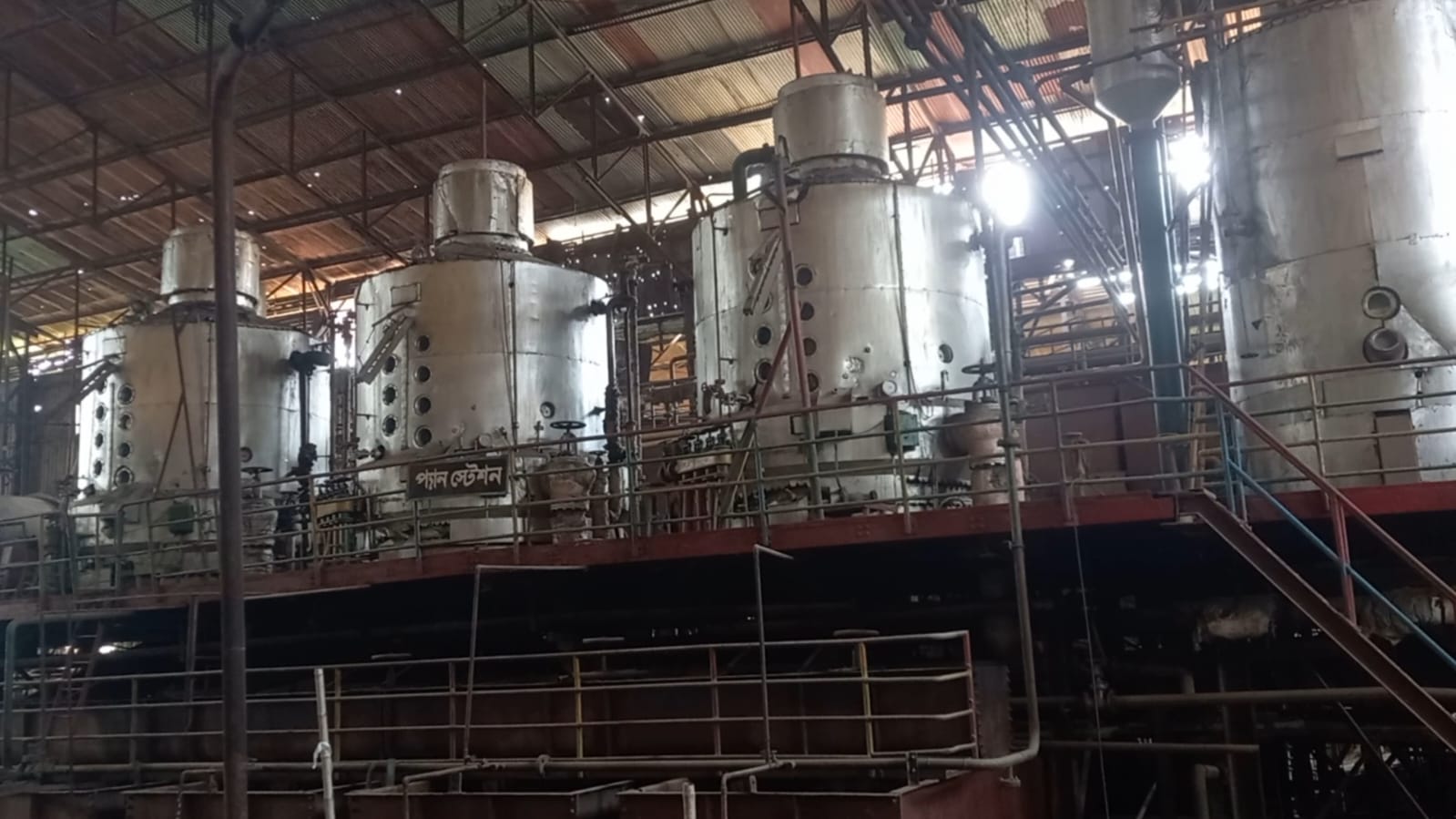
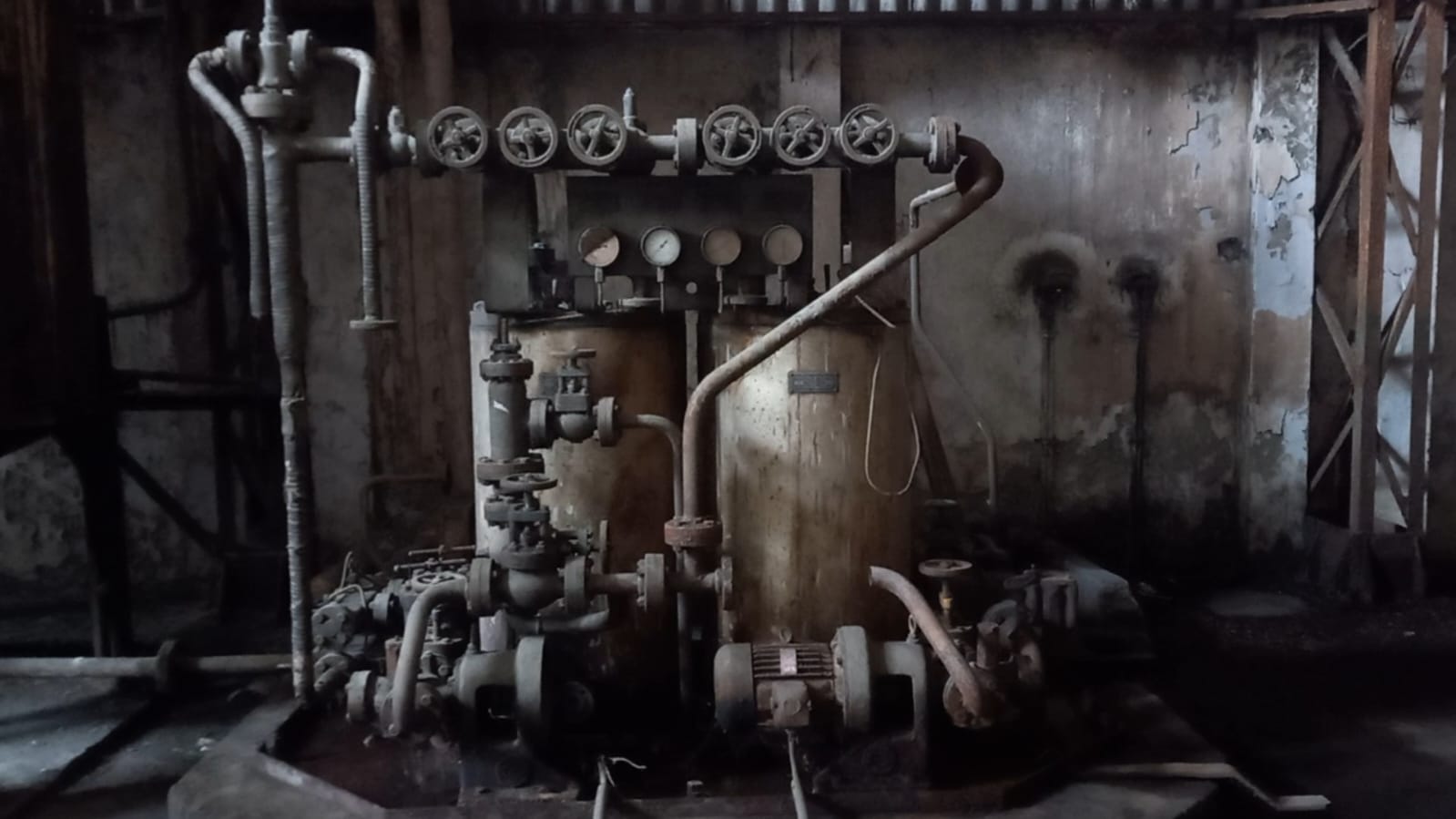
Locals also warned that the prolonged closure is damaging the mill itself. Machinery and equipment are gradually deteriorating, while some lands owned by the mill are allegedly being encroached upon or left unused.
Contractual worker Yunus Ali said workers had been living in hardship since the closure of the mill nearly six years ago. He said many workers could no longer support their families and urged the government to reopen the factory quickly.
Local resident Mahbub Alam Bullet said authorities continued to inspect the mill and make promises, but no practical initiative followed. He urged the new government to reopen the mill without further delay.
Former general secretary of the Panchagarh Sugar Mill Workers’ Union Abdur Rahim said workers had been demanding the reopening of the mill since its closure. He alleged that the previous government shut the mill in 2020 using excuses, leaving workers and others connected to the industry severely affected.
Sugarcane farmer Monir Alam Chowdhury from Monipukuri area under Benghari Union in Boda upazila said he cultivated sugarcane on five acres of land this year. He said he previously farmed on larger areas and hoped the reopening of the mill would benefit growers significantly. He added that transporting cane to Thakurgaon caused delays, drying and weight loss, leading to financial losses.
Another farmer, Basirul Alam from Dangapara area under Satmera Union in Sadar upazila, said Panchagarh had strong potential for sugarcane cultivation, but the closure of the mill discouraged farmers. He also demanded the immediate reopening of the factory.
Managing Director of Panchagarh Sugar Mill Md Atikuzzaman said eight out of the 31 centres remained active and 990 acres were currently under sugarcane cultivation. He said the cane produced would be supplied to Thakurgaon Sugar Mill next year and estimated output at 18,000 to 20,000 metric tonnes. He also said around 16,000 metric tonnes of sugarcane were produced during the 2025–26 fiscal year.
During his recent visit, Minister Khandakar Abdul Muktadir said the government is firmly committed to reopening the country’s closed state-owned sugar mills, stressing that decisions would be taken prioritising the interests of sugarcane farmers, workers and the long-term commercial viability of the mills.
“We are determined to restart the closed sugar mills. However, in this process, the interests of sugarcane growers, workers and the long-term profitable operation of the institutions will be given utmost importance,” he added.
The minister also said the mills are assets of the people of Bangladesh and the government has a responsibility to ensure their honest and effective use. He added that the government wants the closed industries to resume production, create jobs and contribute to local economic growth once again.