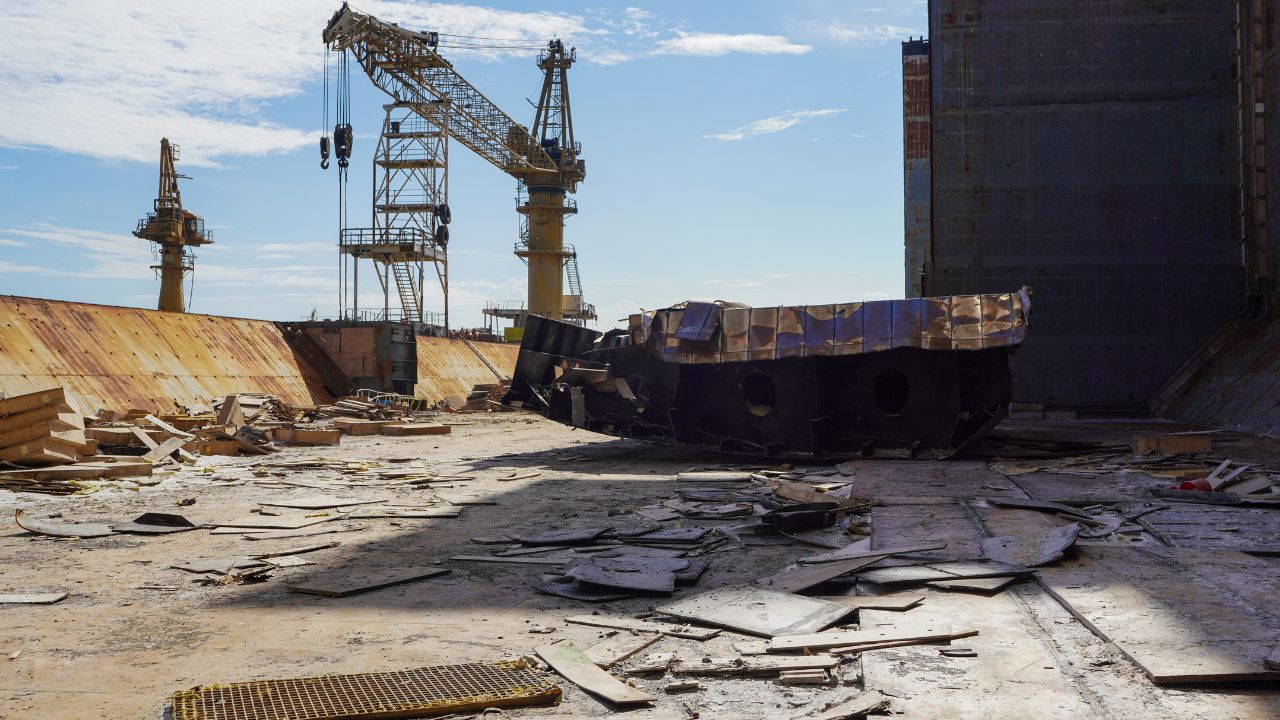



The deaths of nine people in a toxic gas leak incident at Ferdous Steel Ship Recycling Industries in Sitakunda, Chattogram, have raised fresh questions about workplace safety and regulatory oversight in the country’s shipbreaking industry.
Among the deceased were six workers and three local residents who died after being exposed to toxic gas while trying to rescue workers trapped inside the ship on Friday morning.
The incident is particularly concerning as the shipyard had been cited for several safety and labour-related irregularities during a government inspection earlier this year and later became the subject of a labour court case.
Ferdous Steel received a “green shipyard” certification in 2026. However, an inspection by the Department of Inspection of Factories and Establishments (DIFE) on 9 February identified a number of irregularities, including inadequate safety equipment, failure to conduct risk assessments for hazardous work, non-payment of overtime and requiring workers to work on weekends.
DIFE subsequently issued several notices to the company. Officials said the responses were not satisfactory.
In July, DIFE Labour Inspector (General) Md Shahed Parvez Talukder filed a case with the labour court against Ferdous Steel owner Ferdous Wahid and manager Md Yusuf Ali over the alleged violations.
The case, however, did not end concerns over safety at the yard.
How the accident happened
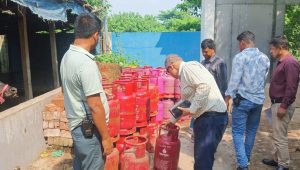
The accident occurred while workers were cutting the 30,770-ton scrap LNG carrier MT Rasi at the yard on Friday morning.
According to eyewitnesses, hydrogen sulphide gas had accumulated in the ballast section adjacent to the ship’s cargo tank. Workers who entered the area were reportedly overcome by the toxic gas and collapsed one after another.

The Department of Explosives in Chattogram said the gas had spread through the ballast area, where water is stored to help maintain the vessel’s balance.
When contacted on Saturday afternoon, SM Sakhawat Hossain, assistant explosives inspector in Chattogram, said he was inspecting the accident site and would provide further details later.
Regulatory questions
Mohammad Mahabubul Hasan, deputy inspector general of DIFE in Chattogram, said routine factory inspections cover basic workplace safety, while certain aspects of shipbreaking require specialised technical oversight.
DIFE inspectors generally check whether workers have access to basic protective equipment, including gloves, masks and boots, and whether required inspection procedures are being followed, he said.
However, testing for hazardous gases such as hydrogen sulphide and securing environmental and explosives-related clearances before cutting a vessel involve specialised procedures handled by the relevant authorities, Hasan said.




“Ships should not be dismantled without the required approvals,” he said, adding that the relevant regulatory agencies are responsible for issuing those clearances.
A high-level investigation committee has been formed to determine the cause of the accident and identify any failures in the safety system. The committee has been asked to submit its report within seven days.
DIFE deputy inspector general Mohammad Mahabubul Hasan said Industries Ministry Secretary Abdun Naser Khan visited the accident site on Saturday morning to assess the situation.
Legal and administrative action would be considered after the investigation determines whether there were technical failures, problems with environmental or explosives-related clearances, or negligence by the owner or other responsible parties, he said.
Previous deaths at the yard
The latest incident is not the first fatal accident at Ferdous Steel.
On 14 November, 2017, a worker named Khalilur Rahman died after falling from a height. In 2023, another worker, Babu, died after suffering an electric shock.
The repeated accidents have renewed criticism of safety enforcement in the shipbreaking sector.
Tapan Dutta, convener of the Shipbuilding Workers Trade Union Forum and a former member of the Labour Reform Commission, alleged that the latest deaths were the result of work being carried out without adequate compliance with safety regulations.
He claimed workers had been made to work for 10 to 12 hours on a holiday without the additional payment or compensatory leave required under labour regulations.
According to Tapan, around 30 to 35 workers had been sent onto the vessel for cutting work despite the yard being officially closed.
He also said the yard’s safety officer, Abdul Alim Sujan, was among those who died while attempting to inspect or rescue workers.
Tapan Dutta blamed the repeated accidents on weaknesses in factory inspection and administrative enforcement. He alleged that authorities often consider the filing of a case to be the end of their responsibility, with inadequate follow-up afterward.
He further alleged that attempts were made after the accident to prevent post-mortem examinations of the victims and that families could later be pressured into accepting compensation instead of pursuing legal action.
These allegations could not be independently verified.
Yard management denies safety lapses
Ferdous Steel manager Md Yusuf Ali described the incident as an unintended accident and rejected allegations that the yard lacked adequate safety measures.
He said work at the yard was being carried out in accordance with safety requirements and international standards.
According to Yusuf, the yard was officially closed on the day of the accident and workers were engaged in housekeeping activities.
The accident occurred when workers investigated a foul smell coming from a hole in the ship’s ballast tank, he said.
Most of the shipbreaking work had already been completed, Yusuf said. After water was discharged from adjacent tanks, workers noticed a strong smell and informed the foreman, in-charge and safety officer.
Safety officer Alim Sujan then entered the tank with a gas detector and meter to investigate, Yusuf said. He was reportedly overcome by the toxic atmosphere and collapsed. Others who entered the area in an attempt to rescue the workers were also affected.
“We have worked very hard over the past year to achieve the green yard standard,” Yusuf said.
He said Ferdous Steel received its green yard certification in 2026 and that regular auditors had inspected the yard’s personal protective equipment and work processes.
He therefore rejected allegations that the yard had been operating without adequate safety arrangements.
The mobile phone of owner Ferdous Wahid was found switched off when contacted for comment.