Three years after the devastating explosion at “Cafe Queen” building in the Siddique Bazar area of Gulistan, the families of the 26 victims are yet to receive the state-sponsored financial assistance promised to them.
Despite the transition of three different governments since the incident on 7 March 2023, the Ministry of Labour and Employment has failed to deliver the 2 lakh Taka pledged to each bereaved household.
In an investigation by TIMES of Bangladesh, which interviewed 11 of the 26 affected families, not a single household confirmed receiving the ministry’s assistance.
Instead, many described a pattern of bureaucratic harassment and “tactful avoidance” under the guise of processing aid.
Bureaucratic ambiguity and stalling
When questioned about the delay, Md Borhan Uddin, the ministry’s Public Relations Officer, suggested that because the incident occurred three years ago, “assistance must have been provided.”
He cited compensation given for “similar incidents last year” as the basis for his assumption.

However, he was unable to provide specific data or dates regarding the Siddique Bazar victims, even after requesting several days to gather information.
Other officials were equally elusive. Md Shahinur Islam, Assistant Secretary at the Ministry of Labour and Employment, declined to comment directly.
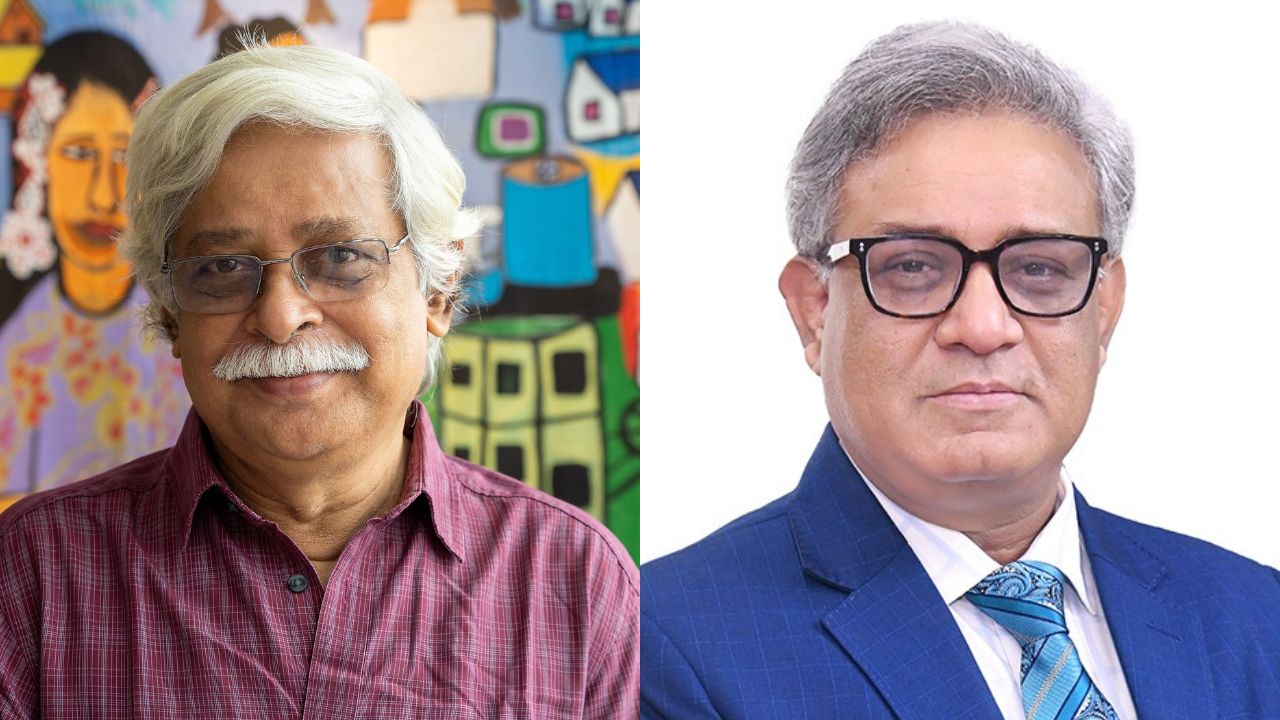
Although stationed in the Inspection and Statistics branch, he is attached to the Bangladesh Sramik Kalyan Foundation (Labour Welfare Foundation) and directed inquiries to the Foundation’s Director General, Md Munir Hossain Khan.
Khan initially promised to investigate the matter but failed to provide updates over the following month.


While he answered subsequent phone calls, he repeatedly claimed to be in meetings and ended the conversations without providing clarity.
Families Left in Hardship The lack of support has left many families in financial ruin.
Nadi Begum and Mominul Islam, a couple killed at the scene, left behind two children who are now being raised by their paternal grandparents, both aged over 80, in Islambag.
Md Ibrahim, Mominul’s cousin, said the ministry proactively called the families to collect their documents just two days after the blast.
“Since then, I have checked many times, but officials have tactfully avoided us,” he said, describing the process as a form of “harassment”. He further noted that other families he remains in contact with have also received nothing.
Murad Hossain, director of the Bangladesh Pipe and Tubewell Merchants Association, is currently supporting the widow and child of Munsur, a sanitary shop staff member killed in the blast. Munsur’s child, now in Class 6, relies on financial help from uncles.
Hossain, who has made numerous exhausted trips to the ministry, expressed suspicion that officials may have misappropriated the funds allocated for the workers.
‘Mentally dead’
For some, the struggle for compensation has been abandoned in favour of survival. Abdul Kuddus, brother of the deceased businessman Md Ismail, noted that Ismail was the sole breadwinner for his four children.
“Immediately received aid might have helped my sister-in-law, but we no longer expect anything from anyone,” Kuddus said, adding that the family is now trying to survive by holding onto Ismail’s business.
“We are mentally dead. The loss that has occurred can never be compensated,” he remarked.
Similarly, the families of cousins Abu Jafar Siddique Tareq and Awlad Hossain Musa have had no contact from any ministry since receiving Tk1 lakh from the DC office for burial costs.
The pair had travelled from Gazaria, Munshiganj, to buy materials for a house under construction.
Their relative, Rashedul Hasan, noted that while the families are currently supported by other siblings, they are demanding an official investigation into the missing 2 lakh Taka per family as a matter of public accountability.
Private charity filling the gap
In the absence of government aid, some have found relief through private networks. The widow of Obaidul Hasan Babul, a sanitary shop employee, received a two-room tin-shed house in her village in Manikganj.
The funds were raised by the shop owner and fellow employees who were disciples of the same “Peer” (spiritual leader), known as “Peer brothers.”
While the family remains unaware of the exact source of all the money, they continue to receive occasional private support, a stark contrast to the silence from the Ministry of Labour.