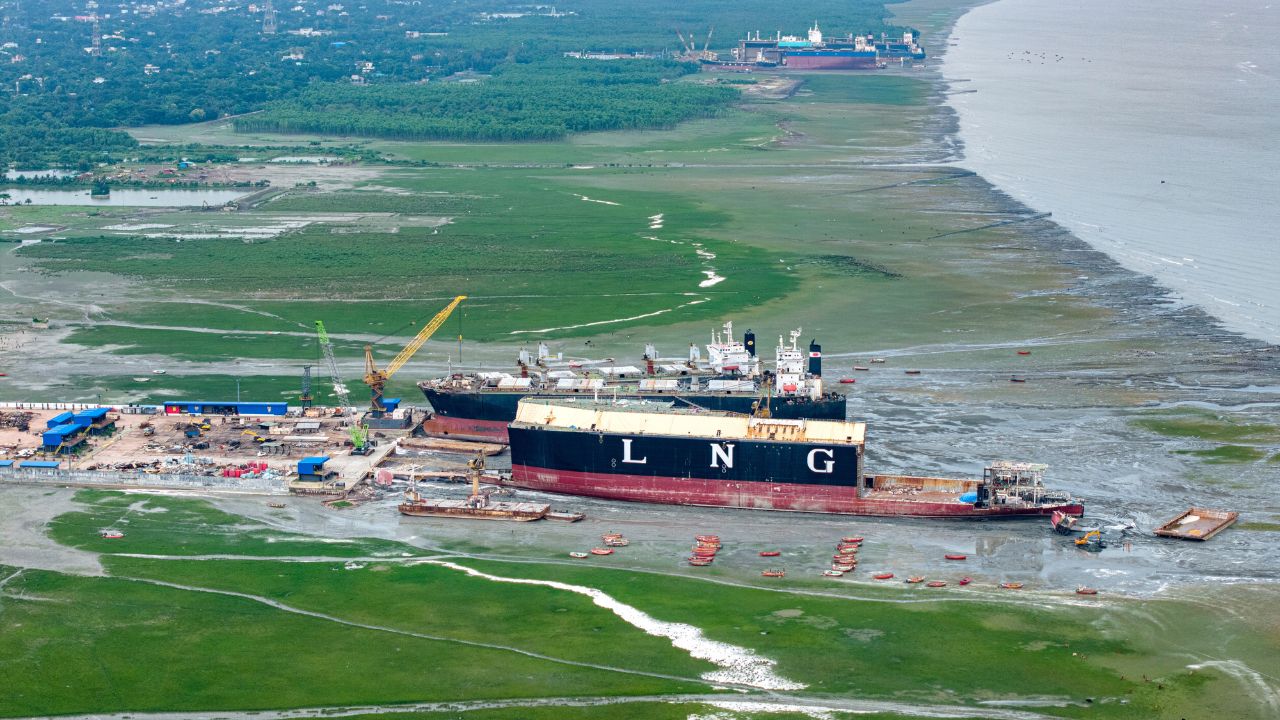

An industry that Europe, North America, and many other environmentally conscious nations moved away from their coastlines long ago remains one of the key pillars of Bangladesh’s economy.
Along the coast of Sitakunda in Chattogram, retired oceangoing vessels are dismantled every day, producing scrap steel, the country’s primary raw material for the construction industry.
While the sector provides livelihoods for thousands of people, it has also been associated with a long history of environmental pollution, worker safety concerns, and international criticism.
Today, however, the industry stands at a critical crossroads. Following the enforcement of the International Maritime Organization’s (IMO) Hong Kong Convention, Bangladesh is under increasing pressure to transition rapidly toward environmentally responsible “green ship recycling.”

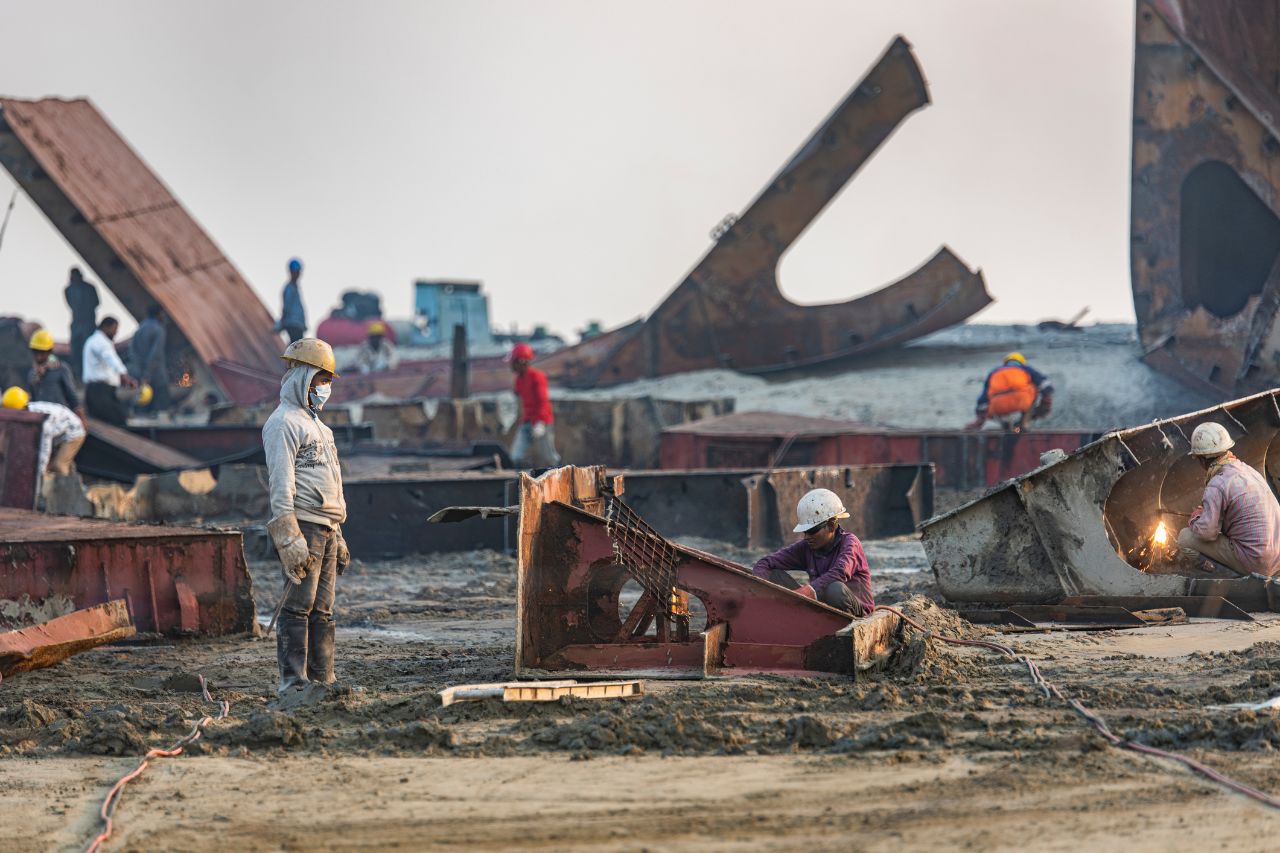
Yet this transformation comes at a significant cost. The key question is whether Bangladesh risks losing this strategic source of affordable steel while striving to protect the environment.
Regional competition is also intensifying. Ship recycling yards in Alang in India and Gadani in Pakistan are increasingly attracting global shipowners.




India now has more than 110 certified green recycling yards, while Bangladesh has only 27 facilities that meet international standards. As a result, many shipowners now view Bangladesh as a comparatively riskier destination for ship recycling.
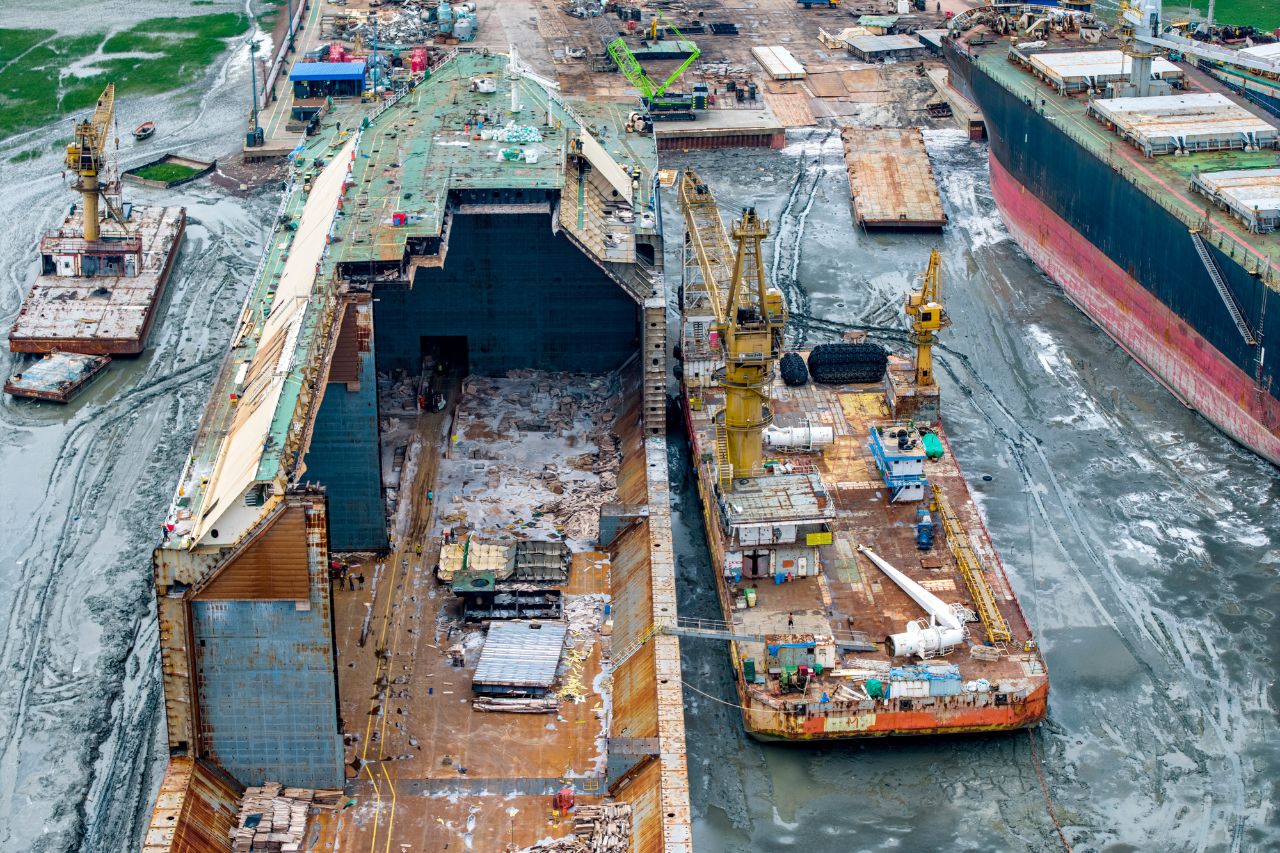
The industry is further burdened by lengthy administrative procedures. Obtaining permission to dismantle a ship can take up to two months. In contrast, yards in India and Pakistan offer faster approvals and are able to pay shipowners an additional $15–20 per tonne.
Consequently, Bangladesh recorded its lowest ship imports in two decades in 2025, with only 84 vessels arriving for recycling, a major warning sign for the sector.
Despite these challenges, the industry’s contribution to Bangladesh’s economy remains immense. Approximately 70–80 per cent of the scrap steel used by the country’s construction and housing sectors comes from ship recycling.
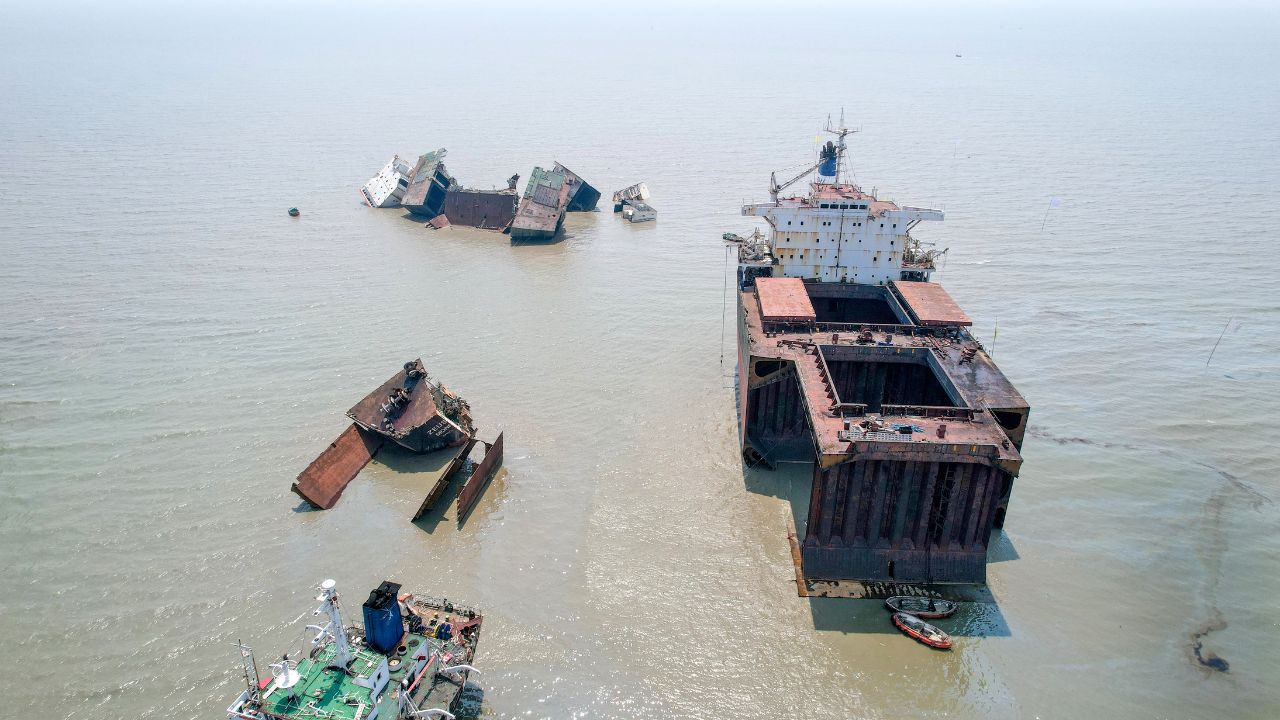
If this supply declines, domestic steel mills will be forced to import larger quantities of iron ore, placing additional pressure on the country’s foreign exchange reserves. At the same time, nearly 200,000 people depend on the industry, both directly and indirectly, for their livelihoods.
Behind this economic success, however, lies a difficult reality. For decades, the traditional beaching method of dismantling ships has released hazardous materials, including asbestos, lead, mercury, and oil into the sea and surrounding coastal areas.
These pollutants have harmed marine biodiversity, degraded the coastal environment, and posed serious health risks to workers. The industry that has built Bangladesh’s skyline has also left scars on its coastline and its people, scars that the country is now being asked to heal, at a cost it may struggle to afford.