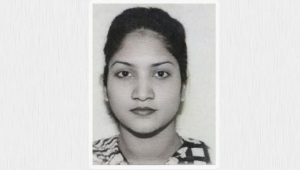


Since marriage, husband’s addiction and violence had become a constant shadow over Tania’s life. The abuse left marks not only on her body but also on the mind of her three-year-old child. Eventually, Tania decided to break free from the cycle of domestic violence. As a result, she was forced to take responsibility for her own livelihood.
“It’s been about two and a half to three months since I left my husband. My parents and siblings won’t take me back. After marriage, I became an outsider to them,” the woman in her thirties told TIMES of Bangladesh, breaking down in tears.
Now she works as a rickshaw puller in Dhaka’s Kadamtali area. She lives in a rented room with her three-year-old daughter. The rickshaw was given to her under the landlord’s custody.
Tania’s story is not an isolated one. Rather, it reflects a horrifying picture of violence against women and children in the country.
According to the latest human rights monitoring report by Human Rights Support Society (HRSS), at least 221 women and girls were victims of violence in October alone. Among them, at least 78 were raped, and 37 of those victims were under 18 years old.

In addition, 48 women were victims of sexual harassment, nine were gang-raped, and five were killed after being raped. Moreover, 49 women were killed due to domestic violence, 20 were injured, and 17 committed suicide.
The situation in September was not very different either. That month, at least 55 women were raped, 30 of them children or teenagers. Ten women were gang-raped, and one was killed after rape.




In total, 159 women faced different forms of violence in September. Among them, at least 20 were sexually harassed, 39 were killed due to domestic violence, and 23 committed suicide because of constant abuse and pressure. Two women were killed over dowry demands, and one was injured.
The figures for August were also almost the same. That month, 27 women were killed in domestic violence and 42 were raped. So, the statistics from the last three months show that violence against women and children is increasing. The rate has risen by almost one-third in just three months.
Experts say that this rise is linked to a culture of impunity, the patriarchal social system, and weak law enforcement. In many rural areas, rape or domestic violence cases are “settled” secretly through compromise. As a result, victims are denied justice. Society then blames the woman herself, labelling her as “dishonoured.”
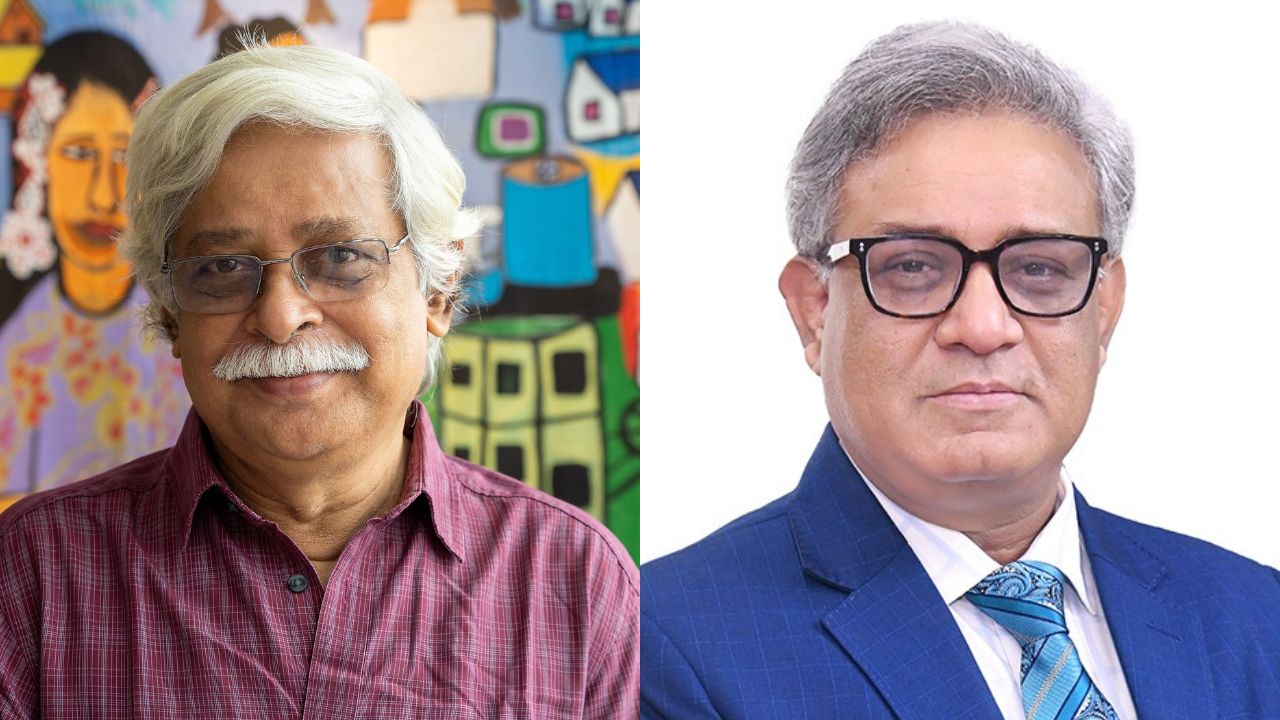
Supreme Court lawyer Jannatul Ferdus told TIMES, “The failure of the administration to stop rape and violence against women is now clear. In many cases, the authorities cannot ensure safety for victims. There is also a serious lack of proper and neutral investigations.”
Highlighting weaknesses in the justice system, she added, “Trials in rape cases take a very long time. Often the criminals do not get punished. This makes them fearless, and the crimes keep happening again and again.”
She also said, “Even after being raped, many women do not want to file complaints because of social shame, fear, or threats. This silence gives offenders more courage.”
Along with the weakness in the justice system, the social structure also plays a big role, said Samina Luthfa, a sociology professor at the University of Dhaka. She explained, “It is difficult to blame one single reason. This is a combined effect. When the law and order in the country gets worse, women and children become the first victims. Although the highest punishment for rape is the death penalty, slow judicial processes and lack of visible punishment send a message that one can commit such crimes and still escape.”
Speaking about why violence does not decrease even though women’s participation in education and employment has increased, she said, “Patriarchy accepts women’s progress only when it serves its own interest. Women can study, work, and earn money but they are not allowed to take part in decision-making. This structure does not let women become fully empowered.”
Expressing concern over the recent data, Umme Bushra Fateha Sultana, professor of women and gender studies department at the University of Dhaka, emphasised the need to change social attitudes to ensure women’s safety.
She said, “To ensure women’s safety, we first need to stop seeing them as ‘subordinate.’ The mindset of dominance over women must change. Through socialisation, education, and media representation, we need to build a culture of cooperation and tolerance.”